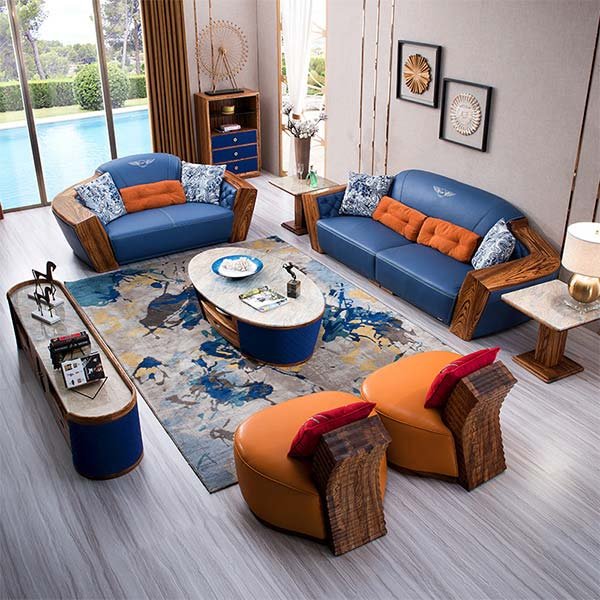
“Transform your space with the perfect sofa: Comfort, style, and quality combined.”
Choosing the Right Materials for Building a Sofa
When it comes to building a sofa, choosing the right materials is crucial. The materials you select will not only determine the overall look and feel of the sofa but also its durability and comfort. With so many options available, it can be overwhelming to make the right choice. In this article, we will guide you through the process of selecting the best materials for building a sofa.
First and foremost, let’s talk about the frame of the sofa. The frame is the backbone of any sofa, providing support and stability. When it comes to choosing the material for the frame, hardwood is the preferred option. Hardwoods like oak, maple, or beech are known for their strength and durability. They can withstand the weight and pressure exerted on the sofa over time. Avoid using softwoods like pine or plywood, as they may not provide the necessary support.
Moving on to the upholstery, the fabric you choose will greatly impact the overall look and feel of the sofa. There are numerous options available, ranging from natural fibers like cotton and linen to synthetic materials like polyester and microfiber. Natural fibers are known for their breathability and comfort, but they may be more prone to staining and wear. On the other hand, synthetic materials are often more durable and resistant to stains, making them a popular choice for families with children or pets.
In addition to the fabric, consider the color and pattern of the upholstery. Neutral colors like beige, gray, or cream are versatile and can easily blend with different interior styles. However, if you want to make a bold statement, opt for vibrant colors or patterns that reflect your personal style. Just keep in mind that trends may change, so choose a color or pattern that you will still love in the years to come.
Next, let’s talk about the cushioning. The cushions play a crucial role in providing comfort and support. When it comes to cushion filling, there are several options to consider. Foam cushions are popular for their firmness and ability to retain their shape. However, they may not be as comfortable as down-filled cushions, which offer a plush and luxurious feel. Another option is a combination of foam and down, providing the best of both worlds.
Lastly, don’t forget about the legs of the sofa. The legs not only provide support but also contribute to the overall aesthetic. Wooden legs are a classic choice, offering a timeless and elegant look. Metal legs, on the other hand, can give a more modern and sleek appearance. Consider the style of your sofa and the overall theme of your space when choosing the legs.
In conclusion, choosing the right materials for building a sofa is essential for creating a piece that is not only visually appealing but also comfortable and durable. From the frame to the upholstery, cushioning, and legs, each component plays a crucial role in the overall design. Take your time to research and consider different options, keeping in mind your personal preferences and the specific needs of your space. By selecting the right materials, you can create a sofa that will be enjoyed for years to come.
Step-by-Step Guide to Building a DIY Sofa
Building your own sofa may seem like a daunting task, but with the right tools and a step-by-step guide, it can be a rewarding and cost-effective project. In this article, we will provide you with a comprehensive guide on how to make a sofa from scratch.
First and foremost, gather all the necessary materials and tools before you begin. You will need a sturdy frame, foam or padding for the cushions, fabric for upholstery, a staple gun, screws, a drill, and a saw. Once you have everything ready, you can start building your DIY sofa.
Step 1: Begin by constructing the frame. Measure and cut the wood according to the desired dimensions of your sofa. Use a saw to make precise cuts and ensure that all the pieces fit together snugly. Secure the frame using screws and a drill, making sure it is sturdy and stable.
Step 2: Once the frame is complete, it’s time to add the cushions. Measure and cut the foam or padding to fit the dimensions of the seat and backrest. Place the foam on the frame and secure it with a staple gun. Make sure the cushions are firm and comfortable.
Step 3: Now it’s time to upholster your sofa. Choose a fabric that suits your style and complements your home decor. Measure and cut the fabric, leaving a few inches of excess on each side. Start by attaching the fabric to the bottom of the sofa using a staple gun. Pull the fabric tightly and staple it along the edges, working your way up to the top. Repeat this process for the backrest and armrests.
Step 4: To give your sofa a polished look, add decorative details such as piping or buttons. Piping can be made by cutting strips of fabric and folding them over a cord. Attach the piping to the edges of the cushions using a sewing machine or a strong adhesive. Buttons can be added by sewing them onto the fabric at regular intervals.
Step 5: Finally, give your sofa a finishing touch by adding legs or feet. You can purchase pre-made legs from a hardware store or make your own using wood or metal. Attach the legs to the bottom of the frame using screws or brackets, ensuring they are secure and level.
Congratulations! You have successfully built your own sofa. Now it’s time to sit back, relax, and enjoy the fruits of your labor. Remember, building a sofa from scratch requires time, patience, and attention to detail. Take your time and make sure each step is done correctly for the best results.
In conclusion, building a DIY sofa can be a rewarding and fulfilling project. By following this step-by-step guide, you can create a customized piece of furniture that fits your style and budget. Whether you are a seasoned DIY enthusiast or a beginner, with the right tools and materials, you can build a sofa that will be the centerpiece of your living room. So why not give it a try and embark on this exciting journey of furniture making?
Creative Upholstery Ideas for Customizing Your Sofa
Creative Upholstery Ideas for Customizing Your Sofa
When it comes to furnishing your living space, a sofa is often the centerpiece of the room. It not only provides a comfortable seating option but also adds style and personality to your home. While there are countless ready-made sofas available in the market, customizing your own sofa can be a rewarding and creative experience. One way to achieve this is by exploring various upholstery ideas that can transform a plain sofa into a unique and personalized piece of furniture.
One popular upholstery idea is to use patterned fabrics. Instead of opting for a solid-colored fabric, consider choosing a bold and eye-catching pattern that reflects your personal style. Whether it’s a floral print, geometric design, or even an abstract motif, a patterned fabric can instantly add visual interest to your sofa. Additionally, you can mix and match different patterns to create a more eclectic and vibrant look. Just be sure to choose patterns that complement each other and the overall aesthetic of your living space.
Another creative upholstery idea is to experiment with texture. Instead of sticking to traditional smooth fabrics, consider using materials with different textures, such as velvet, suede, or even faux fur. These textured fabrics not only add a luxurious and tactile element to your sofa but also create a visually interesting contrast when paired with other furniture pieces. For example, a velvet sofa can create a cozy and elegant atmosphere, while a faux fur upholstery can add a touch of whimsy and playfulness.
If you’re feeling particularly adventurous, you can even consider using unconventional materials for your sofa upholstery. For instance, repurposing old denim jeans or vintage tapestries can give your sofa a unique and eclectic look. Not only does this approach add character to your furniture, but it also promotes sustainability by reducing waste. Just make sure to properly prepare and treat these materials to ensure their durability and longevity.
In addition to fabric choices, you can also customize your sofa by adding decorative elements. One idea is to incorporate decorative trims or piping along the edges of your sofa. This small detail can make a big impact by adding a touch of elegance and sophistication. Furthermore, you can consider adding decorative buttons or tufting to create a more traditional and classic look. These details not only enhance the overall aesthetic of your sofa but also showcase your attention to detail and craftsmanship.
Lastly, don’t forget about the cushions! Customizing your sofa cushions can further elevate its style and comfort. Consider using different sizes and shapes of cushions to create a visually dynamic and inviting seating area. Additionally, you can experiment with different fillings, such as memory foam or down feathers, to achieve the desired level of comfort. By customizing your sofa cushions, you can create a cozy and inviting space that reflects your personal taste and preferences.
In conclusion, customizing your sofa through creative upholstery ideas is a fantastic way to add personality and style to your living space. Whether it’s using patterned fabrics, experimenting with textures, or incorporating decorative elements, there are countless ways to make your sofa truly unique. By taking the time to explore different upholstery options, you can create a sofa that not only provides comfort but also becomes a statement piece in your home. So, unleash your creativity and start customizing your sofa today!
Conclusion
To make a sofa, follow these steps:
1. Determine the desired size and style of the sofa.
2. Choose the appropriate materials, such as wood for the frame, foam for the cushions, and fabric for the upholstery.
3. Measure and cut the wood to create the frame, ensuring it is sturdy and properly supports the weight.
4. Assemble the frame using screws, nails, or other appropriate fasteners.
5. Attach the foam cushions to the frame, ensuring they are comfortable and properly aligned.
6. Cut and sew the fabric to create the upholstery, ensuring it fits snugly over the cushions and frame.
7. Attach the upholstery to the frame, using staples, glue, or other appropriate methods.
8. Add any additional features or accessories, such as armrests or decorative elements.
9. Inspect the sofa for any flaws or imperfections, making any necessary adjustments or repairs.
10. Test the sofa for comfort and durability before finalizing the construction.
In conclusion, making a sofa involves careful planning, precise measurements, and skilled craftsmanship to create a comfortable and aesthetically pleasing piece of furniture.