“Arrange your furniture with style and comfort in mind.”
Arranging Furniture for Conversation
Arranging furniture in a living room can be a daunting task, especially when you want to create a space that is conducive to conversation. The layout of your furniture plays a crucial role in how people interact with each other in the room. Here are some tips on how to arrange your living room furniture for optimal conversation flow.
First and foremost, consider the focal point of the room. This could be a fireplace, a television, or a large window with a beautiful view. Arrange your furniture around this focal point to create a cozy and inviting atmosphere. Place your sofa facing the focal point, with additional seating such as armchairs or loveseats arranged around it.
Next, consider the flow of traffic in the room. Make sure there is enough space between furniture pieces to allow for easy movement. Avoid placing furniture in a way that obstructs pathways or creates a cramped feeling. You want your guests to be able to move around the room comfortably without feeling like they are navigating an obstacle course.
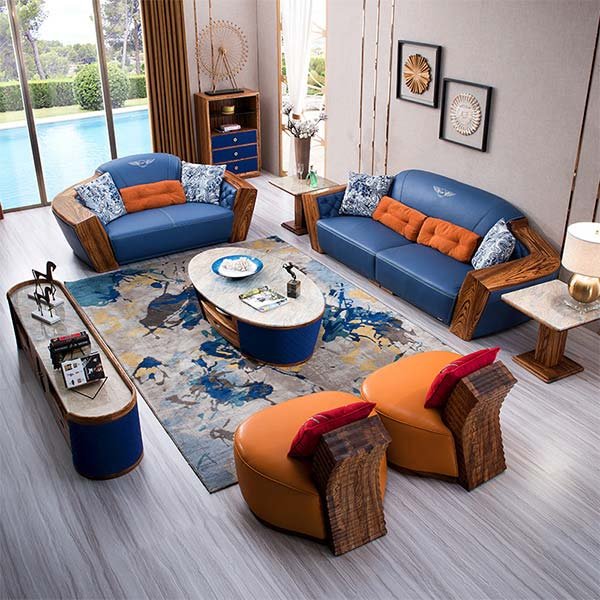
When arranging your furniture, think about creating intimate conversation areas. Group seating together in a way that encourages people to face each other and engage in conversation. Consider placing a coffee table or ottoman in the center of these seating arrangements to provide a surface for drinks or snacks.
If you have a large living room, consider dividing the space into multiple conversation areas. This can help create a more intimate and cozy atmosphere, especially when entertaining a larger group of people. Use area rugs or furniture placement to delineate these different conversation zones within the room.
Incorporate different types of seating in your living room to accommodate various preferences. Mix and match sofas, armchairs, and ottomans to create a dynamic and visually interesting space. Consider adding a few accent chairs or stools that can be easily moved around to accommodate different group sizes.
Don’t forget to consider the placement of lighting in your living room. Good lighting is essential for creating a warm and inviting atmosphere. Use a combination of overhead lighting, floor lamps, and table lamps to provide adequate illumination throughout the room. Consider adding dimmer switches to control the level of lighting based on the time of day or mood.
In conclusion, arranging furniture for conversation in your living room requires careful consideration of the focal point, traffic flow, seating arrangements, and lighting. By following these tips, you can create a space that is not only functional and comfortable but also conducive to meaningful interactions and engaging conversations. Take the time to experiment with different furniture layouts until you find the perfect arrangement that works for your space and lifestyle.
Maximizing Space with Multi-functional Pieces
When it comes to designing a living room layout, one of the key factors to consider is maximizing space with multi-functional pieces. In a small living room, every square inch counts, so it’s important to choose furniture that not only looks great but also serves multiple purposes.
One of the best ways to maximize space in a small living room is to choose furniture that can serve multiple functions. For example, a sofa bed is a great option for a small living room, as it can be used as both a seating area and a guest bed when needed. Another option is a coffee table with storage, which can help keep clutter at bay while also providing a place to store blankets, books, and other items.
In addition to multi-functional furniture, it’s also important to consider the layout of the room itself. When arranging furniture in a small living room, it’s important to keep traffic flow in mind. Make sure there is enough space between pieces of furniture to allow for easy movement around the room. Consider placing larger pieces of furniture against the walls to create a more open feel in the center of the room.
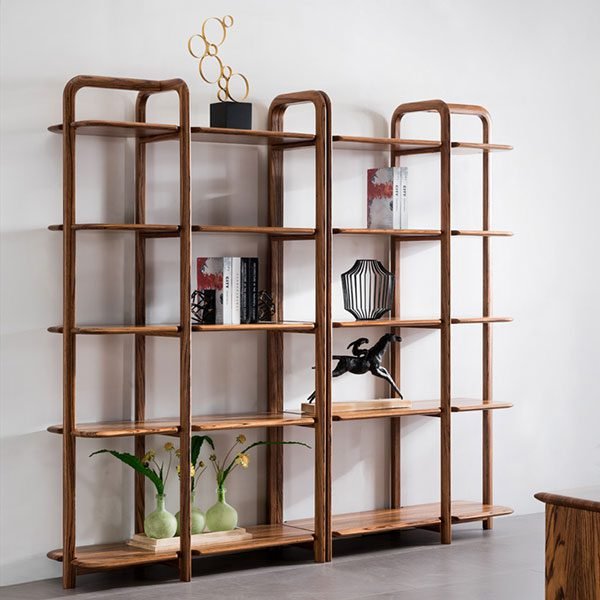
Another way to maximize space in a small living room is to choose furniture that is visually light and airy. Opt for pieces with slim profiles and open bases, which can help create the illusion of more space in the room. Avoid bulky furniture that can make the room feel cramped and cluttered.
When it comes to choosing colors and patterns for your furniture, opt for lighter shades and simple patterns. Light colors can help make a small living room feel more spacious, while simple patterns can help create a cohesive look without overwhelming the space. Consider using a neutral color palette with pops of color for added interest.
In addition to multi-functional furniture and thoughtful layout, don’t forget to consider the scale of your furniture. In a small living room, it’s important to choose pieces that are proportionate to the size of the room. Avoid oversized furniture that can overpower the space, and opt for smaller pieces that can fit comfortably in the room.
When it comes to maximizing space with multi-functional pieces in your living room, the key is to choose furniture that serves multiple purposes, consider the layout of the room, opt for visually light and airy pieces, choose light colors and simple patterns, and pay attention to the scale of your furniture. By following these tips, you can create a stylish and functional living room that makes the most of your space.
Creating a Focal Point with the Right Furniture Placement
When it comes to designing your living room, one of the most important aspects to consider is the layout of your furniture. The way you arrange your furniture can have a big impact on the overall look and feel of the room. One key element to keep in mind is creating a focal point with the right furniture placement.
One of the first things to consider when laying out your living room furniture is the focal point of the room. This could be a fireplace, a large window with a beautiful view, or a piece of artwork. Once you have identified the focal point, you can start arranging your furniture around it.
When arranging your furniture, it’s important to create a sense of balance in the room. This means distributing the weight of the furniture evenly throughout the space. For example, if you have a large sofa on one side of the room, you may want to balance it out with a couple of armchairs on the other side.
Another important factor to consider is the flow of traffic in the room. You want to make sure that there is enough space for people to move around comfortably without bumping into furniture. This may mean leaving a clear pathway from the entrance to the seating area, or ensuring that there is enough space between pieces of furniture for easy movement.
In addition to creating a focal point and ensuring a sense of balance and flow, it’s also important to consider the function of the room. Think about how you will be using the space on a day-to-day basis. If you like to entertain guests, you may want to create a seating area that encourages conversation. If you enjoy watching TV, you may want to arrange your furniture around the television.
When it comes to choosing the right furniture for your living room, there are a few key pieces to consider. A sofa is often the focal point of the room, so it’s important to choose one that is both stylish and comfortable. You may also want to consider adding a couple of armchairs, a coffee table, and perhaps a side table or two.
When arranging your furniture, it’s important to consider the scale of the pieces. You don’t want to overwhelm the room with oversized furniture, but you also don’t want to choose pieces that are too small and get lost in the space. It’s all about finding the right balance.
In conclusion, creating a focal point with the right furniture placement is key to designing a living room that is both functional and stylish. By considering the focal point of the room, creating a sense of balance and flow, and choosing the right pieces of furniture, you can create a space that is inviting and comfortable for both you and your guests.
Заключение
Разместите мебель так, чтобы создать удобное и функциональное пространство, учитывая размеры комнаты, естественное освещение и поток движения.