“Maximize space, minimize clutter – smart furniture layout for small living rooms.”
Utilizing Multi-Functional Furniture Pieces
When it comes to designing a small living room, one of the biggest challenges is figuring out how to layout furniture in a way that maximizes space and functionality. In a small space, every square inch counts, so it’s important to make smart choices when it comes to selecting and arranging furniture. One strategy that can be particularly effective in small living rooms is to utilize multi-functional furniture pieces.
Multi-functional furniture pieces are a great way to make the most of limited space in a small living room. These pieces are designed to serve more than one purpose, which can help you save space and create a more efficient layout. For example, a sofa bed can provide seating during the day and a place for guests to sleep at night. A coffee table with built-in storage can help you keep clutter at bay while also providing a place to set drinks and snacks.
Another option for multi-functional furniture in a small living room is a nesting table set. These tables can be stacked together when not in use, taking up minimal space, but can be easily separated and used as needed. This can be particularly useful when entertaining guests or when you need extra surface space for activities like working or eating.
When selecting multi-functional furniture pieces for your small living room, it’s important to consider both form and function. Look for pieces that are stylish and complement the overall design of the room, but also make sure they serve a practical purpose. For example, a stylish storage ottoman can provide extra seating while also offering a place to store blankets, pillows, or other items that tend to clutter up a small space.
In addition to selecting the right multi-functional furniture pieces, it’s also important to think about how to arrange them in a way that maximizes space and flow. One strategy is to create zones within the room, with each zone serving a specific function. For example, you could have a seating area with a sofa and chairs, a dining area with a small table and chairs, and a work area with a desk and chair.
When arranging furniture in a small living room, it’s important to leave enough space for people to move around comfortably. Avoid placing furniture too close together or blocking pathways, as this can make the room feel cramped and cluttered. Instead, try to create an open and airy feel by leaving some breathing room between pieces.
In conclusion, utilizing multi-functional furniture pieces is a smart and practical way to layout furniture in a small living room. By selecting pieces that serve more than one purpose and arranging them in a way that maximizes space and flow, you can create a stylish and functional living room that feels spacious and inviting. With a little creativity and planning, you can make the most of your small living room and create a space that works for you.
Creating Zones within the Space
When it comes to designing a small living room, one of the key challenges is figuring out how to layout furniture in a way that maximizes space and functionality. One effective strategy for making the most of a small living room is to create distinct zones within the space. By dividing the room into different areas for specific activities, you can make the room feel larger and more organized.
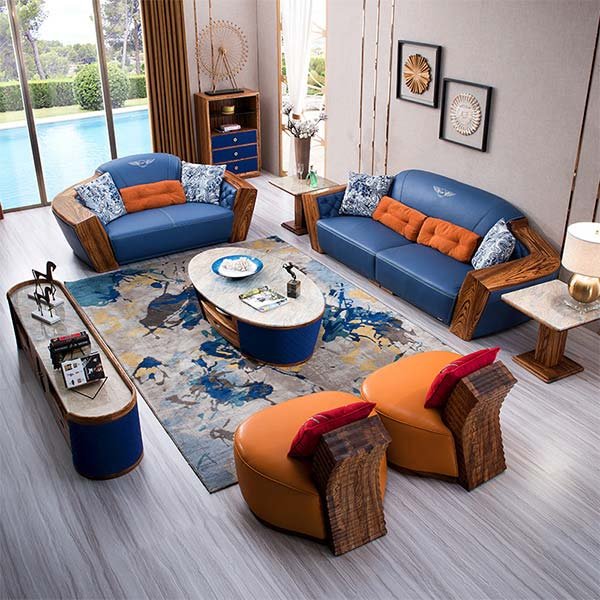
One way to create zones within a small living room is to use furniture to define different areas. For example, you could place a sofa and coffee table in one area to create a seating zone, while placing a small desk and chair in another area to create a workspace. By using furniture to visually separate different areas of the room, you can make the space feel more cohesive and organized.
Another way to create zones within a small living room is to use area rugs to define different areas. Placing a rug under a grouping of furniture can help to visually anchor that area and make it feel like a distinct zone within the room. You could use a large rug to define the seating area, and a smaller rug to define a reading nook or a workspace. By using rugs to delineate different areas of the room, you can create a sense of flow and organization within the space.
In addition to using furniture and rugs to create zones within a small living room, you can also use lighting to help define different areas. By using different types of lighting in each zone, you can create a sense of ambiance and functionality within the space. For example, you could use a pendant light over the dining table to create a cozy dining area, while using a floor lamp near the sofa to create a reading nook. By using lighting to highlight different areas of the room, you can make the space feel more dynamic and inviting.
When creating zones within a small living room, it’s important to consider the flow of traffic within the space. Make sure that there is enough space between each zone to allow for easy movement throughout the room. You may need to experiment with different furniture arrangements to find the best layout that allows for smooth traffic flow while still defining distinct zones within the space.
In conclusion, creating zones within a small living room is a great way to maximize space and functionality. By using furniture, rugs, and lighting to define different areas of the room, you can make the space feel larger and more organized. Consider the flow of traffic within the space when designing your layout, and don’t be afraid to experiment with different arrangements until you find the perfect setup for your small living room. With a little creativity and planning, you can create a stylish and functional living room that makes the most of your limited space.
Maximizing Vertical Space with Shelving and Wall-mounted Storage
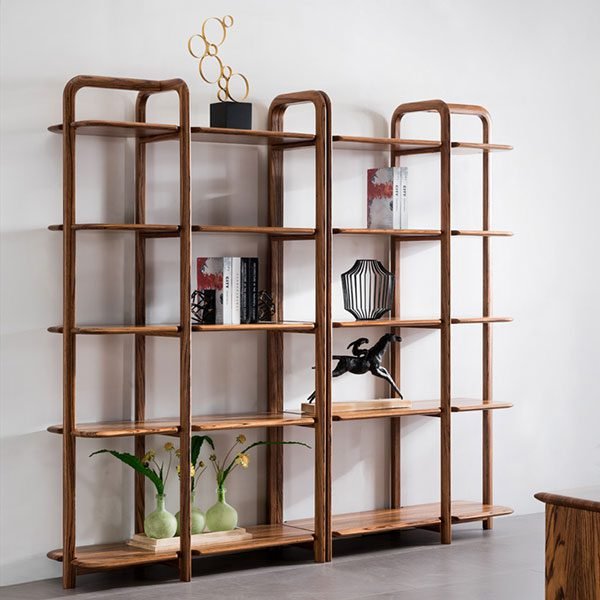
When it comes to designing a small living room, maximizing vertical space is key to creating a functional and visually appealing layout. One of the most effective ways to do this is by incorporating shelving and wall-mounted storage solutions. By utilizing the walls in your living room, you can free up valuable floor space and create a more open and airy feel in the room.
Shelving units are a versatile and practical option for small living rooms. They can be used to display decorative items, store books and magazines, or even act as a room divider to separate different areas of the space. When choosing shelving for your living room, consider the size and scale of the room, as well as the style of the furniture and decor. Opt for slim and streamlined shelves that won’t overwhelm the space, and choose a finish that complements the existing color scheme.
Wall-mounted storage solutions are another great way to maximize vertical space in a small living room. From floating shelves to wall-mounted cabinets, there are plenty of options to suit your needs and style preferences. Wall-mounted storage can be used to store items that would otherwise clutter up the room, such as DVDs, electronics, or even extra blankets and pillows. By keeping these items off the floor, you can create a more streamlined and organized look in your living room.
When arranging furniture in a small living room with shelving and wall-mounted storage, it’s important to consider the placement of each piece to ensure a cohesive and balanced layout. Start by positioning the largest pieces of furniture, such as the sofa and armchairs, against the walls to create a sense of openness in the center of the room. Then, add shelving units and wall-mounted storage above or beside these larger pieces to maximize vertical space.
To create a visually appealing arrangement, mix and match different types of shelving and storage solutions. For example, you could combine floating shelves with a wall-mounted cabinet to create a dynamic and interesting display. Consider incorporating decorative items, such as plants, artwork, or decorative objects, to add personality and style to the room. By layering different elements on the walls, you can create a visually interesting and functional layout that makes the most of the available space.
In conclusion, maximizing vertical space with shelving and wall-mounted storage is a smart and practical way to layout furniture in a small living room. By utilizing the walls in your living room, you can free up valuable floor space and create a more open and airy feel in the room. When arranging furniture in a small living room with shelving and wall-mounted storage, consider the placement of each piece to ensure a cohesive and balanced layout. Mix and match different types of shelving and storage solutions to create a visually appealing arrangement that makes the most of the available space. With a little creativity and planning, you can design a functional and stylish living room that feels spacious and inviting, no matter how small the space may be.
Conclusion
When laying out furniture in a small living room, it is important to consider the size and scale of the pieces, as well as the flow of the room. Opt for smaller, more streamlined furniture to maximize space and create a more open feel. Consider using multipurpose furniture, such as a sofa bed or storage ottoman, to make the most of limited space. Arrange furniture in a way that allows for easy movement and access to all areas of the room. Don’t overcrowd the space with too many pieces, and be sure to leave some breathing room around each item. By carefully planning and arranging your furniture, you can create a functional and stylish living room that feels spacious and inviting.