“Maximize space and style in your long living room with smart furniture arrangement!”
Utilize area rugs to define separate spaces
When it comes to arranging furniture in a long living room, one of the key strategies is to utilize area rugs to define separate spaces. Area rugs can help to visually divide the room into different zones, making it easier to create a cohesive and functional layout.
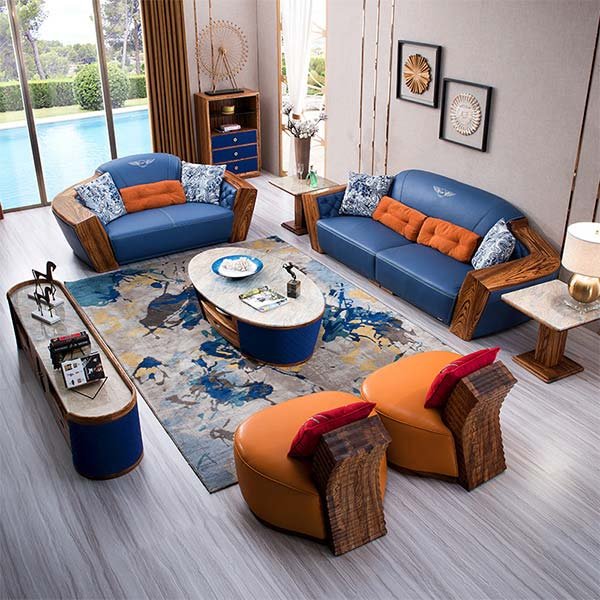
One way to use area rugs in a long living room is to place them under different groupings of furniture. For example, you could place a rug under the seating area to define that space as a cozy conversation area. This can help to anchor the furniture and create a sense of unity within the room.
Another option is to use area rugs to create a pathway through the room. By placing a rug along the length of the room, you can create a visual guide for how to navigate the space. This can help to break up the room and prevent it from feeling too long and narrow.
In addition to defining separate spaces, area rugs can also add color, texture, and warmth to a long living room. Choose rugs that complement the overall color scheme of the room and add visual interest. Consider mixing and matching different rugs to create a layered look that adds depth and dimension to the space.
When selecting area rugs for a long living room, be sure to consider the size and shape of the room. A rug that is too small can make the space feel disjointed, while a rug that is too large can overwhelm the room. Measure the dimensions of the room and choose rugs that are proportionate to the size of the space.
In conclusion, utilizing area rugs to define separate spaces in a long living room can help to create a cohesive and functional layout. By placing rugs under different groupings of furniture, creating pathways through the room, and adding color and texture, you can transform a long living room into a stylish and inviting space. Experiment with different rug placements and styles to find the perfect arrangement for your home.
Use tall bookshelves or cabinets to create visual interest and divide the room
When it comes to designing a long living room, one of the biggest challenges is figuring out how to layout the furniture in a way that maximizes the space and creates a cohesive look. One effective strategy is to use tall bookshelves or cabinets to create visual interest and divide the room.
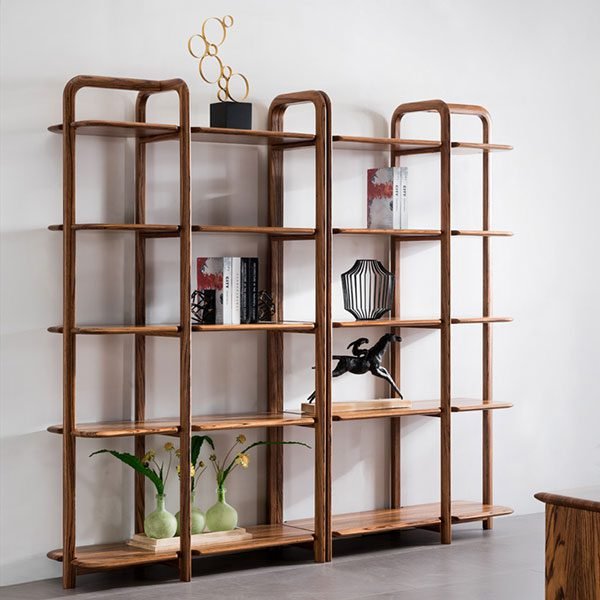
Tall bookshelves or cabinets can serve as both functional storage solutions and stylish room dividers. By placing them strategically in the room, you can create distinct zones for different activities, such as a seating area, a dining area, or a workspace. This helps to break up the long expanse of the room and make it feel more intimate and cozy.
In addition to dividing the room, tall bookshelves or cabinets can also add vertical interest to the space. By drawing the eye upward, they create the illusion of higher ceilings and make the room feel more spacious. This is especially important in a long living room, where the narrow width can sometimes make the space feel cramped.
When choosing tall bookshelves or cabinets for your long living room, consider the style and scale of the furniture. Opt for pieces that are proportionate to the size of the room and complement the existing decor. If you have high ceilings, you can go for taller bookshelves to make use of the vertical space. On the other hand, if your ceilings are lower, choose shorter cabinets that won’t overwhelm the room.
Another tip for using tall bookshelves or cabinets in a long living room is to mix and match different heights and widths to create visual interest. This can help to break up the monotony of a long, straight wall and add depth and dimension to the room. You can also use the shelves to display decorative items, such as books, plants, or artwork, to add personality and charm to the space.
In addition to using tall bookshelves or cabinets, you can also consider other furniture placement strategies to maximize the space in a long living room. For example, you can use area rugs to define different areas within the room and create a sense of coziness. Placing furniture at an angle can also help to break up the linear layout of the room and make it feel more dynamic.
Overall, when it comes to layout furniture in a long living room, using tall bookshelves or cabinets can be a great way to create visual interest, divide the space, and make the room feel more cohesive. By following these tips and getting creative with your furniture placement, you can design a long living room that is both functional and stylish.
Arrange furniture in a diagonal layout to maximize space and flow
Arranging furniture in a long living room can be a challenging task, as it requires careful consideration of both space and flow. One effective way to make the most of a long living room is to arrange the furniture in a diagonal layout. This layout not only maximizes space but also creates a sense of flow and movement in the room.
When arranging furniture in a diagonal layout, start by placing the largest piece of furniture, such as a sofa or sectional, at an angle in one corner of the room. This will serve as the focal point of the room and anchor the rest of the furniture arrangement. Next, place additional seating, such as armchairs or loveseats, at an angle facing the focal point. This will create a cozy and inviting seating area that encourages conversation and interaction.
To further enhance the diagonal layout, consider adding a coffee table or ottoman in the center of the seating arrangement. This will not only provide a place to set drinks or snacks but also help to visually connect the different pieces of furniture in the room. Additionally, consider adding a rug underneath the seating area to define the space and add warmth and texture to the room.
Incorporating other pieces of furniture, such as bookcases, side tables, or a console table, can help to balance the room and provide additional storage and functionality. Place these pieces at an angle or perpendicular to the seating area to create visual interest and break up the long lines of the room. Be sure to leave enough space between furniture pieces to allow for easy movement and flow throughout the room.
When arranging furniture in a diagonal layout, it’s important to consider the overall scale and proportion of the room. Avoid overcrowding the space with too much furniture, as this can make the room feel cramped and cluttered. Instead, focus on creating a balanced and harmonious arrangement that allows for comfortable seating and easy circulation.
In addition to furniture placement, consider the use of lighting to enhance the diagonal layout. Incorporate a mix of overhead lighting, such as ceiling fixtures or recessed lights, with task lighting, such as table lamps or floor lamps, to create a warm and inviting atmosphere. Consider adding a statement chandelier or pendant light above the seating area to draw the eye upward and add visual interest to the room.
Overall, arranging furniture in a diagonal layout in a long living room can help to maximize space and flow while creating a stylish and functional living space. By carefully considering the placement of furniture, incorporating a mix of seating and storage options, and adding lighting to enhance the layout, you can create a room that is both inviting and practical for everyday living.
Заключение
Разместите мебель вдоль стен, чтобы создать уютные уголки и области отдыха. Используйте ковры и столики, чтобы разделить пространство на функциональные зоны. Важно учитывать размеры комнаты и расположение окон и дверей при планировании расстановки мебели.