“Arrange with care, create a space that’s fair.”
Arranging Furniture for Conversation
Arranging furniture in a living room can be a daunting task, but with the right approach, you can create a space that is both functional and aesthetically pleasing. One important aspect to consider when laying out furniture in a living room is creating a space that is conducive to conversation.
When arranging furniture for conversation, it is important to consider the flow of the room. Start by placing the largest piece of furniture, such as a sofa or sectional, in a central location. This will serve as the anchor for the rest of the furniture in the room. Position additional seating, such as armchairs or loveseats, around the central piece to create a cozy and inviting seating area.
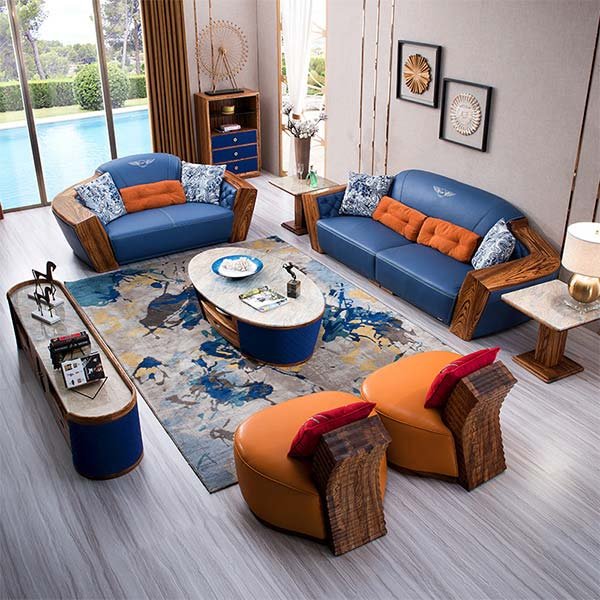
To encourage conversation, make sure that the seating is arranged in a way that allows for easy interaction. Avoid placing furniture too far apart, as this can create a sense of distance between people. Instead, aim to create a layout that promotes intimacy and encourages conversation. Consider placing seating in a circular or semi-circular arrangement to facilitate easy communication.
In addition to the layout of the furniture, consider the placement of other elements in the room, such as coffee tables and side tables. These pieces can help to create a cohesive and functional space for conversation. Place coffee tables within easy reach of seating areas to provide a convenient surface for drinks and snacks. Side tables can also be placed strategically to provide additional surface space for guests.
When arranging furniture for conversation, it is important to consider the overall flow of the room. Make sure that there is enough space between furniture pieces to allow for easy movement throughout the room. Avoid blocking pathways or creating obstacles that can impede the flow of conversation.
In addition to the layout of the furniture, consider the use of lighting to create a warm and inviting atmosphere. Soft, ambient lighting can help to create a cozy and intimate space for conversation. Consider using a combination of overhead lighting, floor lamps, and table lamps to create a layered lighting scheme that enhances the overall ambiance of the room.
When arranging furniture for conversation, it is important to consider the needs and preferences of the people who will be using the space. Take into account the number of people who will be using the room regularly, as well as their seating preferences. Consider incorporating a variety of seating options, such as sofas, armchairs, and ottomans, to accommodate different preferences and needs.
Overall, arranging furniture for conversation in a living room requires careful consideration of the layout, flow, and functionality of the space. By creating a layout that promotes intimacy and encourages interaction, you can create a warm and inviting space that is perfect for entertaining guests or simply relaxing with family. With the right approach, you can create a living room that is both stylish and functional, and that promotes meaningful conversation and connection.
Maximizing Space with Multifunctional Pieces
When it comes to designing a living room, one of the key factors to consider is how to maximize the space with multifunctional pieces of furniture. This is especially important in smaller living rooms where every square inch counts. By strategically placing furniture and choosing pieces that serve multiple purposes, you can create a functional and stylish living room that meets all of your needs.
One of the best ways to maximize space in a living room is to choose furniture that serves multiple functions. For example, a sofa bed can provide seating during the day and a comfortable place for guests to sleep at night. This is a great option for those who frequently have overnight guests but don’t have a dedicated guest room. Another multifunctional piece to consider is a coffee table with storage. This type of coffee table not only provides a place to set drinks and snacks, but also offers hidden storage for books, magazines, and other items.
In addition to choosing multifunctional pieces of furniture, it’s important to carefully consider the layout of the room. When arranging furniture in a small living room, it’s important to create a sense of balance and flow. Start by placing the largest piece of furniture, such as a sofa or sectional, against a wall to maximize space in the center of the room. From there, add additional seating, such as armchairs or ottomans, in a way that allows for easy conversation and movement throughout the room.
To further maximize space in a living room, consider using furniture that can be easily moved or rearranged. For example, a set of nesting tables can be pulled apart and used as individual side tables when needed, or pushed together to create a larger coffee table. Similarly, lightweight chairs or ottomans can be easily moved around the room to accommodate different seating arrangements or activities.
When it comes to choosing colors and patterns for furniture in a small living room, it’s important to keep things light and neutral. Light colors can help to create the illusion of more space, while bold patterns can overwhelm a small room. Consider using a mix of textures and materials to add visual interest without making the room feel cluttered.
In conclusion, maximizing space in a living room with multifunctional pieces of furniture is essential for creating a functional and stylish space. By choosing furniture that serves multiple purposes, carefully arranging the layout of the room, and using pieces that can be easily moved or rearranged, you can make the most of your living room, no matter its size. Remember to keep colors and patterns light and neutral to create a sense of openness and avoid overwhelming the space. With these tips in mind, you can create a living room that is both practical and beautiful.
Creating a Focal Point with Statement Furniture
When it comes to designing a living room, one of the key elements to consider is how to layout the furniture in a way that is both functional and visually appealing. One effective way to create a cohesive and inviting space is by creating a focal point with statement furniture.
Statement furniture refers to pieces that are bold, eye-catching, and serve as the focal point of a room. This could be a large sofa, a unique coffee table, a striking accent chair, or even a beautiful piece of artwork. By choosing one or two statement pieces, you can anchor the room and build the rest of the furniture layout around them.
When selecting statement furniture, it’s important to consider the scale of the piece in relation to the size of the room. A large, oversized sofa may overwhelm a small living room, while a tiny accent chair may get lost in a large, open space. Take measurements of your room and the furniture you are considering to ensure a proper fit.
Once you have chosen your statement pieces, it’s time to arrange the rest of the furniture around them. Start by placing the largest piece of furniture, such as a sofa or sectional, facing the focal point. This will create a sense of balance and symmetry in the room.
Next, add additional seating options, such as accent chairs or ottomans, to create a conversation area around the focal point. Make sure there is enough space between each piece of furniture for easy movement and flow.
Consider the traffic flow in the room when arranging the furniture. Make sure there is a clear path from the entrance to the seating area and that there is enough space to move around comfortably. Avoid blocking doorways or windows with furniture, as this can make the room feel cramped and cluttered.
Incorporate functional pieces, such as a coffee table or side tables, to provide surfaces for drinks, books, and other items. These pieces can also help to tie the room together and add a sense of cohesion to the space.
Finally, don’t forget to add personal touches and accessories to complete the look of the room. Consider adding throw pillows, blankets, rugs, and artwork to add texture, color, and personality to the space. These finishing touches can help to make the room feel warm and inviting.
In conclusion, creating a focal point with statement furniture is a great way to design a living room that is both functional and visually appealing. By choosing bold, eye-catching pieces and arranging the furniture around them thoughtfully, you can create a space that is both stylish and comfortable. Remember to consider scale, traffic flow, and personal touches when designing your living room layout, and you’ll be sure to create a space that you love spending time in.
Заключение
Arrange furniture in a living room by creating a focal point, considering traffic flow, balancing the room with different sized pieces, and leaving enough space for movement.