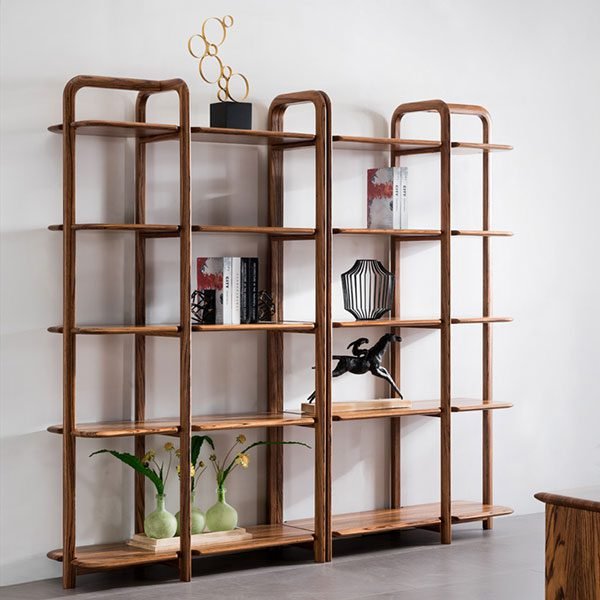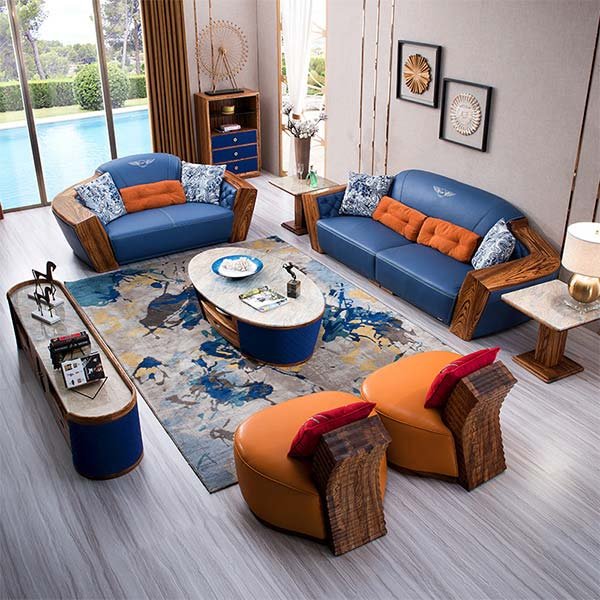
“Seamlessly blend style and comfort with OEM Living Room Furniture in your transitional space.”
Mixing modern and traditional elements in your transitional living room with OEM furniture
Mixing modern and traditional elements in your transitional living room with OEM furniture can create a unique and stylish space. OEM living room furniture offers a wide range of options that can seamlessly blend with both modern and traditional design aesthetics. In this article, we will explore some tips and ideas on how to incorporate OEM living room furniture into a transitional space.
One way to mix modern and traditional elements is by choosing a neutral color palette for your furniture. Neutral colors such as beige, gray, or cream can create a cohesive look that allows both modern and traditional pieces to shine. Consider selecting an OEM sofa in a neutral color and pairing it with a traditional coffee table or side table. This combination will create a balanced and harmonious look in your living room.
Another way to incorporate OEM living room furniture into a transitional space is by mixing different textures. For example, you can pair a sleek and modern OEM armchair with a traditional wooden side table. The contrast between the smooth lines of the chair and the warmth of the wood will add visual interest to your living room. Additionally, consider adding textured throw pillows or a cozy rug to further enhance the mix of textures in the space.
When it comes to choosing accessories for your transitional living room, opt for pieces that bridge the gap between modern and traditional styles. For instance, you can hang a contemporary artwork above a traditional OEM fireplace. This juxtaposition of styles will create a visually appealing focal point in your living room. Similarly, you can display modern decorative objects on a vintage OEM console table to add a touch of modernity to the space.
Lighting plays a crucial role in any living room design. To create a transitional look, consider incorporating both modern and traditional lighting fixtures. For example, you can hang a sleek pendant light above a traditional OEM dining table. This combination will add depth and dimension to your living room while maintaining a cohesive design. Additionally, consider adding table lamps with modern or traditional designs to create ambient lighting in different areas of the room.
Lastly, don’t forget about the importance of proper furniture placement in a transitional living room. Arrange your OEM furniture in a way that creates a comfortable and inviting seating area. Consider placing a modern OEM sofa facing a traditional fireplace, with a pair of armchairs on either side. This arrangement will create a balanced and visually pleasing layout in your living room.
In conclusion, incorporating OEM living room furniture into a transitional space is all about finding the right balance between modern and traditional elements. By choosing a neutral color palette, mixing textures, selecting accessories that bridge the gap between styles, incorporating both modern and traditional lighting fixtures, and arranging your furniture thoughtfully, you can create a stylish and harmonious living room that seamlessly blends different design aesthetics. So go ahead and experiment with mixing modern and traditional elements in your transitional living room with OEM furniture to create a space that reflects your unique style and personality.
Creating a cohesive color palette with OEM living room furniture in a transitional space
Creating a cohesive color palette with OEM living room furniture in a transitional space can be a challenging task. However, with careful planning and attention to detail, it is possible to seamlessly incorporate these pieces into your home. In this article, we will explore some tips and tricks to help you achieve a harmonious and stylish look.
One of the first steps in creating a cohesive color palette is to choose a neutral base color. This will serve as the foundation for the rest of your design. Opt for shades of white, beige, or gray, as these colors are versatile and can easily be paired with any other hue. Additionally, neutral colors create a sense of calm and balance in a space.
Once you have chosen your base color, it’s time to select accent colors that will complement your OEM living room furniture. Consider the colors and patterns already present in your furniture pieces and use them as inspiration. For example, if your furniture features a bold floral pattern, you could choose a soft pastel color from the pattern to use as an accent color.
When incorporating accent colors, it’s important to strike a balance between bold and subtle. Too many bold colors can overwhelm a space, while too many subtle colors can make it feel dull. Aim for a mix of both to create visual interest and depth. For example, if your base color is white, you could incorporate pops of vibrant red or blue through throw pillows, artwork, or rugs.
Another important aspect to consider when creating a cohesive color palette is the lighting in your space. Natural light can greatly affect the way colors appear, so it’s important to take this into account. If your living room receives a lot of natural light, you may want to opt for lighter shades to prevent the space from feeling too bright. On the other hand, if your space lacks natural light, you can use warmer tones to create a cozy and inviting atmosphere.
In addition to color, texture is also an important element to consider when incorporating OEM living room furniture into a transitional space. Mixing different textures can add visual interest and create a layered look. For example, you could pair a smooth leather sofa with a plush velvet armchair or a sleek glass coffee table with a rustic wooden side table.
To tie everything together, consider using transitional pieces that bridge the gap between traditional and contemporary styles. These pieces can help create a seamless transition between your OEM living room furniture and the rest of your space. For example, you could choose a modern rug with a traditional pattern or a sleek metal lamp with a classic silhouette.
In conclusion, creating a cohesive color palette with OEM living room furniture in a transitional space requires careful consideration of base colors, accent colors, lighting, and texture. By following these tips and tricks, you can achieve a harmonious and stylish look that seamlessly incorporates your OEM furniture into your home. Remember to strike a balance between bold and subtle colors, mix different textures, and use transitional pieces to tie everything together. With a little planning and attention to detail, you can create a beautiful and inviting space that reflects your personal style.
Incorporating different textures and materials with OEM furniture for a balanced transitional look
Incorporating different textures and materials with OEM furniture for a balanced transitional look
When it comes to designing a transitional space, one of the key elements is finding the right balance between different textures and materials. This is especially important when incorporating OEM living room furniture into the mix. By carefully selecting and combining various textures and materials, you can create a cohesive and visually appealing space that seamlessly blends the old with the new.
One way to achieve this balance is by mixing and matching different types of upholstery. For example, you can pair a leather sofa with a fabric armchair or vice versa. This combination not only adds visual interest but also creates a sense of depth and dimension in the room. Additionally, consider incorporating different patterns and prints to further enhance the transitional look. For instance, you can choose a striped rug to complement a solid-colored sofa or opt for floral throw pillows to add a touch of femininity to a masculine leather armchair.
Another way to incorporate different textures and materials is by using a variety of finishes. For instance, if you have an OEM wooden coffee table, you can pair it with a metal side table or a glass console table. This combination of different finishes adds visual contrast and creates a more dynamic and interesting space. Additionally, consider incorporating accessories and decor items made from different materials, such as ceramic vases, woven baskets, or metallic sculptures. These small details can make a big difference in the overall look and feel of the room.
When it comes to incorporating different textures and materials, it’s important to consider the overall color palette of the space. While it’s perfectly fine to mix and match different colors, it’s essential to ensure that they complement each other and create a harmonious look. For example, if you have a neutral-colored sofa, you can add pops of color through accent pillows or a vibrant area rug. Alternatively, if you have a bold-colored armchair, you can balance it out with more subdued accessories and decor items. The key is to create a cohesive and balanced color scheme that ties everything together.
In addition to mixing and matching different textures and materials, it’s also important to consider the scale and proportion of the furniture pieces. A transitional space should have a sense of balance and harmony, so make sure that the furniture pieces you choose are appropriately sized for the room. For example, if you have a large sectional sofa, pair it with a substantial coffee table and accent chairs. On the other hand, if you have a smaller space, opt for more compact furniture pieces that won’t overwhelm the room.
In conclusion, incorporating different textures and materials with OEM living room furniture is a great way to create a balanced transitional look. By mixing and matching upholstery, finishes, and colors, you can create a visually appealing space that seamlessly blends the old with the new. Additionally, paying attention to scale and proportion ensures that the furniture pieces fit harmoniously within the room. So, go ahead and experiment with different textures and materials to create a transitional space that is both stylish and inviting.
Заключение
Заключение: Чтобы успешно интегрировать мебель для гостиной от производителя в переходное пространство, следует учитывать несколько факторов. Во-первых, выберите мебель, которая сочетает в себе элементы современного и классического стиля, чтобы она гармонично вписывалась в общий дизайн помещения. Во-вторых, обратите внимание на цветовую гамму и отделку мебели, чтобы она соответствовала остальным элементам интерьера. В-третьих, учтите размеры и форму мебели, чтобы она не создавала перегруженности или дисбаланса в пространстве. Наконец, не забывайте о функциональности мебели и ее соответствии вашим потребностям. Следуя этим рекомендациям, вы сможете успешно внедрить мебель от производителя в переходное пространство и создать гармоничный и стильный интерьер.