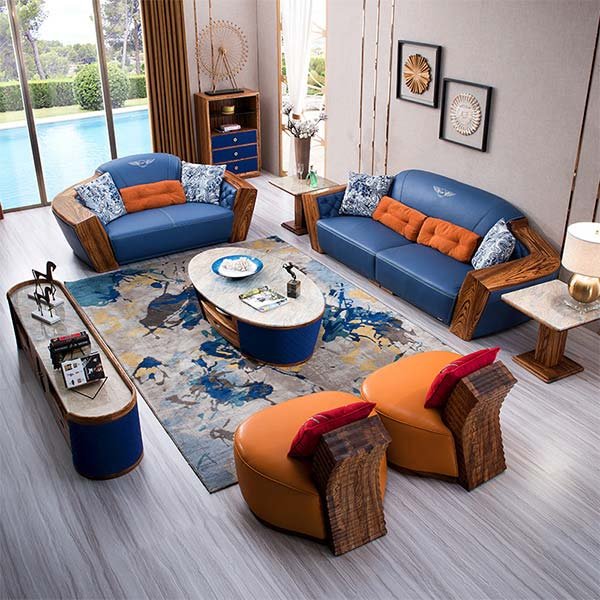
“Unlock your creativity with how to draw a sofa!”
Choosing the right materials
When it comes to drawing a sofa, choosing the right materials is crucial to achieving a realistic and detailed result. The materials you use will greatly impact the overall look and feel of your drawing, so it’s important to select them carefully.
One of the most important materials to consider when drawing a sofa is the type of paper you will be using. The paper you choose should be of good quality and able to withstand the pressure of drawing and erasing. A smooth, heavyweight paper is ideal for creating detailed and precise drawings, while a textured paper can add depth and dimension to your artwork.
In addition to paper, you will also need a variety of drawing tools to create a realistic sofa. Pencils are essential for sketching out the basic shape and details of the sofa, while colored pencils can be used to add depth and shading. A set of fine-tipped markers or pens can help you add intricate details and textures to your drawing.
When selecting colors for your sofa drawing, consider the overall color scheme of the room where the sofa will be placed. Choose colors that complement the existing decor and create a cohesive look. Experiment with different shades and tones to add depth and dimension to your drawing.
Another important material to consider when drawing a sofa is reference images. Look for photos of sofas from different angles and perspectives to help you accurately capture the shape and details of the sofa. Pay attention to the proportions, textures, and patterns of the sofa in the reference images to ensure your drawing looks realistic.
As you work on your sofa drawing, don’t be afraid to experiment with different materials and techniques. Try using different types of paper, pencils, and colors to see which combination works best for you. Practice drawing different textures and patterns to add interest and realism to your artwork.
In conclusion, choosing the right materials is essential when drawing a sofa. By selecting high-quality paper, a variety of drawing tools, and reference images, you can create a realistic and detailed drawing that captures the beauty of a sofa. Experiment with different materials and techniques to find what works best for you, and don’t be afraid to let your creativity shine through in your artwork. With the right materials and practice, you can create a stunning sofa drawing that will impress and inspire others.
Sketching the basic shape
Drawing a sofa may seem like a daunting task, but with the right techniques, anyone can create a realistic and detailed representation of this common piece of furniture. In this article, we will guide you through the process of sketching the basic shape of a sofa, starting from the initial outline to adding details and textures.
To begin, it is important to have a clear image of the type of sofa you want to draw. Whether it is a modern sectional sofa or a classic chesterfield, having a reference image or a physical model in front of you can greatly aid in capturing the proportions and details accurately.
Start by sketching the basic shape of the sofa using simple geometric forms. Use light, quick strokes to outline the overall silhouette of the sofa, focusing on the main components such as the backrest, seat cushions, and armrests. Pay attention to the angles and curves of the sofa, as they will determine the overall look and feel of your drawing.
As you progress, gradually refine the shape of the sofa by adding more details and defining the contours. Pay close attention to the proportions of the different parts of the sofa, making sure that they are in harmony with each other. Use a ruler or a straight edge to create clean, straight lines for the edges of the sofa, and use freehand drawing for the curves and contours.
Once you are satisfied with the basic shape of the sofa, you can start adding details such as buttons, seams, and decorative elements. These details will help bring your drawing to life and make it more realistic. Take your time to carefully observe the reference image or model, and replicate the details as accurately as possible.
To add depth and dimension to your drawing, consider shading and highlighting different areas of the sofa. Use a light source to determine where the shadows fall, and use a combination of hatching and cross-hatching techniques to create a sense of volume and texture. Pay attention to the direction of the light source and adjust the shading accordingly to create a realistic effect.
Finally, don’t be afraid to experiment with different styles and techniques to make your drawing unique and interesting. Whether you prefer a more realistic approach or a stylized interpretation, the key is to practice regularly and continue to refine your skills.
In conclusion, drawing a sofa requires patience, attention to detail, and practice. By following these steps and techniques, you can create a beautiful and realistic representation of this essential piece of furniture. Remember to start with the basic shape, add details and textures, and experiment with shading and highlighting to bring your drawing to life. With time and dedication, you can master the art of drawing a sofa and create stunning illustrations that showcase your talent and creativity.
Adding details and textures
When it comes to drawing a sofa, adding details and textures can really bring your artwork to life. Whether you’re sketching a simple line drawing or creating a more detailed illustration, paying attention to the small details can make a big difference in the overall look of your drawing.
One of the first things to consider when adding details to your sofa drawing is the shape and structure of the sofa itself. Pay close attention to the curves and angles of the sofa, as well as any decorative elements such as buttons or trim. These details can help give your drawing a more realistic and three-dimensional look.
Next, consider adding texture to your sofa drawing. Texture can help convey the feel of the fabric or material that the sofa is made from. For example, if you’re drawing a leather sofa, you may want to add subtle shading and highlights to create the look of a smooth, shiny surface. If you’re drawing a fabric sofa, you may want to add lines or cross-hatching to create the look of a soft, textured material.
When adding texture to your sofa drawing, it’s important to pay attention to the direction of your lines and shading. For example, if you’re drawing a fabric sofa, you may want to add lines that follow the contours of the sofa to create a sense of depth and dimension. Similarly, if you’re drawing a leather sofa, you may want to add shading that follows the natural highlights and shadows of the material.
Another important detail to consider when drawing a sofa is the placement of the sofa within the room. Adding details such as throw pillows, blankets, or other decorative elements can help create a sense of space and atmosphere in your drawing. Pay attention to the scale and proportion of these elements to ensure that they fit seamlessly into the overall composition of your artwork.
As you add details and textures to your sofa drawing, don’t be afraid to experiment with different techniques and styles. Try using different drawing tools such as pencils, markers, or digital brushes to create different effects and textures. You may also want to experiment with different shading techniques such as stippling, cross-hatching, or blending to create the desired look for your sofa drawing.
In conclusion, adding details and textures to your sofa drawing can help elevate your artwork and bring it to life. By paying attention to the shape, structure, texture, and placement of the sofa within the room, you can create a realistic and visually appealing drawing that captures the essence of this essential piece of furniture. Experiment with different techniques and styles to find what works best for you, and don’t be afraid to let your creativity shine through in your artwork.
Заключение
Для того чтобы нарисовать диван, нужно начать с контуров основной формы, затем добавить детали, такие как подушки, ножки и узоры. Важно уделить внимание пропорциям и перспективе, чтобы создать реалистичный вид.