“Create separate zones with strategic furniture placement.”
Sectional sofa
When it comes to dividing a large living room with furniture, a sectional sofa can be a great option. Sectional sofas are versatile pieces of furniture that can help create separate zones within a room while still maintaining an open and spacious feel.
One of the main benefits of using a sectional sofa to divide a large living room is that it can provide ample seating for multiple people. This is especially useful if you frequently entertain guests or have a large family. By placing a sectional sofa in the center of the room, you can create a natural gathering space that encourages conversation and interaction.
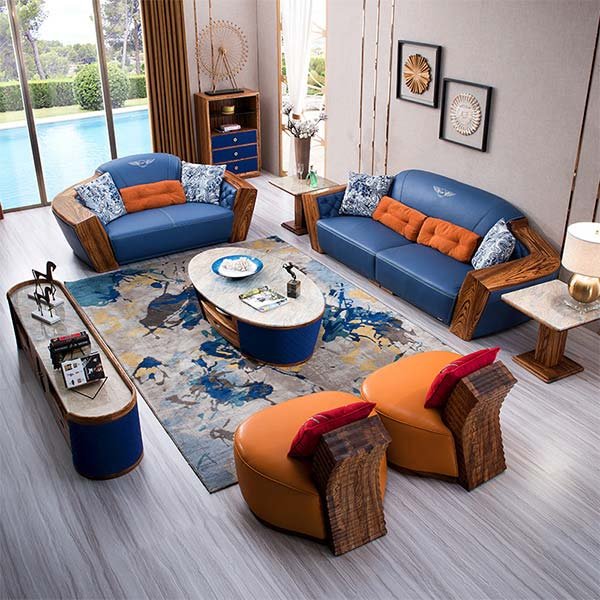
In addition to providing seating, a sectional sofa can also help define different areas within a large living room. For example, you can use the back of the sofa to create a visual barrier between a sitting area and a dining area. This can help give each space its own distinct feel while still allowing for an open flow between the two.
Another advantage of using a sectional sofa to divide a large living room is that it can add visual interest to the space. Sectional sofas come in a variety of styles, shapes, and colors, so you can choose one that complements the overall design of your room. Whether you prefer a sleek modern look or a cozy traditional feel, there is a sectional sofa out there to suit your taste.
When selecting a sectional sofa for dividing a large living room, it’s important to consider the size and layout of the room. Make sure to measure the space where you plan to place the sofa to ensure that it will fit comfortably. You should also think about how you want to arrange the other furniture in the room to create a cohesive and balanced look.
In terms of placement, there are a few different options for positioning a sectional sofa in a large living room. You can place it in the center of the room to create a focal point, or you can position it against a wall to help define a specific area. You can also use the sectional sofa to create a cozy corner or nook for reading or relaxing.
Overall, a sectional sofa can be a versatile and practical choice for dividing a large living room with furniture. Not only does it provide ample seating and help define different areas within the room, but it can also add visual interest and style to the space. By carefully selecting the right sectional sofa and arranging it thoughtfully, you can create a functional and inviting living room that meets your needs and reflects your personal style.
Room divider
When it comes to decorating a large living room, one of the challenges many people face is how to divide the space effectively with furniture. A room divider can be a great solution to this problem, as it can help create separate areas within the room while still maintaining an open and spacious feel.
One of the most popular ways to divide a large living room with furniture is to use a sofa or sectional as a divider. Placing a sofa in the middle of the room, with its back facing one area and its front facing another, can create a visual separation between the two spaces. This can be especially effective if the sofa is a statement piece that draws the eye and anchors the room.
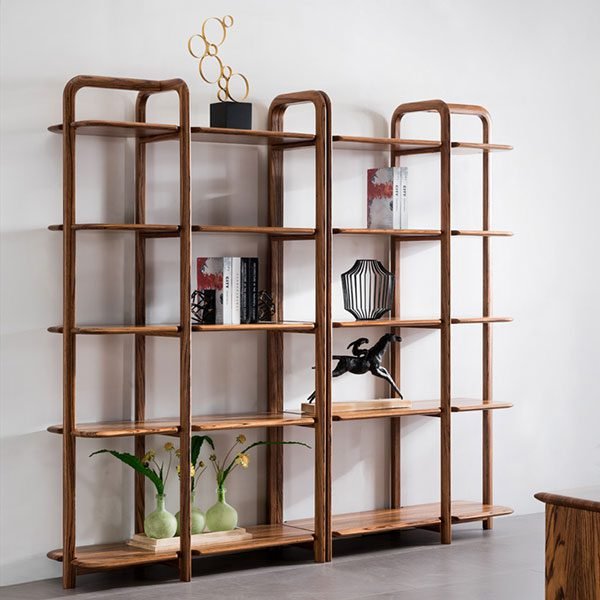
Another option for dividing a large living room with furniture is to use a bookcase or shelving unit. By placing a tall bookcase perpendicular to the walls, you can create a partition that separates one area of the room from another. This can be a great way to add storage and display space while also defining different zones within the room.
If you prefer a more flexible option, consider using a folding screen or room divider. These portable partitions can be easily moved and rearranged to suit your needs, making them a versatile choice for dividing a large living room. Whether you want to create a cozy reading nook, a home office, or a dining area, a folding screen can help you achieve the look and feel you desire.
For a more modern and sleek look, consider using a low console table or bench as a room divider. Placing a long, narrow piece of furniture in the center of the room can create a subtle separation between different areas while still allowing for an open and airy feel. This can be a great option for those who prefer a minimalist aesthetic or who want to maintain a sense of flow and continuity in their living space.
No matter which option you choose, it’s important to consider the scale and proportion of the furniture you use as a room divider. Make sure that the piece you select is large enough to create a visual barrier without overwhelming the space. Additionally, consider the materials and finishes of the furniture to ensure that it complements the rest of the room’s decor.
In conclusion, dividing a large living room with furniture can be a great way to create separate areas within the space while still maintaining an open and spacious feel. Whether you choose a sofa, bookcase, folding screen, or console table as a room divider, make sure to consider the scale, proportion, and style of the furniture to achieve the desired look and functionality. With a little creativity and planning, you can transform your large living room into a multifunctional and stylish space that meets all your needs.
Area rugs
Area rugs are a great way to divide a large living room with furniture. They can help define different areas within the space, creating a sense of organization and cohesion. When choosing an area rug for your living room, there are a few key factors to consider.
First and foremost, you’ll want to think about the size of the rug. A rug that is too small will look out of place in a large room, while a rug that is too large can overwhelm the space. As a general rule of thumb, the rug should be large enough to fit all of the furniture in a particular area, such as under a coffee table or dining table.
In addition to size, you’ll also want to consider the shape of the rug. Rectangular rugs are the most common choice for living rooms, but you may also want to consider round or oval rugs for a more unique look. The shape of the rug should complement the shape of the furniture in the room, creating a harmonious overall design.
When it comes to style, there are endless options to choose from. From traditional Persian rugs to modern geometric patterns, the key is to select a rug that complements the existing decor in your living room. Consider the color scheme, texture, and overall aesthetic of the room when making your selection.
In terms of placement, there are a few different ways you can use an area rug to divide a large living room with furniture. One popular option is to place the rug under a seating area, such as a sofa and chairs, to create a cozy conversation area. This can help define the space and make it feel more intimate.
Another option is to use a rug to define a dining area within the living room. By placing a rug under the dining table and chairs, you can create a separate zone for eating and entertaining. This can be especially useful in open-concept living spaces where the dining area is not clearly defined.
In addition to dividing the space, area rugs can also add warmth and comfort to a large living room. They provide a soft surface underfoot, making the room feel more inviting and cozy. Rugs can also help absorb sound, reducing echoes and creating a more peaceful atmosphere.
Overall, area rugs are a versatile and practical way to divide a large living room with furniture. By considering factors such as size, shape, style, and placement, you can create a cohesive and well-designed space that meets your needs and reflects your personal style. So next time you’re looking to update your living room, consider adding an area rug to help divide and define the space.
Заключение
You can divide a large living room with furniture by using room dividers, such as bookshelves, screens, or curtains. Additionally, you can create separate seating areas with sofas, chairs, and coffee tables to break up the space. Consider the flow of the room and the functionality of each area when arranging the furniture.