“Create a space that reflects your style and enhances your lifestyle with our expertly designed living room furniture layouts.”
Utilize a focal point
When it comes to designing the layout of your living room furniture, one of the key elements to consider is the focal point. A focal point is a central piece in the room that draws the eye and anchors the space. This could be a fireplace, a large window with a beautiful view, or a piece of artwork. By utilizing a focal point, you can create a sense of balance and harmony in the room.
Once you have identified your focal point, you can start arranging your furniture around it. For example, if your focal point is a fireplace, you may want to place your sofa and chairs facing towards it to create a cozy seating area. This not only enhances the visual appeal of the room but also makes it more functional and inviting for guests.
Another important aspect to consider when designing your living room furniture layout is the traffic flow. You want to ensure that there is enough space for people to move around comfortably without feeling cramped. To achieve this, it’s important to leave enough space between furniture pieces and ensure that there are clear pathways throughout the room.
In addition to the focal point and traffic flow, it’s also important to consider the scale and proportion of your furniture. You want to make sure that the size of your furniture complements the size of the room. For example, if you have a small living room, you may want to opt for smaller furniture pieces to avoid overwhelming the space. On the other hand, if you have a large living room, you can experiment with larger furniture pieces to fill the space and create a more grandiose look.
When arranging your furniture, it’s also important to consider the function of the room. Think about how you will be using the space on a daily basis and arrange your furniture accordingly. For example, if you enjoy watching TV in the living room, you may want to place the TV in a central location and arrange the seating around it for optimal viewing.
In terms of style, it’s important to choose furniture pieces that complement each other and create a cohesive look. You can mix and match different styles and textures to add visual interest to the room, but be sure to maintain a sense of unity by sticking to a consistent color palette or theme.
Overall, designing the layout of your living room furniture requires careful consideration of the focal point, traffic flow, scale, proportion, function, and style. By taking these factors into account and following these tips, you can create a well-designed and functional living room that reflects your personal style and meets your needs.
Consider traffic flow
When designing the layout of your living room furniture, one important factor to consider is the traffic flow within the space. Traffic flow refers to the way people move through the room, and it is essential to ensure that there is enough space for easy movement and that the layout does not obstruct the flow of traffic.
One key consideration when designing the furniture layout is to create clear pathways for people to move through the room. This can be achieved by arranging the furniture in a way that allows for easy navigation around the space. For example, placing the sofa and chairs in a way that creates a clear path from the entrance to the seating area can help to improve the flow of traffic.
Another important aspect to consider is the placement of furniture in relation to doorways and other entry points. It is important to ensure that there is enough space around doorways for them to open and close easily, and that furniture does not block the entrance or exit points. This will help to prevent congestion and allow for smooth movement through the room.
In addition to considering the placement of furniture in relation to doorways, it is also important to think about the placement of larger pieces of furniture, such as sofas and coffee tables. These pieces should be arranged in a way that allows for easy access and use, while also creating a comfortable and inviting seating area.
One way to improve traffic flow in the living room is to create distinct zones within the space. This can be achieved by grouping furniture together in a way that defines different areas for specific activities, such as seating, dining, or entertainment. By creating separate zones, you can help to organize the space and make it easier for people to navigate through the room.
When designing the layout of your living room furniture, it is important to consider the size and shape of the room. Larger rooms may require more furniture to fill the space and create a cozy atmosphere, while smaller rooms may benefit from a more minimalist approach to furniture placement. It is important to strike a balance between functionality and aesthetics, ensuring that the furniture layout enhances the overall design of the room.
In conclusion, when designing the layout of your living room furniture, it is important to consider traffic flow as a key factor. By creating clear pathways, ensuring easy access to doorways, and organizing furniture into distinct zones, you can improve the flow of traffic within the space and create a comfortable and inviting living room layout. By carefully considering these factors, you can create a functional and aesthetically pleasing furniture layout that enhances the overall design of your living room.
Create conversation areas
When it comes to designing the layout of your living room furniture, creating conversation areas is key. Conversation areas are spaces within the room where people can comfortably sit and talk with each other. These areas are essential for fostering communication and social interaction in your living room.
One way to create conversation areas in your living room is to arrange your furniture in a way that encourages face-to-face interaction. This can be achieved by placing seating options, such as sofas and chairs, across from each other. This setup allows people to easily engage in conversation without having to strain their necks or shout across the room.
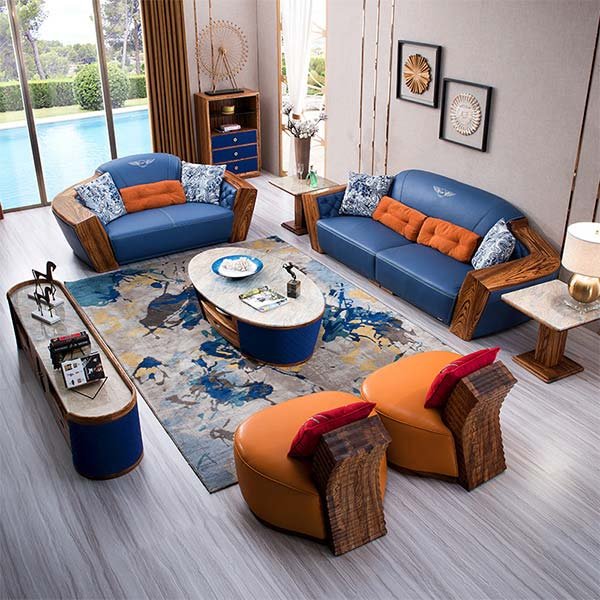
Another way to create conversation areas is to group furniture together in clusters. For example, you can arrange a sofa, two chairs, and a coffee table in a cozy corner of the room. This setup creates a comfortable and intimate space where people can gather and chat. Adding a rug underneath the furniture can help define the conversation area and make it feel more inviting.
In addition to arranging furniture in a way that promotes conversation, it’s important to consider the flow of traffic in the room. Make sure there is enough space between furniture pieces to allow people to move around comfortably. Avoid placing furniture in high-traffic areas, such as in front of doorways or pathways, as this can disrupt the flow of the room and make it difficult for people to navigate.
When designing conversation areas in your living room, consider the size and shape of the room. If you have a small living room, opt for smaller furniture pieces that can fit comfortably in the space. Avoid overcrowding the room with too much furniture, as this can make it feel cramped and cluttered. On the other hand, if you have a large living room, you can create multiple conversation areas to accommodate larger groups of people.
When selecting furniture for your conversation areas, choose pieces that are comfortable and inviting. Consider the needs and preferences of your family members and guests when selecting seating options. Opt for plush sofas and chairs with soft cushions, as well as coffee tables and side tables for added convenience.
In conclusion, creating conversation areas in your living room is essential for promoting communication and social interaction. By arranging furniture in a way that encourages face-to-face interaction, grouping furniture together in clusters, and considering the flow of traffic in the room, you can design a layout that is both functional and inviting. Remember to select comfortable and inviting furniture pieces that cater to the needs of your family members and guests. With these tips in mind, you can create a living room layout that is perfect for entertaining and relaxing.
Заключение
Идеальное расположение мебели в гостиной зависит от размеров комнаты, функциональности и стиля интерьера. Важно учитывать удобство передвижения, доступ к окнам и дверям, а также создание уютной атмосферы. Рекомендуется использовать мебель различных размеров и форм для создания интересного и гармоничного дизайна.