“Create a space that reflects your style and comfort with carefully crafted furniture design.”
Choosing the Right Furniture Layout
Designing furniture in a living room is a crucial aspect of creating a comfortable and functional space. One of the key elements to consider when designing furniture layout is choosing the right pieces that will not only fit the space but also complement the overall aesthetic of the room.
When selecting furniture for your living room, it is important to take into account the size and shape of the room. If you have a small living room, it is best to opt for furniture that is sleek and compact to maximize space. On the other hand, if you have a larger living room, you can experiment with larger pieces such as a sectional sofa or a statement armchair.
Another important factor to consider when designing furniture layout is the traffic flow in the room. It is essential to ensure that there is enough space for people to move around freely without feeling cramped. Placing furniture in a way that allows for easy navigation will make the room feel more inviting and functional.
In addition to considering the size and traffic flow of the room, it is also important to think about the focal point of the space. Whether it is a fireplace, a large window, or a piece of artwork, the focal point should be highlighted by arranging furniture around it. This will create a sense of balance and harmony in the room.
When designing furniture layout, it is also important to consider the function of the space. If your living room is primarily used for entertaining guests, you may want to focus on creating conversation areas with comfortable seating. On the other hand, if the room is used for watching TV or reading, you may want to prioritize creating a cozy and relaxing atmosphere.
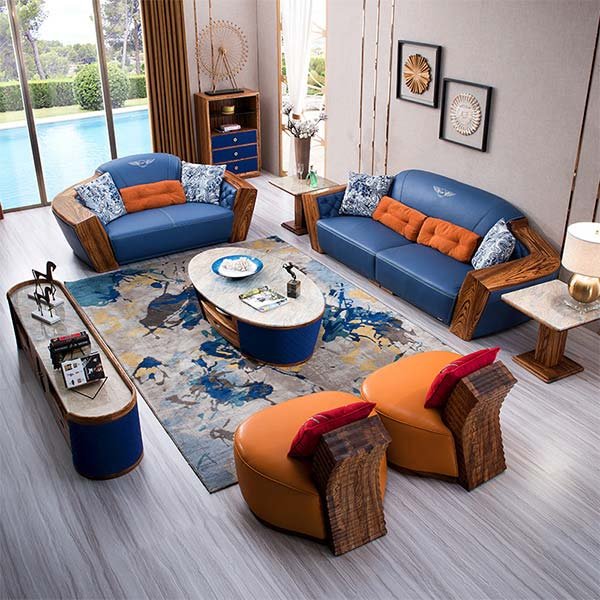
When choosing furniture for your living room, it is important to mix and match different pieces to create visual interest. Consider incorporating a variety of textures, colors, and materials to add depth and dimension to the space. Mixing modern and traditional pieces can also create a unique and eclectic look.
In conclusion, designing furniture layout in a living room requires careful consideration of the size and shape of the room, traffic flow, focal points, and function of the space. By choosing the right pieces and arranging them in a way that maximizes space and enhances the overall aesthetic, you can create a comfortable and inviting living room that reflects your personal style.
Incorporating Functional Storage Solutions
Designing furniture for a living room can be a challenging task, especially when it comes to incorporating functional storage solutions. In order to create a space that is both stylish and practical, it is important to carefully consider the layout and placement of furniture pieces.
One of the key elements to consider when designing furniture for a living room is the use of multifunctional pieces. For example, a coffee table with built-in storage compartments can provide a convenient place to store remote controls, magazines, and other small items, while also serving as a stylish centerpiece for the room. Similarly, a sofa with hidden storage compartments can help to maximize space in a small living room.
When selecting furniture for a living room, it is also important to consider the overall aesthetic of the space. Choosing pieces that complement the existing decor and color scheme can help to create a cohesive look that is both visually appealing and functional. Additionally, incorporating furniture with clean lines and simple designs can help to create a sense of openness and flow in the room.
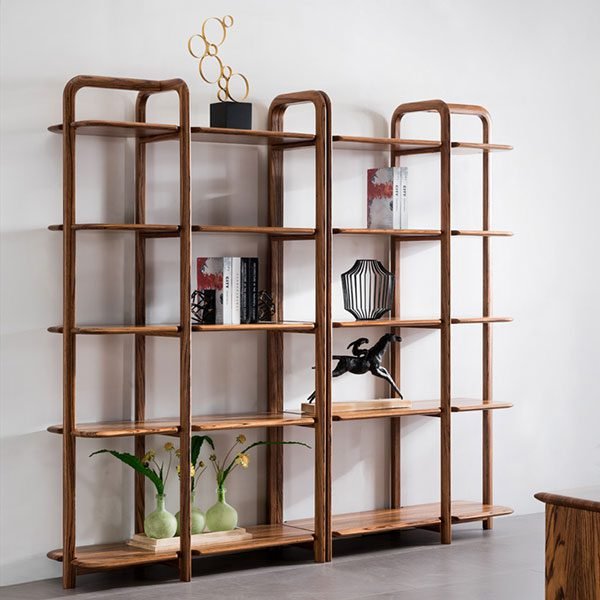
Incorporating furniture with adjustable features can also help to maximize space in a living room. For example, a bookshelf with adjustable shelves can be easily reconfigured to accommodate different sized items, while a modular sofa can be rearranged to create different seating arrangements. By choosing furniture with adjustable features, you can create a versatile and adaptable living room that can easily be customized to suit your needs.
Another important consideration when designing furniture for a living room is the use of vertical space. Utilizing wall-mounted shelves, cabinets, and bookcases can help to free up floor space and create a more open and airy feel in the room. Additionally, incorporating furniture with built-in vertical storage solutions, such as tall cabinets or armoires, can help to maximize storage space without sacrificing style.
When designing furniture for a living room, it is also important to consider the layout of the room and how furniture placement can impact the flow of traffic. Arranging furniture in a way that allows for easy movement throughout the space can help to create a more functional and inviting living room. Additionally, incorporating furniture with hidden storage solutions, such as ottomans with storage compartments or benches with lift-up seats, can help to keep clutter at bay and maintain a clean and organized living room.
In conclusion, designing furniture for a living room requires careful consideration of both style and functionality. By incorporating multifunctional pieces, choosing furniture that complements the existing decor, and utilizing adjustable features and vertical storage solutions, you can create a stylish and practical living room that meets your needs and enhances the overall aesthetic of your home.
Mixing and Matching Different Styles
When it comes to designing furniture in a living room, one of the key aspects to consider is how to mix and match different styles. This can be a daunting task for many people, as it requires a good eye for design and a keen understanding of how different styles can work together harmoniously.
One important thing to keep in mind when mixing and matching different styles of furniture is to create a cohesive look that ties everything together. This can be achieved by choosing a common color palette or theme that runs throughout the room. For example, if you have a modern sofa, you can pair it with a vintage coffee table to create an eclectic look that is both stylish and unique.
Another tip for mixing and matching different styles of furniture is to vary the scale and proportion of the pieces in the room. This can help create visual interest and prevent the space from feeling too uniform or boring. For example, you can pair a large, overstuffed armchair with a sleek, minimalist side table to create a dynamic contrast that adds depth to the room.
In addition to varying the scale and proportion of the furniture, it is also important to consider the texture and materials of the pieces you are mixing and matching. Mixing different textures, such as leather, wood, and metal, can add visual interest and create a more layered look in the room. Similarly, mixing different materials, such as glass, marble, and fabric, can add depth and dimension to the space.
When mixing and matching different styles of furniture, it is important to strike a balance between cohesion and contrast. While it is important to create a cohesive look that ties everything together, it is also important to introduce elements of contrast that add visual interest and keep the space from feeling too predictable. For example, you can pair a traditional sofa with a modern rug to create a dynamic contrast that adds personality to the room.
Ultimately, mixing and matching different styles of furniture in a living room is all about experimentation and creativity. Don’t be afraid to take risks and try new combinations – you may be surprised by the results! By following these tips and guidelines, you can create a stylish and unique living room that reflects your personal style and taste.
Заключение
Выбрать мебель, которая сочетается по стилю и цвету, учитывая размеры помещения и функциональность. Создать гармоничное расположение мебели, учитывая удобство передвижения и доступ к основным предметам. Важно также учитывать естетический аспект и создавать уютную атмосферу.