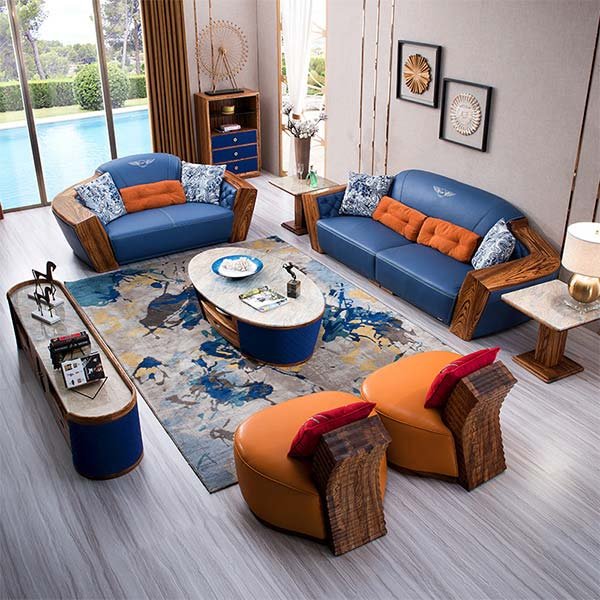
“Embrace the timeless elegance of a wooden sofa in your transitional space.”
Choosing the right color palette to complement the wooden sofa
Choosing the right color palette to complement the wooden sofa is essential when decorating a transitional space. The color scheme you select can greatly impact the overall aesthetic and atmosphere of the room. In this article, we will explore some tips and ideas for incorporating a wooden sofa into your transitional space.
One of the first things to consider when choosing a color palette is the type of wood used in your sofa. Different types of wood have distinct colors and tones, and it’s important to select colors that will complement and enhance the natural beauty of the wood. For example, if your wooden sofa has a warm, reddish tone, you may want to consider using colors like beige, cream, or light brown to create a cozy and inviting atmosphere.
Another factor to consider is the size of the room. If you have a small space, it’s generally best to stick with lighter colors to create a sense of openness and airiness. Lighter shades of blue, green, or even pastel colors can work well in smaller rooms. On the other hand, if you have a larger space, you can experiment with bolder and darker colors to create a more dramatic and sophisticated look.
In addition to the size of the room, you should also take into account the amount of natural light that enters the space. If your transitional space is flooded with natural light, you can opt for brighter and more vibrant colors to create a cheerful and energetic atmosphere. On the other hand, if your space lacks natural light, you may want to consider using lighter shades to make the room feel brighter and more spacious.
When selecting a color palette, it’s important to consider the overall style and theme of your transitional space. If you have a modern and minimalist style, you may want to stick with a monochromatic color scheme, using different shades of the same color to create depth and interest. On the other hand, if you have a more eclectic and bohemian style, you can experiment with a mix of bold and vibrant colors to create a unique and eclectic look.
In addition to the color of the walls, you should also consider the colors of the accessories and furnishings in the room. The pillows, curtains, rugs, and other decorative elements should all complement the color palette of the wooden sofa. You can use these accessories to add pops of color or to create a cohesive and harmonious look.
In conclusion, choosing the right color palette to complement a wooden sofa in a transitional space is crucial for creating a cohesive and visually appealing look. Consider the type of wood, the size of the room, the amount of natural light, and the overall style of the space when selecting colors. By carefully selecting a color palette, you can create a beautiful and inviting space that showcases the natural beauty of the wooden sofa.
Incorporating different textures and materials to create visual interest
Incorporating different textures and materials to create visual interest is a key aspect of interior design. One way to achieve this is by decorating with a wooden sofa in a transitional space. A wooden sofa can add warmth and character to any room, while also providing a versatile and timeless piece of furniture. In this article, we will explore various ways to decorate with a wooden sofa in a transitional space, and how to create a cohesive and visually appealing design.
When decorating with a wooden sofa, it is important to consider the overall style and theme of the room. Transitional spaces often combine elements of both traditional and contemporary design, creating a harmonious balance between old and new. To achieve this, consider pairing the wooden sofa with other furniture pieces that have clean lines and simple shapes. This will create a cohesive look that is both modern and classic.
To create visual interest, incorporate different textures and materials into the space. For example, pair the wooden sofa with a plush velvet armchair or a sleek leather ottoman. This combination of textures will add depth and dimension to the room, creating a visually appealing and inviting space.
In addition to different textures, consider using contrasting colors to enhance the visual impact of the wooden sofa. For instance, if the sofa is a dark wood, pair it with light-colored walls and accessories to create a striking contrast. This will draw attention to the sofa and make it the focal point of the room.
Another way to decorate with a wooden sofa in a transitional space is by incorporating decorative accents and accessories. This can include throw pillows, blankets, and artwork. Choose accessories that complement the style and color of the sofa, while also adding visual interest. For example, if the sofa has a traditional design, consider adding throw pillows with bold patterns or vibrant colors to create a modern twist.
When arranging the furniture in the room, consider the flow and functionality of the space. Place the wooden sofa in a central location, such as against a wall or in the middle of the room, to create a focal point. Arrange other furniture pieces around the sofa to create a comfortable and inviting seating area. This will ensure that the wooden sofa is not only visually appealing but also functional.
To tie the entire design together, consider adding accessories and decor that complement the wooden sofa. This can include wooden coffee tables, side tables, and shelves. These pieces will not only enhance the overall aesthetic of the room but also provide additional storage and display space.
In conclusion, decorating with a wooden sofa in a transitional space can create a visually appealing and inviting atmosphere. By incorporating different textures, colors, and materials, you can enhance the overall design and create a cohesive look. Remember to consider the style and theme of the room, as well as the flow and functionality of the space. With these tips in mind, you can successfully decorate with a wooden sofa and create a beautiful transitional space.
Balancing the overall design with the right accessories and decor
When it comes to decorating a transitional space, one of the key elements to consider is the furniture. A wooden sofa can be a great addition to such a space, as it adds warmth and natural beauty. However, it is important to balance the overall design with the right accessories and decor.
One way to achieve this balance is by choosing accessories and decor that complement the wooden sofa. For example, you can opt for throw pillows in neutral colors or with subtle patterns that enhance the natural beauty of the wood. Additionally, you can add a cozy throw blanket in a complementary color to create a welcoming and inviting atmosphere.
Another important aspect to consider when decorating with a wooden sofa in a transitional space is the choice of coffee table. A wooden coffee table can be a perfect match for the sofa, creating a cohesive and harmonious look. Alternatively, you can choose a glass or metal coffee table to add a touch of modernity and contrast to the space.
In addition to the coffee table, the choice of lighting is also crucial in balancing the overall design. A wooden sofa can be beautifully highlighted with the right lighting fixtures. For instance, you can opt for a floor lamp with a wooden base or a pendant light with a wooden accent. These lighting options not only provide functional lighting but also add a touch of elegance and sophistication to the space.
Furthermore, the choice of wall art and decor can greatly impact the overall design of a transitional space with a wooden sofa. To create a cohesive look, you can choose artwork or wall decor that incorporates elements of wood or natural materials. This can be achieved through framed prints of nature scenes, wooden wall shelves, or even a large mirror with a wooden frame.
To tie everything together, it is important to consider the color scheme of the space. Neutral colors such as beige, gray, or cream can work well with a wooden sofa, creating a calming and timeless look. However, you can also add pops of color through accent pillows, rugs, or curtains to add visual interest and personality to the space.
In conclusion, decorating with a wooden sofa in a transitional space requires careful consideration of accessories, decor, lighting, and color scheme. By choosing complementary elements and balancing the overall design, you can create a harmonious and inviting space. Whether you opt for a traditional or modern look, a wooden sofa can be a versatile and stylish addition to any transitional space.
Заключение
Заключение: Чтобы украсить пространство с деревянным диваном в переходном стиле, рекомендуется следовать нескольким принципам. Во-первых, выберите диван, который сочетается с остальной мебелью и декором в комнате. Во-вторых, используйте подушки и покрывала, чтобы добавить цвет и текстуру к дивану. В-третьих, украсьте пространство с помощью акцентных предметов, таких как ковры, столики или настенные украшения, чтобы создать гармоничный общий вид. Наконец, не забывайте о правильном освещении, которое может подчеркнуть красоту деревянного дивана и создать уютную атмосферу в комнате.