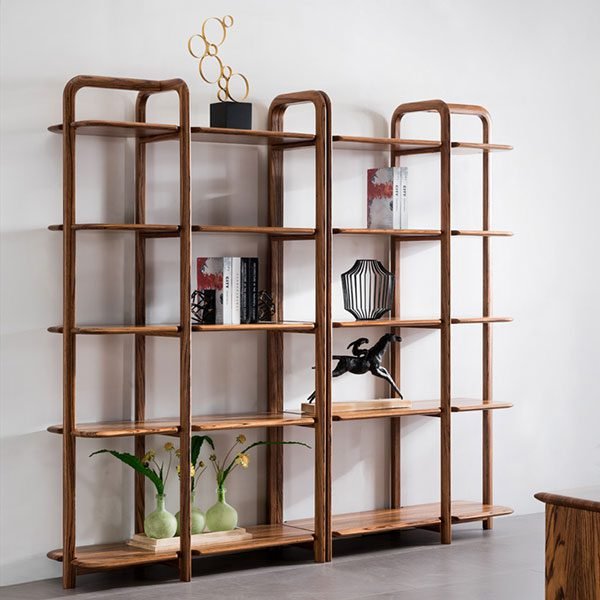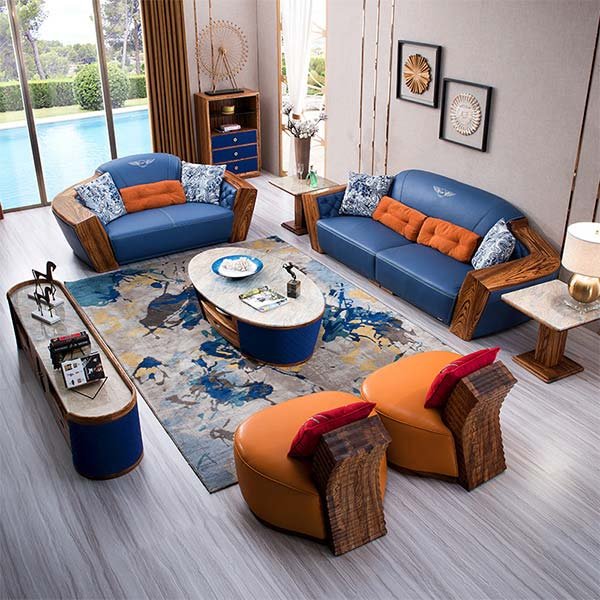
“Harmonize your space with coordinated living room furniture.”
Mixing and Matching Furniture Styles
When it comes to decorating your living room, one of the most important aspects to consider is how to coordinate your furniture. Mixing and matching furniture styles can be a daunting task, but with the right approach, you can create a cohesive and visually appealing space that reflects your personal style.
One of the key principles to keep in mind when coordinating living room furniture is to choose a unifying element. This could be a color scheme, a particular style, or a common material. By selecting a unifying element, you can tie together different pieces of furniture and create a harmonious look in your living room.
For example, if you have a mix of modern and traditional furniture, you could choose a neutral color palette to create a sense of cohesion. Alternatively, you could opt for a common material, such as wood or metal, to tie together different pieces of furniture. By selecting a unifying element, you can create a cohesive look in your living room that is both visually appealing and functional.
Another important aspect to consider when coordinating living room furniture is the scale and proportion of the pieces. It’s important to ensure that the furniture in your living room is appropriately sized for the space. For example, if you have a small living room, you may want to opt for smaller-scale furniture to avoid overwhelming the space. Conversely, if you have a large living room, you may want to choose larger pieces of furniture to fill the space and create a sense of balance.
In addition to scale and proportion, it’s also important to consider the layout of your living room when coordinating furniture. The layout of your living room will dictate how you arrange your furniture and how you create flow in the space. When arranging furniture, it’s important to consider the function of the room and how you will use the space. For example, if you use your living room for entertaining, you may want to create conversation areas with seating that encourages interaction. Alternatively, if you use your living room for watching TV, you may want to arrange your furniture around the television for optimal viewing.
When coordinating living room furniture, it’s also important to consider the style and aesthetic of the room. While mixing and matching furniture styles can create visual interest, it’s important to ensure that the different pieces of furniture complement each other and create a cohesive look. One way to achieve this is to mix different styles in a balanced way. For example, you could pair a modern sofa with a traditional coffee table to create a visually appealing contrast. Alternatively, you could mix different textures and materials to add depth and dimension to your living room.
In conclusion, coordinating living room furniture is an important aspect of creating a cohesive and visually appealing space. By selecting a unifying element, considering scale and proportion, paying attention to layout, and mixing different styles in a balanced way, you can create a living room that reflects your personal style and meets your functional needs. With the right approach, you can create a harmonious and inviting space that you and your guests will enjoy spending time in.
Creating a Focal Point with Furniture Arrangement
When it comes to designing a living room, one of the most important aspects to consider is how to coordinate the furniture. The way you arrange your furniture can have a significant impact on the overall look and feel of the room. One key element to keep in mind is creating a focal point with your furniture arrangement.
A focal point is a central point of interest in a room that draws the eye and anchors the space. It can be a fireplace, a large window with a beautiful view, a piece of artwork, or even a statement piece of furniture. By arranging your furniture around this focal point, you can create a sense of balance and harmony in the room.
When creating a focal point with your furniture arrangement, it’s important to consider the size and scale of the room. If you have a large living room, you may want to create multiple focal points to break up the space and create visual interest. On the other hand, if you have a small living room, you may want to focus on one main focal point to avoid overwhelming the space.
One common way to create a focal point with furniture arrangement is to place the largest piece of furniture, such as a sofa or a sectional, facing the focal point. This helps to draw the eye towards the central point of interest and creates a sense of balance in the room. You can then arrange additional pieces of furniture, such as accent chairs or a coffee table, around the focal point to further enhance the overall design.
Another important aspect to consider when coordinating living room furniture is the flow of traffic in the room. You want to make sure that there is enough space for people to move around comfortably without feeling cramped. This can be achieved by leaving enough space between furniture pieces and ensuring that there are clear pathways throughout the room.
In addition to creating a focal point and considering traffic flow, it’s also important to think about the function of the room. Are you using the living room primarily for entertaining guests, watching TV, or relaxing with your family? The way you arrange your furniture should reflect the primary function of the room. For example, if you enjoy hosting dinner parties, you may want to create a seating area that encourages conversation and interaction.
When coordinating living room furniture, it’s also important to consider the style and color scheme of the room. You want to make sure that all of the pieces work together harmoniously to create a cohesive look. This can be achieved by choosing furniture pieces that complement each other in terms of style, color, and texture.
In conclusion, creating a focal point with furniture arrangement is an important aspect of coordinating living room furniture. By considering the size and scale of the room, the flow of traffic, the function of the room, and the style and color scheme, you can create a cohesive and visually appealing design. With careful planning and attention to detail, you can create a living room that is both functional and beautiful.
Choosing the Right Size and Scale of Furniture
When it comes to designing a living room, one of the most important aspects to consider is how to coordinate the furniture. The way in which you arrange your furniture can greatly impact the overall look and feel of the room. One key factor to keep in mind when coordinating living room furniture is choosing the right size and scale of each piece.
The size and scale of your furniture should be proportionate to the size of the room. If you have a small living room, it’s important to choose furniture that is appropriately sized so as not to overwhelm the space. On the other hand, if you have a large living room, you’ll want to make sure that your furniture is substantial enough to fill the space without looking sparse.
When selecting a sofa for your living room, consider the dimensions of the room and the other furniture you plan to include. A large sectional may be perfect for a spacious living room, while a smaller loveseat or settee might be more appropriate for a cozy space. Be sure to measure the area where you plan to place the sofa to ensure that it will fit comfortably without obstructing walkways or doorways.
In addition to the size of the furniture, the scale is also an important consideration. The scale refers to the relative size of each piece of furniture in relation to the other items in the room. For example, if you have a large, bulky sofa, you’ll want to balance it out with smaller, more delicate pieces such as side tables or accent chairs.
To create a harmonious look in your living room, aim for a mix of different scales. This will add visual interest and prevent the room from feeling too uniform or monotonous. For example, if you have a large, statement-making coffee table, consider pairing it with smaller, more understated side tables to create a balanced look.
When coordinating living room furniture, it’s also important to consider the flow of the room. Arrange your furniture in a way that allows for easy movement and conversation. Avoid placing pieces too close together or too far apart, as this can disrupt the flow of the room and make it feel awkward or cramped.
One helpful tip for coordinating living room furniture is to create a focal point. This could be a fireplace, a large window with a view, or a piece of artwork. Arrange your furniture around this focal point to create a cohesive and visually appealing layout.
In conclusion, choosing the right size and scale of furniture is essential when coordinating your living room. Consider the dimensions of the room, the scale of each piece, and the flow of the space to create a harmonious and inviting environment. By following these tips, you can create a well-coordinated living room that is both functional and stylish.
Conclusion
When coordinating living room furniture, consider the size and layout of the room, the style and color scheme you want to achieve, and the functionality of each piece. Make sure to create a balanced and cohesive look by mixing and matching different pieces that complement each other. Don’t be afraid to experiment with different arrangements until you find the perfect layout that suits your personal style and needs.