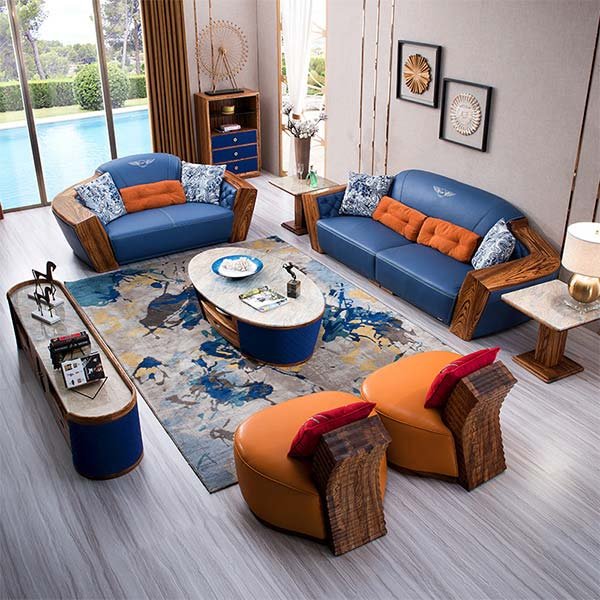
“Create the perfect space with strategic furniture placement.”
Maximizing Space in a Small Living Room
Arranging furniture in a small living room can be a challenging task. With limited space, it’s important to make the most of what you have while still creating a functional and visually appealing layout. By following a few key tips and tricks, you can maximize the space in your small living room and create a cozy and inviting atmosphere.
One of the first things to consider when arranging furniture in a small living room is the layout of the room itself. Take note of any architectural features, such as windows, doors, or built-in shelving, that may impact the placement of your furniture. It’s also important to consider the flow of traffic through the room and ensure that there is enough space for people to move around comfortably.
When arranging furniture in a small living room, it’s important to prioritize the pieces that are essential for everyday use. Start by placing the largest piece of furniture, such as a sofa or sectional, against one wall to create a focal point for the room. This will help to anchor the space and provide a sense of balance.
Next, consider the placement of additional seating options, such as armchairs or accent chairs. These pieces can be placed across from the sofa to create a conversational area, or along the walls to maximize space in the center of the room. Be sure to leave enough space between each piece of furniture to allow for easy movement and access.
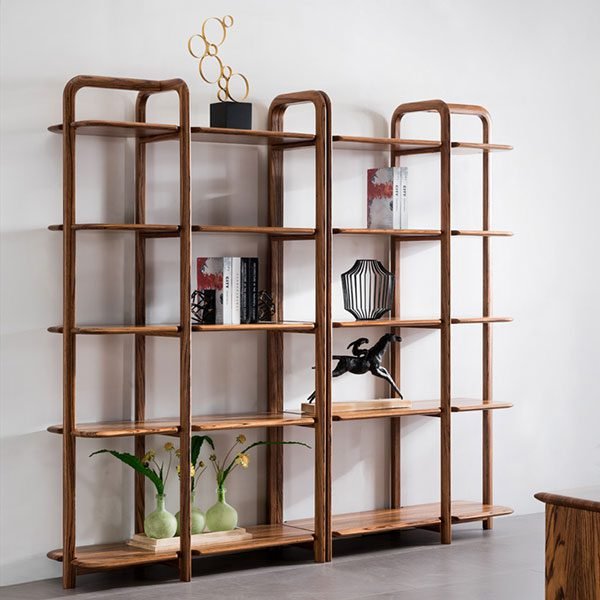
In a small living room, it’s important to make the most of vertical space as well. Consider adding shelves or bookcases to provide additional storage and display space without taking up valuable floor space. Wall-mounted shelves can also help to create a sense of height in the room and draw the eye upward, making the space feel larger.
When arranging furniture in a small living room, it’s important to consider the scale and proportion of each piece. Choose furniture that is appropriately sized for the room and avoid overcrowding the space with too many large or bulky pieces. Opt for furniture with clean lines and open legs to create a sense of lightness and airiness in the room.
In a small living room, it’s important to make the most of natural light to create a bright and airy atmosphere. Consider placing furniture near windows to take advantage of natural light and create a sense of openness in the room. Avoid blocking windows with large pieces of furniture, as this can make the room feel dark and cramped.
When arranging furniture in a small living room, it’s important to consider the overall aesthetic of the space. Choose furniture and decor that complement each other and create a cohesive look. Consider using a neutral color palette to create a sense of unity in the room, and add pops of color or pattern with accent pillows or throws.
By following these tips and tricks, you can maximize the space in your small living room and create a functional and visually appealing layout. With careful planning and consideration, you can create a cozy and inviting atmosphere that makes the most of your limited space.
Creating a Focal Point with Furniture Arrangement
Arranging furniture in a living room can be a daunting task, but with the right approach, you can create a space that is both functional and visually appealing. One key aspect of furniture arrangement is creating a focal point in the room. A focal point is a central element that draws the eye and anchors the space. It can be a fireplace, a large window, a piece of artwork, or even a television. By arranging your furniture around this focal point, you can create a cohesive and inviting living room layout.
When creating a focal point with furniture arrangement, it’s important to consider the size and scale of the room. If you have a large living room, you may want to create multiple focal points to break up the space and create visual interest. For example, you could have a seating area around a fireplace on one side of the room, and a reading nook with a cozy armchair and floor lamp on the other side. By creating multiple focal points, you can create a dynamic and engaging living room layout.
Another important consideration when arranging furniture around a focal point is the flow of the room. You want to make sure that there is a clear path for people to move through the space without feeling cramped or blocked. This means leaving enough space between furniture pieces for easy movement, and ensuring that there are no obstacles in the way. You may need to experiment with different furniture arrangements to find the best layout for your living room.
In addition to creating a focal point with furniture arrangement, you can also use other design elements to enhance the space. For example, you can use area rugs to define different zones within the room, or add throw pillows and blankets to create a cozy and inviting atmosphere. You can also use lighting to highlight the focal point and create a warm and welcoming ambiance. By combining furniture arrangement with these other design elements, you can create a living room that is both functional and aesthetically pleasing.
When arranging furniture around a focal point, it’s important to consider the scale and proportion of the furniture pieces. You want to make sure that the furniture is appropriately sized for the room, and that there is a good balance between large and small pieces. For example, if you have a large sofa, you may want to balance it out with a smaller armchair or side table. By mixing and matching different furniture pieces, you can create a visually interesting and harmonious living room layout.
In conclusion, creating a focal point with furniture arrangement is an important aspect of designing a living room. By considering the size and scale of the room, the flow of the space, and other design elements, you can create a cohesive and inviting living room layout. Experiment with different furniture arrangements and design elements to find the best layout for your space. With the right approach, you can create a living room that is both functional and visually appealing.
Balancing Functionality and Style in Living Room Layouts
Arranging furniture in a living room can be a daunting task. It requires a delicate balance between functionality and style to create a space that is both comfortable and visually appealing. By following a few simple guidelines, you can achieve a well-designed living room layout that maximizes the use of space while also reflecting your personal style.
When arranging furniture in a living room, it is important to consider the function of the space. Think about how you and your family will use the room on a daily basis. Will it be a place for relaxing and watching TV, or will it also serve as a space for entertaining guests? Once you have determined the primary function of the room, you can begin to plan the layout accordingly.
One of the most important considerations when arranging furniture in a living room is the placement of the sofa. The sofa is typically the largest piece of furniture in the room and often serves as the focal point. To create a balanced layout, position the sofa in a central location, such as facing the TV or fireplace. This will help to anchor the room and create a sense of symmetry.
Once you have placed the sofa, you can begin to add additional seating options, such as armchairs or loveseats. When arranging these pieces, be sure to leave enough space for traffic flow and easy access to other areas of the room. Avoid placing furniture too close together, as this can make the room feel cramped and cluttered.
In addition to seating, consider the placement of other key pieces of furniture, such as coffee tables and side tables. These pieces should be placed within easy reach of seating areas and should complement the overall style of the room. When selecting furniture, choose pieces that are proportional to the size of the room and that reflect your personal taste.
When arranging furniture in a living room, it is also important to consider the layout of the room itself. Take into account the size and shape of the space, as well as the location of windows, doors, and other architectural features. Arrange furniture in a way that takes advantage of natural light and creates a sense of balance and harmony.
To add visual interest to your living room layout, consider incorporating different textures, colors, and patterns. Mix and match furniture pieces to create a dynamic and inviting space. Use area rugs, throw pillows, and other accessories to tie the room together and add personality to the space.
In conclusion, arranging furniture in a living room requires careful planning and consideration. By balancing functionality and style, you can create a space that is both comfortable and visually appealing. Take into account the function of the room, the placement of key pieces of furniture, and the layout of the space itself. By following these guidelines, you can achieve a well-designed living room layout that reflects your personal style and enhances the overall look and feel of your home.
Conclusion
When arranging living room furniture, consider the flow of traffic, create conversation areas, and balance the room with a mix of large and small pieces. Make sure to leave enough space for movement and ensure that the furniture is proportionate to the size of the room. Additionally, consider the focal point of the room and arrange the furniture around it to create a cohesive and inviting space.