“Transform your living space with the perfect furniture arrangement.”
Optimal Furniture Layouts for Small Living Rooms
Arranging furniture in a small living room can be a challenging task. With limited space, it’s important to make the most of every square inch to create a functional and visually appealing layout. By following some simple guidelines and tips, you can maximize the space in your living room and create a cozy and inviting atmosphere.
One of the first things to consider when arranging furniture in a small living room is the layout of the room itself. Take note of any architectural features, such as windows, doors, and built-in shelving, as these will impact the placement of your furniture. It’s also important to consider the flow of traffic in the room and ensure that there is enough space for people to move around comfortably.
When arranging furniture in a small living room, it’s important to keep the scale of the furniture in mind. Choose pieces that are proportionate to the size of the room and avoid oversized furniture that will overwhelm the space. Opt for smaller-scale furniture, such as armless chairs and sofas with low backs, to create a more open and airy feel in the room.
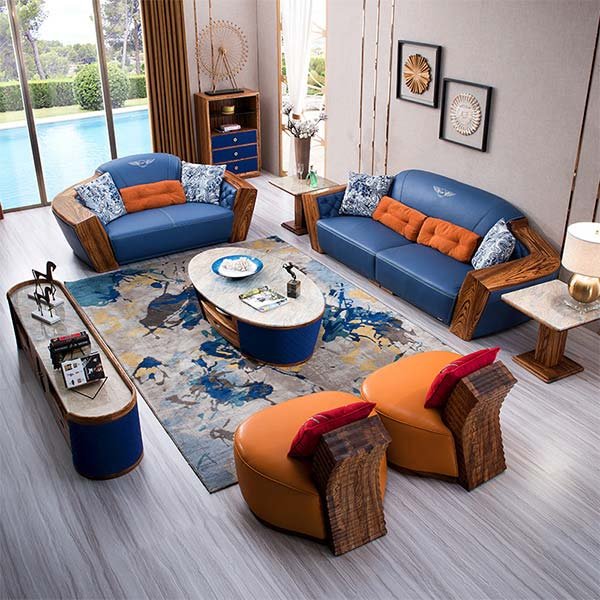
To create a sense of balance and harmony in your living room, consider the placement of your furniture in relation to the focal point of the room. This could be a fireplace, a television, or a large window with a view. Arrange your furniture around this focal point to create a cohesive and visually pleasing layout.
When arranging furniture in a small living room, it’s important to create distinct zones for different activities. For example, you may want to create a seating area for watching television, a reading nook with a comfortable chair and lamp, and a dining area for meals. By creating separate zones, you can make the most of the space in your living room and ensure that each area serves its purpose effectively.
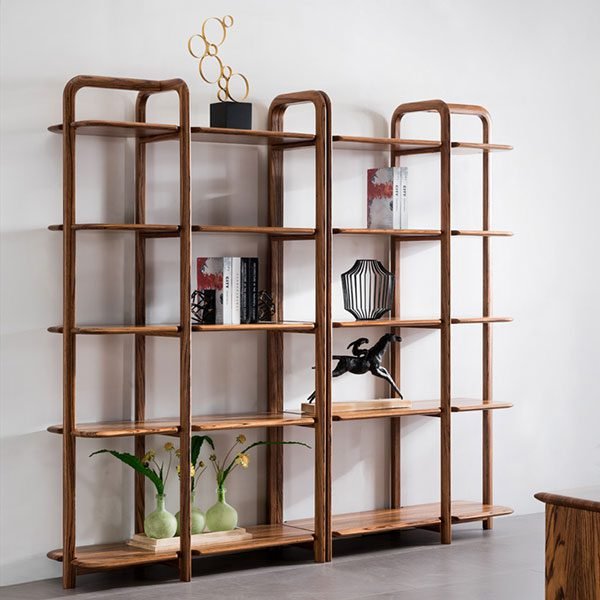
In a small living room, it’s important to make use of vertical space to maximize storage and create a sense of height in the room. Consider adding shelves or bookcases to display books and decorative items, or opt for furniture with built-in storage, such as ottomans or coffee tables with hidden compartments. By utilizing vertical space, you can free up floor space and create a more organized and clutter-free living room.
When arranging furniture in a small living room, it’s important to consider the placement of lighting. Good lighting can make a small space feel larger and more inviting. Consider adding a mix of overhead lighting, such as ceiling lights or pendant lights, as well as task lighting, such as floor lamps or table lamps. By layering different types of lighting, you can create a warm and inviting atmosphere in your living room.
In conclusion, arranging furniture in a small living room requires careful planning and consideration. By keeping the scale of the furniture in mind, creating distinct zones for different activities, utilizing vertical space for storage, and paying attention to lighting, you can create a functional and visually appealing layout that maximizes the space in your living room. With some creativity and thoughtful design choices, you can transform your small living room into a cozy and inviting space that reflects your personal style.
Creative Ways to Maximize Space in Your Living Room
Arranging furniture in a living room can be a daunting task, especially if you have limited space to work with. However, with a little creativity and strategic planning, you can maximize the space in your living room and create a functional and visually appealing layout. Here are some tips on how to arrange your furniture in your living room to make the most of the space you have.
One of the first things to consider when arranging furniture in your living room is the focal point of the room. This could be a fireplace, a large window with a beautiful view, or a television. Once you have identified the focal point, arrange your furniture around it to create a cohesive and balanced layout. For example, if your focal point is a fireplace, place your sofa and chairs facing the fireplace to create a cozy and inviting seating area.
Another important consideration when arranging furniture in your living room is the traffic flow. Make sure there is enough space for people to move around the room comfortably without bumping into furniture. Arrange your furniture in a way that allows for easy access to all areas of the room, and avoid blocking doorways or pathways with large pieces of furniture.
When arranging furniture in a small living room, it is important to maximize space by choosing furniture that is appropriately sized for the room. Opt for smaller-scale furniture pieces that are proportional to the size of the room, and avoid overcrowding the space with too many large pieces. Consider using multifunctional furniture, such as a coffee table with storage or a sofa bed, to maximize space and functionality in your living room.
To create a sense of balance and harmony in your living room, consider the placement of your furniture in relation to the walls and other elements in the room. Arrange your furniture in a way that creates a sense of symmetry and balance, and avoid placing all of your furniture against one wall. Experiment with different furniture arrangements to find the layout that works best for your space and enhances the overall aesthetic of the room.
In addition to arranging furniture around the focal point and considering traffic flow, it is important to also think about the function of the room. Determine how you will be using the space and arrange your furniture accordingly. For example, if you enjoy entertaining guests, create a seating area that encourages conversation and interaction. If you use your living room primarily for watching television, arrange your furniture in a way that allows for comfortable viewing.
In conclusion, arranging furniture in your living room is a creative process that requires careful planning and consideration. By identifying the focal point of the room, maximizing space, creating a sense of balance, and considering the function of the room, you can create a functional and visually appealing layout that maximizes the space in your living room. Experiment with different furniture arrangements to find the layout that works best for your space and enhances the overall aesthetic of the room. With a little creativity and strategic planning, you can create a living room that is both stylish and functional.
Tips for Arranging Furniture to Create a Cozy and Inviting Atmosphere
Arranging furniture in a living room can be a daunting task, especially if you’re not sure where to start. However, with a few simple tips and tricks, you can create a cozy and inviting atmosphere that will make your living room the perfect place to relax and entertain guests.
One of the first things to consider when arranging furniture in your living room is the layout of the room itself. Take note of any architectural features, such as windows, doors, and fireplaces, as well as the size and shape of the room. This will help you determine the best placement for your furniture.
When arranging your furniture, it’s important to create a focal point in the room. This could be a fireplace, a large piece of artwork, or a television. Once you have identified the focal point, arrange your furniture around it to create a sense of balance and harmony in the room.
Another important consideration when arranging furniture is the flow of traffic in the room. Make sure there is enough space for people to move around comfortably without bumping into furniture. You may need to experiment with different furniture arrangements to find the best layout for your space.
When arranging seating in your living room, consider the function of the room. If you like to entertain guests, make sure there is plenty of seating available. If you prefer to relax and watch television, create a cozy seating area with a comfortable sofa and chairs.
In addition to seating, don’t forget to include tables in your furniture arrangement. Coffee tables and end tables not only provide a place to set drinks and snacks, but they can also add style and personality to the room. Make sure to place tables within easy reach of seating areas for convenience.
When arranging furniture, don’t be afraid to experiment with different layouts and configurations. You may find that moving a sofa or chair to a different spot in the room can completely change the look and feel of the space. Take your time and play around with different arrangements until you find the one that works best for you.
In addition to furniture placement, consider the lighting in your living room. Natural light can make a room feel bright and airy, while lamps and overhead lighting can create a cozy and inviting atmosphere. Make sure to place lighting fixtures strategically throughout the room to create a warm and welcoming ambiance.
Finally, don’t forget to add personal touches to your living room furniture arrangement. Decorative pillows, throws, and rugs can add color and texture to the space, while artwork and accessories can reflect your personal style. By adding these finishing touches, you can create a living room that is not only functional but also beautiful and inviting.
In conclusion, arranging furniture in your living room doesn’t have to be a daunting task. By following these simple tips and tricks, you can create a cozy and inviting atmosphere that will make your living room the perfect place to relax and entertain guests. Experiment with different layouts, consider the flow of traffic, and don’t forget to add personal touches to make your living room truly your own.
Conclusion
When arranging furniture in your living room, consider the flow of traffic, balance of space, and functionality of each piece. Start by placing the largest furniture items first, such as the sofa and coffee table, and then add smaller pieces like accent chairs and side tables. Leave enough space for easy movement and ensure that the layout promotes conversation and comfort. Experiment with different arrangements until you find one that works best for your space and lifestyle.