“Maximize space and style with strategic furniture placement in your open floor plan living room.”
Utilizing Area Rugs to Define Spaces
When it comes to arranging furniture in an open floor plan living room, one of the key challenges is defining different spaces within the room. Without walls to separate the areas, it can be difficult to create distinct zones for lounging, dining, and entertaining. However, with the right design elements, you can effectively delineate these spaces and create a cohesive and functional layout.
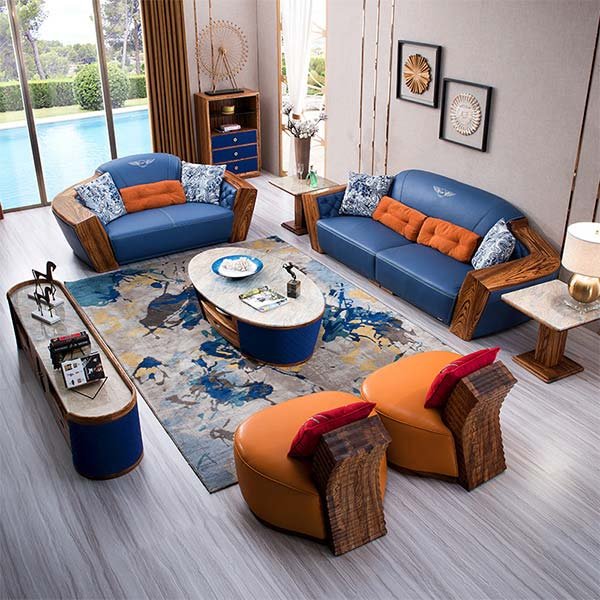
One of the most effective ways to define spaces in an open floor plan living room is by using area rugs. Area rugs not only add warmth and texture to a room but also help to visually separate different areas. By strategically placing rugs under furniture groupings, you can create boundaries that define each space while still maintaining a sense of openness and flow.
When choosing area rugs for an open floor plan living room, it’s important to consider the size and shape of the room as well as the furniture layout. For larger rooms, opt for larger rugs that can accommodate multiple furniture groupings. A rug that extends beyond the edges of the furniture will help to anchor the space and create a cohesive look.
In terms of shape, rectangular rugs are a versatile option that works well in most living rooms. However, if you have a round dining table or a curved sofa, consider using a round rug to complement the shape of the furniture. This can help to create a harmonious and balanced look in the room.
When it comes to placement, there are a few key guidelines to keep in mind. In a seating area, the rug should be large enough to fit all of the furniture legs on top of it. This helps to visually connect the pieces and create a unified grouping. For a dining area, the rug should be large enough to accommodate the table and chairs, with at least 24 inches of rug extending beyond the edges of the table to allow for comfortable movement.
In an open floor plan living room, you may have multiple seating areas or dining spaces that need to be defined. In this case, consider using multiple rugs to delineate each area. By using rugs of different sizes, shapes, or patterns, you can create visual interest and separation between the spaces while still maintaining a cohesive overall look.
In addition to defining spaces, area rugs can also help to tie together the different elements in a room. By choosing a rug that complements the colors and styles of the furniture and decor, you can create a cohesive and harmonious design scheme. Consider using a rug with a pattern or texture that adds visual interest without overwhelming the space.
Overall, utilizing area rugs is a practical and stylish way to define spaces in an open floor plan living room. By choosing the right size, shape, and placement for your rugs, you can create distinct zones for lounging, dining, and entertaining while still maintaining a sense of openness and flow. With a thoughtful approach to rug selection and placement, you can create a functional and inviting living room that meets your needs and reflects your personal style.
Creating Functional Zones with Furniture Placement
Arranging furniture in an open floor plan living room can be a daunting task. With no walls to guide you, it can be challenging to create functional zones that flow seamlessly from one area to the next. However, with some careful planning and strategic placement, you can create a space that is both stylish and practical.
One of the first things to consider when arranging furniture in an open floor plan is the layout of the room. Take note of any architectural features, such as windows, doors, or columns, that may impact the placement of your furniture. It’s also important to consider the traffic flow in the room and ensure that there is enough space for people to move around comfortably.
Once you have a good understanding of the layout of the room, you can start to create functional zones with your furniture placement. One way to do this is by using area rugs to define different areas within the room. For example, you could use a rug to delineate a seating area in the living room, or a dining area in the dining room.
When arranging furniture in an open floor plan, it’s important to consider the scale and proportion of the pieces you are using. For example, if you have a large sofa, you may want to balance it out with a couple of smaller chairs or a coffee table. This will help to create a sense of balance and harmony in the room.
Another important consideration when arranging furniture in an open floor plan is the placement of your seating. It’s important to create conversation areas that are conducive to socializing and entertaining. This can be achieved by arranging your furniture in a way that encourages people to face each other, rather than having their backs to one another.
In addition to creating conversation areas, it’s also important to consider the function of each zone within the room. For example, if you have a designated dining area, make sure that the table and chairs are positioned in a way that is conducive to eating and socializing. Similarly, if you have a reading nook or a home office, make sure that the furniture is arranged in a way that is comfortable and functional for those activities.
When arranging furniture in an open floor plan, it’s also important to consider the flow of natural light in the room. Make sure that your furniture placement allows for plenty of natural light to filter through the space, as this can help to create a bright and airy atmosphere.
In conclusion, arranging furniture in an open floor plan living room requires careful planning and strategic placement. By considering the layout of the room, creating functional zones with area rugs, and paying attention to scale and proportion, you can create a space that is both stylish and practical. Additionally, by creating conversation areas, considering the function of each zone, and maximizing natural light, you can create a space that is inviting and comfortable for both everyday living and entertaining.
Incorporating Room Dividers for Privacy and Definition
When it comes to arranging furniture in an open floor plan living room, one of the biggest challenges is creating defined spaces without sacrificing the flow and openness of the room. One effective way to achieve this balance is by incorporating room dividers. Room dividers not only provide privacy and definition to different areas of the room but also add visual interest and style to the space.
There are many different types of room dividers available, ranging from traditional folding screens to modern shelving units and even hanging curtains. The key is to choose a divider that complements the overall style and aesthetic of your living room while serving its practical purpose.
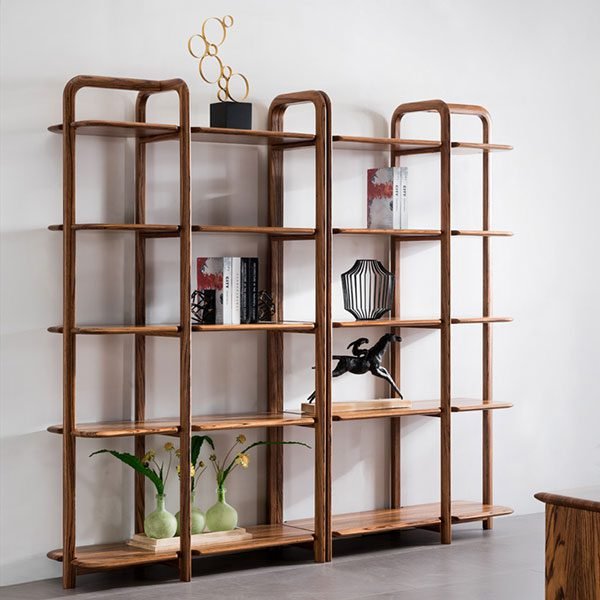
One popular option for room dividers is a bookcase or shelving unit. Not only do these dividers provide a visual barrier between different areas of the room, but they also offer additional storage and display space. By strategically placing a bookcase or shelving unit in the room, you can create separate zones for lounging, dining, and even working without sacrificing the open feel of the space.
Another option for room dividers is hanging curtains. Curtains are a versatile and affordable way to create privacy and definition in an open floor plan living room. By installing a curtain rod across the room and hanging curtains, you can easily divide the space into different areas while still allowing light to flow through. Curtains also add a soft and cozy touch to the room, making it feel more inviting and comfortable.
For a more modern and sleek look, consider using a folding screen as a room divider. Folding screens come in a variety of styles and materials, from wood and metal to fabric and glass. They are easy to move and adjust, allowing you to change the layout of your living room whenever you want. Folding screens are also a great option for renters or those who prefer temporary solutions, as they can be easily folded and stored when not in use.
In addition to providing privacy and definition, room dividers can also be used to create a focal point in the room. By choosing a divider that stands out and complements the rest of the decor, you can draw attention to a specific area of the room, such as a cozy reading nook or a stylish dining area. This can help to create a sense of balance and harmony in the space, making it feel more cohesive and well-designed.
When incorporating room dividers into your open floor plan living room, it’s important to consider the scale and proportion of the divider in relation to the size of the room. A divider that is too large or bulky can overwhelm the space, while one that is too small may not provide enough privacy or definition. Take measurements and test out different options before making a final decision to ensure that the divider fits seamlessly into the room.
Overall, room dividers are a versatile and practical solution for arranging furniture in an open floor plan living room. By choosing the right divider and placing it strategically in the space, you can create defined areas while maintaining the flow and openness of the room. Whether you opt for a bookcase, curtains, or a folding screen, room dividers can help you achieve a well-designed and functional living room that meets your needs and reflects your personal style.
Conclusion
When arranging living room furniture in an open floor plan, consider the following tips:
1. Define separate areas for different functions.
2. Use area rugs to anchor furniture groupings.
3. Create flow by leaving enough space for walking and moving around.
4. Use furniture to create visual barriers and define spaces.
5. Consider the scale and proportion of furniture in relation to the size of the room.
In conclusion, arranging living room furniture in an open floor plan requires thoughtful consideration of function, flow, and visual aesthetics to create a cohesive and inviting space.