“Maximize space, minimize clutter – arrange large furniture with care!”
Utilize multi-functional furniture
When it comes to arranging large furniture in a small living room, one of the most important things to consider is utilizing multi-functional furniture. Multi-functional furniture not only saves space, but also adds versatility to your living room layout.
One great example of multi-functional furniture is a sofa bed. A sofa bed serves as both a comfortable seating option during the day and a cozy bed for guests at night. This is especially useful in a small living room where space is limited and having a separate guest room may not be an option.
Another multi-functional furniture piece to consider is a storage ottoman. A storage ottoman not only provides extra seating, but also offers hidden storage space for blankets, pillows, or other items that tend to clutter up a small living room. This helps keep the space organized and free of clutter.
In addition to multi-functional furniture, consider using furniture with built-in storage. For example, a coffee table with drawers or shelves can provide extra storage space for books, magazines, or remote controls. This helps keep the living room tidy and organized, while also maximizing the use of space.
When arranging large furniture in a small living room, it’s important to think about the flow of the room. Consider placing furniture against the walls to create an open and spacious feel. This can help prevent the room from feeling cramped and claustrophobic.
Another tip for arranging large furniture in a small living room is to use furniture that is proportional to the size of the room. Avoid oversized furniture pieces that can overwhelm the space and make it feel crowded. Instead, opt for smaller-scale furniture that fits comfortably in the room without taking up too much space.
When arranging furniture in a small living room, it’s also important to consider the placement of windows and doors. Make sure to leave enough space around windows and doors for easy access and to allow natural light to flow into the room. This can help make the room feel brighter and more spacious.
In conclusion, utilizing multi-functional furniture is key when arranging large furniture in a small living room. By choosing furniture that serves multiple purposes and maximizes space, you can create a functional and stylish living room layout. Remember to consider the flow of the room, use proportional furniture, and pay attention to the placement of windows and doors to create a comfortable and inviting space.
Create zones within the room
Arranging large furniture in a small living room can be a challenging task, but with the right strategies, you can make the most of the space you have. One effective way to maximize the functionality of a small living room is to create zones within the room. By dividing the space into different areas for specific activities, you can make the room feel more organized and spacious.
One way to create zones within a small living room is to use furniture to define different areas. For example, you can use a sofa or a bookshelf to separate the seating area from the dining area. This not only helps to visually divide the space, but it also provides a sense of purpose for each area.
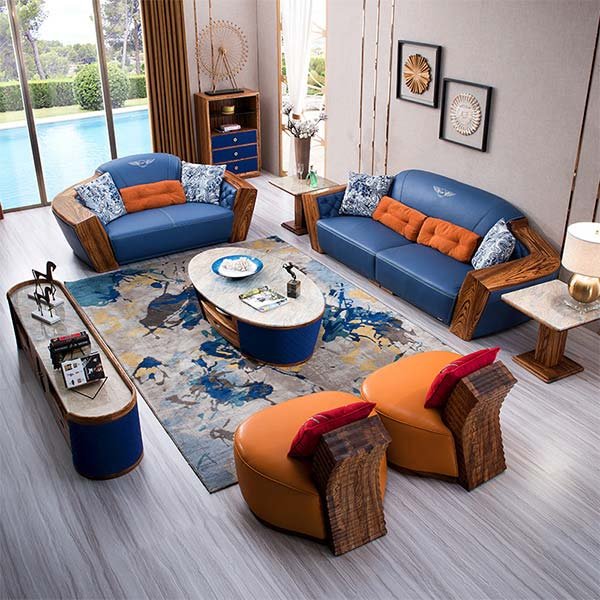
Another way to create zones within a small living room is to use area rugs. Placing a rug under the seating area can help to define that space and make it feel separate from the rest of the room. You can also use rugs to create a separate area for a reading nook or a workspace.
In addition to using furniture and rugs to create zones within a small living room, you can also use lighting to differentiate between different areas. By using different types of lighting, such as overhead lights, floor lamps, and table lamps, you can create a cozy atmosphere in the seating area, while providing bright task lighting in the workspace or dining area.
When arranging large furniture in a small living room, it’s important to consider the flow of traffic in the room. Make sure that there is enough space between furniture pieces to allow for easy movement throughout the room. Avoid placing furniture in front of doorways or blocking pathways, as this can make the room feel cramped and cluttered.
To make the most of a small living room, consider using multi-functional furniture pieces. For example, a coffee table with storage can provide a place to store books, magazines, and other items, while also serving as a surface for drinks and snacks. Similarly, a sofa bed can provide extra seating during the day and a comfortable sleeping space at night.
In conclusion, arranging large furniture in a small living room requires careful planning and consideration. By creating zones within the room, using furniture and rugs to define different areas, and paying attention to the flow of traffic, you can make the most of the space you have. Additionally, using multi-functional furniture pieces can help to maximize the functionality of the room. With these tips in mind, you can create a stylish and functional living room that feels spacious and inviting, even in a small space.
Use vertical space efficiently
Arranging large furniture in a small living room can be a challenging task. However, with some strategic planning and creativity, you can make the most of the space you have. One effective way to maximize space in a small living room is to use vertical space efficiently.
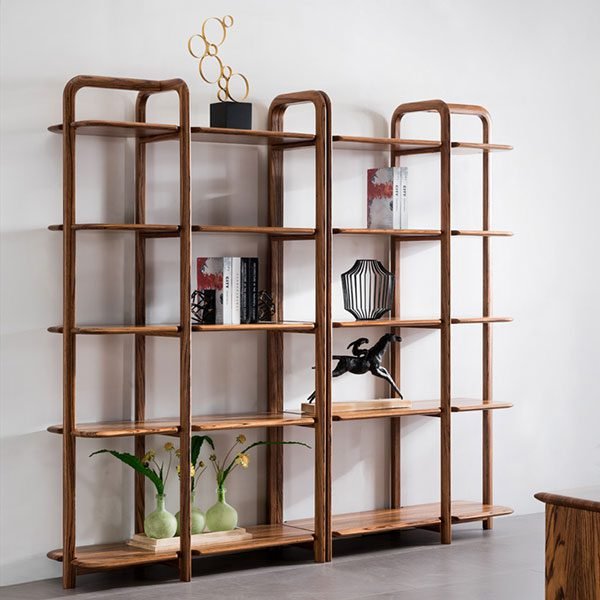
When dealing with a small living room, it’s important to think beyond just the floor space. Utilizing the vertical space in the room can help create a sense of openness and prevent the room from feeling cramped. One way to do this is by incorporating tall furniture pieces, such as bookshelves or cabinets, that draw the eye upward and make the room feel larger.
Another way to use vertical space efficiently is by installing floating shelves on the walls. These shelves not only provide additional storage space but also help to keep the floor area clear, making the room feel more spacious. You can use floating shelves to display decorative items, books, or even plants, adding visual interest to the room while maximizing storage.
In addition to tall furniture pieces and floating shelves, you can also consider hanging curtains close to the ceiling to create the illusion of higher ceilings. This simple trick can make the room feel more open and airy, even in a small space. Opt for light-colored curtains to further enhance the sense of space and brightness in the room.
When arranging large furniture in a small living room, it’s important to consider the scale of the pieces. Choose furniture that fits the proportions of the room and avoid overcrowding the space with oversized pieces. Opt for sleek, streamlined furniture designs that take up less visual space and allow for easy movement around the room.
To further maximize vertical space, consider using multi-functional furniture pieces, such as a storage ottoman or a sofa bed. These pieces not only provide additional seating or storage options but also help to reduce clutter and make the room feel more organized. Look for furniture that serves more than one purpose to make the most of the limited space available.
When arranging large furniture in a small living room, it’s also important to create designated zones for different activities. For example, you can create a cozy reading nook by placing a comfortable armchair and a small side table near a window. By defining specific areas for different activities, you can make the room feel more functional and organized.
In conclusion, using vertical space efficiently is key to arranging large furniture in a small living room. By incorporating tall furniture pieces, floating shelves, and other vertical elements, you can create a sense of openness and maximize storage options in a small space. Remember to choose furniture pieces that are proportionate to the room size and opt for multi-functional pieces to make the most of the available space. With some careful planning and creativity, you can create a stylish and functional living room that feels spacious and inviting, even in a small area.
Заключение
Arrange large furniture in a small living room by measuring the space, choosing furniture that fits the scale of the room, placing larger pieces against the walls, using multifunctional furniture, and keeping pathways clear for easy movement.