“Transform your living space with the perfect furniture arrangement.”
Maximizing Space in a Small Living Room
Arranging furniture in a small living room can be a challenging task. With limited space, it’s important to make the most of every square inch to create a functional and visually appealing layout. By following a few simple tips and tricks, you can maximize the space in your small living room and create a cozy and inviting atmosphere.
One of the first things to consider when arranging furniture in a small living room is the layout of the room itself. Take note of any architectural features, such as windows, doors, and built-in shelving, as well as the location of electrical outlets and light switches. This will help you determine the best placement for your furniture to ensure that it doesn’t obstruct any important features or pathways.
When it comes to seating arrangements, consider using smaller-scale furniture pieces that are proportionate to the size of the room. Opt for armless chairs and sofas with sleek lines to create a more open and airy feel. Position seating around a focal point, such as a fireplace or television, to create a cozy conversation area that encourages interaction.
To maximize space in a small living room, consider using multifunctional furniture pieces that serve more than one purpose. For example, a storage ottoman can double as a coffee table and provide extra seating when needed. A console table with drawers or shelves can be used for both storage and display, while a nesting side table can be easily tucked away when not in use.
When arranging furniture in a small living room, it’s important to leave enough space for traffic flow and to create a sense of balance and harmony. Avoid overcrowding the room with too much furniture, and be mindful of the scale and proportion of each piece. Consider using a rug to anchor the seating area and define the space, but make sure it’s the right size for the room and doesn’t overwhelm the space.
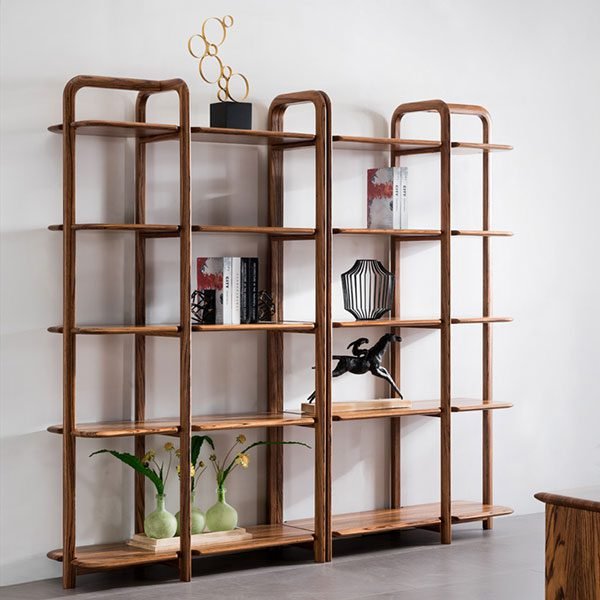
Incorporating vertical storage solutions can also help maximize space in a small living room. Consider using wall-mounted shelves or floating cabinets to free up floor space and keep clutter at bay. Utilize the vertical space above furniture pieces, such as sofas and side tables, to display artwork or decorative items without taking up valuable floor space.
When arranging furniture in a small living room, lighting is key to creating a warm and inviting atmosphere. Consider using a mix of overhead lighting, such as recessed or track lighting, along with task lighting, such as table lamps or floor lamps, to provide adequate illumination for different activities. Use mirrors strategically to reflect light and create the illusion of a larger space.
In conclusion, arranging furniture in a small living room requires careful planning and consideration of the layout, scale, and function of each piece. By following these tips and tricks, you can maximize space in your small living room and create a cozy and inviting environment that is both functional and visually appealing. With a little creativity and ingenuity, you can make the most of your small living room and create a space that feels spacious and welcoming.
Creating a Focal Point with Furniture Arrangement
Arranging furniture in a living room can be a daunting task, but with the right approach, you can create a space that is both functional and visually appealing. One key aspect of furniture arrangement is creating a focal point in the room. A focal point is a central element that draws the eye and anchors the space. It can be a fireplace, a large window, a piece of artwork, or even a statement piece of furniture.
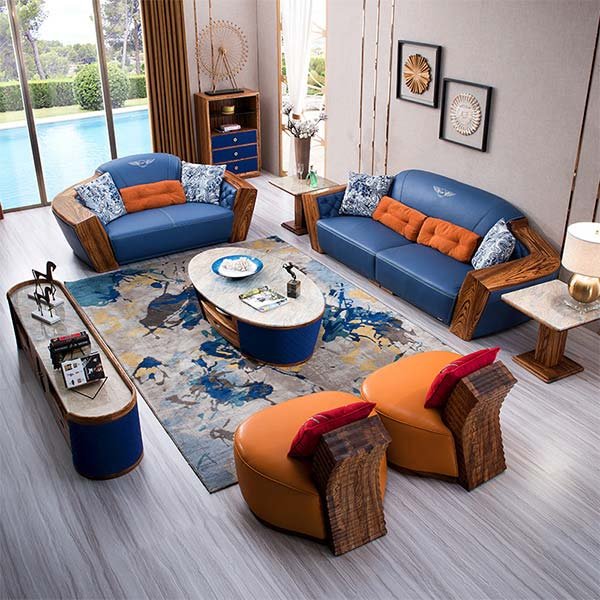
When arranging furniture around a focal point, it’s important to consider the scale and proportion of the room. Start by placing the largest piece of furniture, such as a sofa or a sectional, facing the focal point. This will help to create a sense of balance and symmetry in the room. Next, add additional seating, such as armchairs or accent chairs, around the focal point to create a cozy conversation area.
To further enhance the focal point, consider adding accessories such as throw pillows, rugs, and lighting fixtures. These elements can help to tie the room together and create a cohesive look. When selecting accessories, be sure to choose items that complement the style and color scheme of the room.
In addition to creating a focal point, it’s important to consider the flow of traffic in the room. Arrange furniture in a way that allows for easy movement throughout the space. Avoid placing furniture in front of doorways or blocking pathways. Instead, create clear pathways that allow for easy access to all areas of the room.
Another important aspect of furniture arrangement is creating zones within the room. Divide the space into different areas for lounging, dining, and entertaining. This can help to define the function of each area and create a sense of organization in the room. Use area rugs, lighting, and furniture placement to delineate each zone.
When arranging furniture in a living room, it’s also important to consider the placement of electronics and technology. Ensure that there are convenient outlets for lamps, televisions, and other devices. Consider hiding cords and cables to create a clean and clutter-free look.
Finally, don’t be afraid to experiment with different furniture arrangements until you find the perfect layout for your space. Move pieces around, try different configurations, and see what works best for your needs and lifestyle. Remember that furniture arrangement is a personal choice, and what works for one person may not work for another.
In conclusion, creating a focal point with furniture arrangement is an important aspect of designing a living room. By considering scale, proportion, flow of traffic, zones, and technology placement, you can create a space that is both functional and visually appealing. Experiment with different layouts and don’t be afraid to get creative. With the right approach, you can create a living room that is both stylish and comfortable.
Balancing Functionality and Style in Living Room Furniture Layout
Arranging furniture in a living room can be a daunting task. It’s important to strike a balance between functionality and style to create a space that is both comfortable and visually appealing. By following a few key principles, you can achieve a well-designed living room layout that maximizes both form and function.
One of the first things to consider when arranging furniture in a living room is the layout of the space itself. Take note of any architectural features, such as windows, doors, and built-in shelving, as well as the location of electrical outlets and light switches. This will help you determine the best placement for your furniture to ensure that it is both functional and aesthetically pleasing.
When arranging furniture, it’s important to create a focal point in the room. This could be a fireplace, a large window with a view, or a piece of artwork. Arrange your furniture around this focal point to create a sense of balance and harmony in the room. For example, if you have a fireplace, consider placing your sofa and chairs facing it to create a cozy seating area.
Another key principle to keep in mind when arranging furniture in a living room is the concept of traffic flow. Make sure there is enough space between pieces of furniture to allow for easy movement throughout the room. Avoid placing furniture in high-traffic areas, such as in front of doorways or pathways, as this can disrupt the flow of the room and make it feel cramped.
When it comes to choosing the right furniture for your living room, consider the scale and proportion of the pieces. Large, bulky furniture can overwhelm a small space, while small, delicate pieces can get lost in a large room. Make sure that the scale of your furniture is appropriate for the size of the room and that there is a good balance between larger and smaller pieces.
In terms of style, consider the overall aesthetic of your living room when choosing furniture. If you have a modern, minimalist style, opt for sleek, streamlined pieces with clean lines. If you prefer a more traditional look, choose furniture with classic details and rich, warm finishes. Mixing different styles and textures can add visual interest to the room, but be sure to maintain a cohesive color palette to tie everything together.
When arranging furniture in a living room, don’t be afraid to experiment with different layouts until you find one that works for you. Move pieces around, try different configurations, and see how they affect the overall look and feel of the room. Remember that the goal is to create a space that is both functional and stylish, so don’t be afraid to think outside the box and get creative with your furniture arrangement.
In conclusion, arranging furniture in a living room is all about finding the right balance between functionality and style. By considering the layout of the space, creating a focal point, ensuring good traffic flow, choosing the right scale and proportion of furniture, and staying true to your personal style, you can create a well-designed living room that is both comfortable and visually appealing. Experiment with different layouts, have fun with the process, and don’t be afraid to make changes until you find the perfect arrangement for your space.
Conclusion
When arranging furniture in a living room, consider the flow of traffic, the focal point of the room, and the function of each piece of furniture. Make sure there is enough space for people to move around comfortably and that the furniture is arranged in a way that promotes conversation and interaction. Additionally, consider the scale and proportion of the furniture in relation to the size of the room. By carefully planning and arranging furniture in a living room, you can create a functional and inviting space for relaxing and entertaining.