“Make the most of every corner with creative furniture placement!”
Utilize multifunctional furniture
Arranging furniture in an awkward living room can be a challenging task. However, with the right approach and some creativity, you can make the most out of the space you have. One way to maximize space in a small or awkward living room is to utilize multifunctional furniture.
Multifunctional furniture is a great solution for small spaces because it serves more than one purpose. For example, a sofa bed can be used as a couch during the day and as a bed for guests at night. This allows you to make the most out of the limited space you have available.
Another option is to use ottomans or coffee tables with storage space. These pieces of furniture not only provide a place to rest your feet or place drinks, but they also offer additional storage for blankets, pillows, or other items that you want to keep out of sight.
When arranging furniture in an awkward living room, it’s important to consider the flow of the room. Make sure there is enough space for people to move around comfortably without bumping into furniture. Placing furniture against the walls can help create more open space in the center of the room.
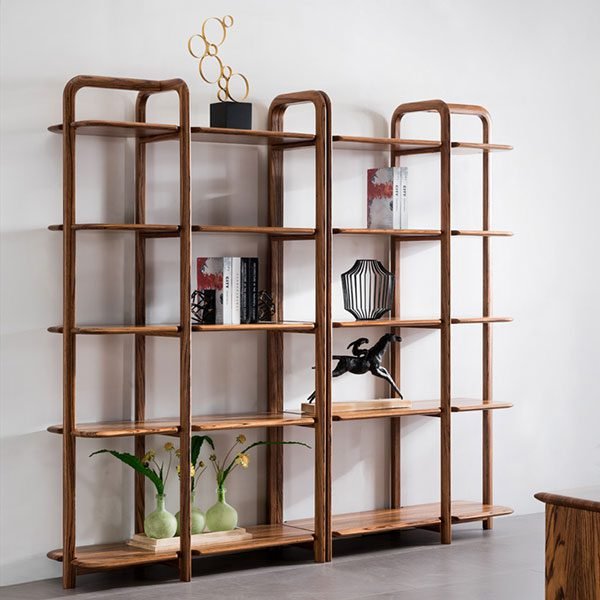
If you have a small living room with limited wall space, consider using floating shelves or wall-mounted storage units to free up floor space. This can help create a more open and airy feel in the room.
In addition to multifunctional furniture, consider using furniture that is visually lightweight. This can help create the illusion of more space in a small or awkward living room. Opt for furniture with legs instead of pieces that sit directly on the floor. This allows light to pass through, making the room feel more spacious.
When arranging furniture in an awkward living room, it’s important to think about the scale of the furniture. Avoid using oversized pieces that overwhelm the space. Instead, opt for furniture that is proportionate to the size of the room. This will help create a balanced and harmonious look.
Incorporating furniture with clean lines and simple designs can also help create a more streamlined and cohesive look in a small or awkward living room. Avoid cluttering the space with too many decorative items or furniture pieces. Instead, focus on a few key pieces that serve a purpose and enhance the overall design of the room.
By utilizing multifunctional furniture, considering the flow of the room, using visually lightweight pieces, and paying attention to scale and design, you can arrange furniture in an awkward living room in a way that maximizes space and creates a functional and stylish living area. With some creativity and thoughtful planning, you can make the most out of any challenging space.
Create zones within the room
Arranging furniture in an awkward living room can be a challenging task, but with some strategic planning, you can create a functional and visually appealing space. One effective way to tackle this challenge is to create zones within the room. By dividing the space into different areas for specific activities, you can make the most of the available space and ensure that each area serves its purpose effectively.
Start by identifying the different activities that you want to accommodate in the room. This could include a seating area for watching TV, a reading nook, a workspace, or a dining area. Once you have a clear idea of the activities you want to incorporate, you can start to plan how to arrange the furniture to create distinct zones for each.
When creating zones within the room, it’s important to consider the flow of traffic and ensure that there is enough space for people to move around comfortably. Avoid placing furniture in a way that blocks pathways or makes it difficult to navigate the room. Instead, arrange the furniture in a way that allows for easy movement between the different zones.
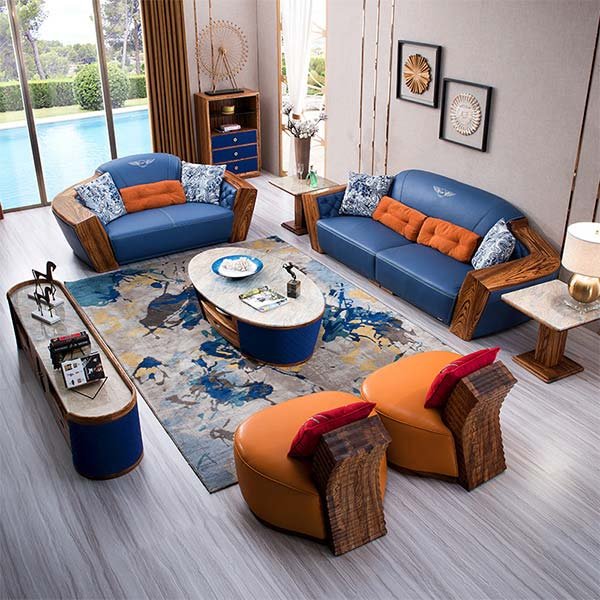
One effective way to create zones within an awkward living room is to use area rugs to define separate areas. Placing a rug under a grouping of furniture can help to visually separate one area from another and create a sense of cohesion within the room. Choose rugs that are large enough to anchor the furniture in each zone and create a sense of unity within the space.
Another way to create zones within the room is to use furniture placement to define different areas. For example, you could place a sofa and a couple of armchairs facing each other to create a seating area for conversation, while placing a desk and chair in a corner could create a workspace. By arranging the furniture in a way that clearly defines each area, you can make the room feel more organized and purposeful.
In addition to creating distinct zones within the room, it’s also important to consider the scale and proportion of the furniture you choose. In a small or awkwardly shaped living room, it’s important to choose furniture that fits the space without overwhelming it. Opt for pieces that are appropriately sized for the room and avoid overcrowding the space with too much furniture.
When arranging furniture in an awkward living room, it’s also important to consider the focal point of the room. This could be a fireplace, a large window, or a TV. Arrange the furniture in each zone so that it is oriented towards the focal point, creating a sense of balance and harmony within the room.
By creating zones within the room, using area rugs to define separate areas, and carefully considering the scale and proportion of the furniture, you can effectively arrange furniture in an awkward living room. With some thoughtful planning and strategic placement, you can create a functional and visually appealing space that meets your needs and makes the most of the available space.
Use rugs to define spaces
Arranging furniture in an awkward living room can be a challenging task. One effective way to make the most of the space is by using rugs to define different areas within the room. Rugs can help create visual boundaries and separate the space into distinct zones, making it easier to arrange furniture in a cohesive and functional way.
When using rugs to define spaces in an awkward living room, it’s important to consider the size and shape of the room, as well as the placement of doors, windows, and other architectural features. Choose rugs that are large enough to anchor the furniture in each area, but be mindful not to overwhelm the space with oversized rugs that can make the room feel cramped.
In an open-concept living room, rugs can be used to delineate the seating area from the dining area or the living area from the workspace. Placing a rug under the coffee table and sofa in the seating area can help create a cozy and inviting space, while a rug under the dining table can define the dining area and add warmth and texture to the room.
To create a cohesive look, choose rugs that complement the existing color scheme and style of the room. Consider using rugs with similar patterns or textures to tie the different areas together and create a harmonious flow throughout the space. Additionally, layering rugs can add depth and visual interest to the room, while also providing extra cushioning and warmth underfoot.
When arranging furniture on rugs, be sure to leave enough space around the edges of the rug to allow for easy movement and traffic flow. Avoid placing furniture half on and half off the rug, as this can create a disjointed and cluttered look. Instead, position the furniture entirely on the rug to create a unified and balanced arrangement.
In a small living room, using rugs to define spaces can help maximize the available square footage and create the illusion of larger, more open space. By strategically placing rugs in key areas, such as under the sofa or coffee table, you can visually expand the room and create a sense of cohesion and harmony.
When selecting rugs for an awkward living room, consider the material, texture, and durability of the rug to ensure it can withstand heavy foot traffic and daily wear and tear. Opt for easy-to-clean materials like wool or synthetic fibers that are stain-resistant and low-maintenance, especially if you have pets or young children.
In conclusion, using rugs to define spaces in an awkward living room is a practical and stylish way to arrange furniture and create a cohesive and functional layout. By carefully selecting rugs that complement the room’s design and layout, you can transform a challenging space into a comfortable and inviting living area that meets your needs and reflects your personal style.
Заключение
Arrange furniture in an awkward living room by creating a focal point, using multifunctional pieces, maximizing vertical space, and keeping traffic flow in mind.