“Maximize space, minimize clutter – arrange big furniture with care!”
Utilize multi-functional furniture
Arranging big furniture in a small living room can be a challenging task. However, with some strategic planning and creative thinking, you can make the most of the space you have. One way to maximize space in a small living room is to utilize multi-functional furniture.
Multi-functional furniture is a great solution for small spaces because it serves more than one purpose. For example, a sofa bed can be used as a couch during the day and as a bed for guests at night. This allows you to have seating and sleeping options without taking up extra space.
Another option is a coffee table with storage. This type of furniture not only provides a surface for drinks and snacks but also offers a place to store books, magazines, and other items that would otherwise clutter the room. By choosing furniture that serves multiple functions, you can free up space and make your living room feel more open and inviting.
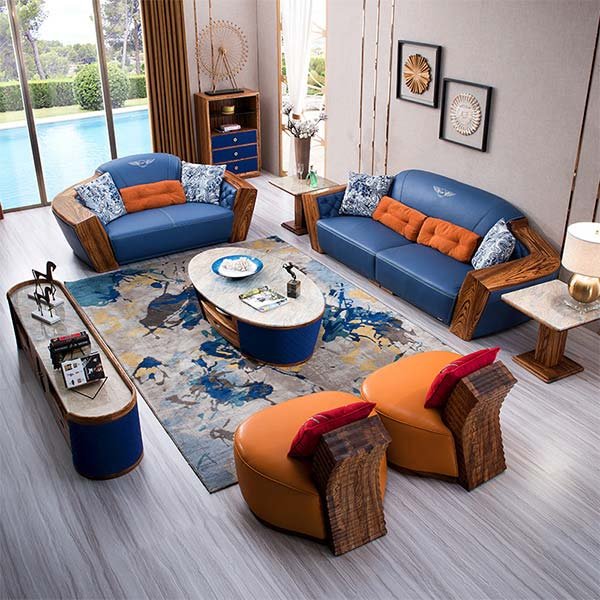
In addition to multi-functional furniture, consider the layout of your living room. Placing furniture against the walls can make the room feel cramped and closed off. Instead, try floating furniture in the center of the room to create a more open and spacious feel. This can also help to define different areas within the room, such as a seating area and a dining area.
When arranging big furniture in a small living room, it’s important to consider scale and proportion. Oversized furniture can overwhelm a small space, making it feel even smaller. Instead, opt for furniture that is appropriately sized for the room. This will help to create a balanced and harmonious look.
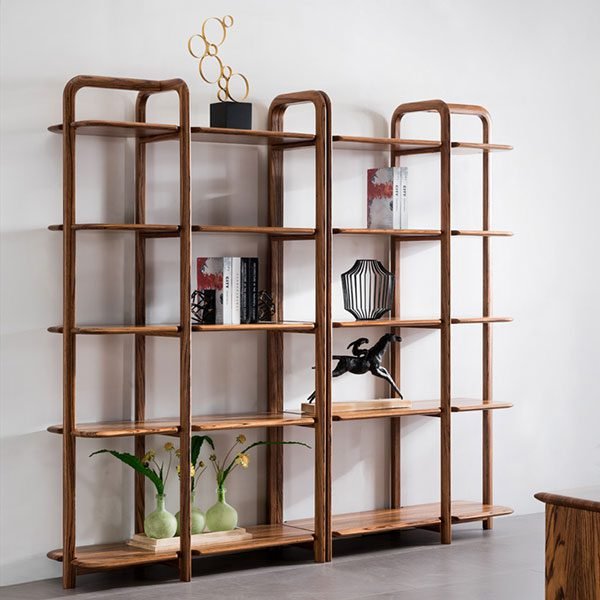
Another tip for arranging big furniture in a small living room is to use vertical space. Wall-mounted shelves, bookcases, and cabinets can provide storage and display space without taking up valuable floor space. This can help to keep the room organized and clutter-free.
When selecting furniture for a small living room, consider pieces with clean lines and a light color palette. This can help to create a sense of airiness and openness in the room. Avoid heavy, dark furniture that can make the space feel closed in.
In conclusion, arranging big furniture in a small living room requires careful planning and consideration. By utilizing multi-functional furniture, creating a thoughtful layout, choosing appropriately sized pieces, and using vertical space, you can make the most of your space and create a stylish and functional living room. With these tips in mind, you can transform your small living room into a cozy and inviting space that meets all of your needs.
Use vertical space effectively
Arranging big furniture in a small living room can be a challenging task. However, with some strategic planning and creativity, you can make the most of the space you have. One effective way to maximize space in a small living room is to use vertical space effectively.
One way to use vertical space effectively is to invest in tall furniture pieces. Instead of opting for wide and bulky furniture, choose taller pieces that draw the eye upward. This will create the illusion of higher ceilings and make the room feel more spacious. Additionally, tall furniture pieces can provide ample storage space without taking up too much floor space.
Another way to use vertical space effectively is to utilize wall-mounted shelves and cabinets. By installing shelves and cabinets on the walls, you can free up valuable floor space and keep the room looking organized. Wall-mounted storage solutions are perfect for displaying decorative items, books, and other belongings without cluttering the room.
In addition to tall furniture pieces and wall-mounted storage solutions, you can also use curtains to create the illusion of height in a small living room. Hang curtains close to the ceiling and let them drape all the way to the floor. This will draw the eye upward and make the room feel taller. Opt for light and airy curtains to keep the space feeling open and bright.
Furthermore, you can use vertical space effectively by incorporating multi-functional furniture pieces. Look for furniture that serves more than one purpose, such as a storage ottoman or a sofa bed. These versatile pieces can help you make the most of limited space while still providing comfort and functionality.
To create a cohesive and visually appealing look in a small living room, consider using a vertical color scheme. Choose paint colors, furniture, and decor items that draw the eye upward. Lighter colors tend to make a room feel more spacious, so opt for neutral tones like white, beige, or light gray. You can add pops of color with accent pieces like throw pillows, rugs, and artwork.
In conclusion, arranging big furniture in a small living room requires careful planning and creativity. By using vertical space effectively, you can make the most of the space you have and create a functional and stylish living area. Invest in tall furniture pieces, utilize wall-mounted storage solutions, use curtains to create height, incorporate multi-functional furniture, and choose a vertical color scheme to make your small living room feel more spacious and inviting. With these tips in mind, you can transform your small living room into a cozy and stylish space that meets all your needs.
Create designated zones within the room
Arranging big furniture in a small living room can be a challenging task. However, with some strategic planning and creativity, you can make the most out of the space you have. One effective way to maximize the functionality of a small living room is to create designated zones within the room.
One way to create designated zones in a small living room is to use area rugs. By placing different rugs in various areas of the room, you can visually separate the space into different zones. For example, you can place a rug under the seating area to define it as a living room, and another rug under a small dining table to create a dining area.
Another way to create designated zones in a small living room is to use furniture placement. By strategically placing furniture, you can create separate areas for different activities. For example, you can place a sofa facing a TV on one side of the room to create a cozy entertainment area, and a small table and chairs on the other side for a dining area.
Additionally, using furniture pieces that serve multiple purposes can help you maximize the functionality of the space. For example, a coffee table with storage can provide extra space for storing items, while a sofa bed can serve as both seating and a sleeping area for guests.
When creating designated zones in a small living room, it’s important to consider the flow of the space. Make sure there is enough room to move around comfortably and that each zone is easily accessible. Avoid placing furniture in a way that blocks pathways or makes the room feel cramped.
In addition to creating designated zones, using light colors and mirrors can help make a small living room feel more spacious. Light colors reflect light and make the room feel brighter and more open, while mirrors can create the illusion of more space by reflecting light and visually expanding the room.
When arranging big furniture in a small living room, it’s important to prioritize functionality and comfort. Choose furniture pieces that are appropriately scaled for the space and that serve your needs. Consider the layout of the room and how you can make the most out of the available space.
In conclusion, creating designated zones within a small living room can help you maximize the functionality of the space and make it feel more organized and cohesive. By using area rugs, furniture placement, and multi-functional furniture pieces, you can create separate areas for different activities while maintaining a sense of flow and openness in the room. With some creativity and strategic planning, you can arrange big furniture in a small living room in a way that is both practical and visually appealing.
Заключение
Arrange big furniture in a small living room by measuring the space, choosing furniture that fits the scale of the room, utilizing multi-functional pieces, and creating a focal point to draw the eye away from the size of the room.