Maximize space with strategic furniture placement in your small living room.
Utilizing Multi-Functional Furniture Pieces
Arranging big furniture in a small living room can be a challenging task. However, with the right approach and some creative thinking, you can make the most of the space you have available. One effective strategy for maximizing space in a small living room is to utilize multi-functional furniture pieces.
Multi-functional furniture pieces are a great way to make the most of limited space in a small living room. These pieces are designed to serve more than one purpose, allowing you to maximize the functionality of your furniture while minimizing the amount of space it takes up. For example, a sofa bed can serve as both a comfortable seating option and a place for guests to sleep when needed. Similarly, a coffee table with built-in storage can provide a place to set drinks and snacks while also offering a convenient spot to store books, magazines, or other items.
When selecting multi-functional furniture pieces for your small living room, it’s important to consider both the size and scale of the pieces. Look for furniture that is appropriately sized for the space you have available, taking care not to overwhelm the room with oversized pieces. Additionally, consider the layout of the room and how the furniture will fit within the space. Be sure to leave enough room for traffic flow and ensure that the furniture does not obstruct doorways or windows.
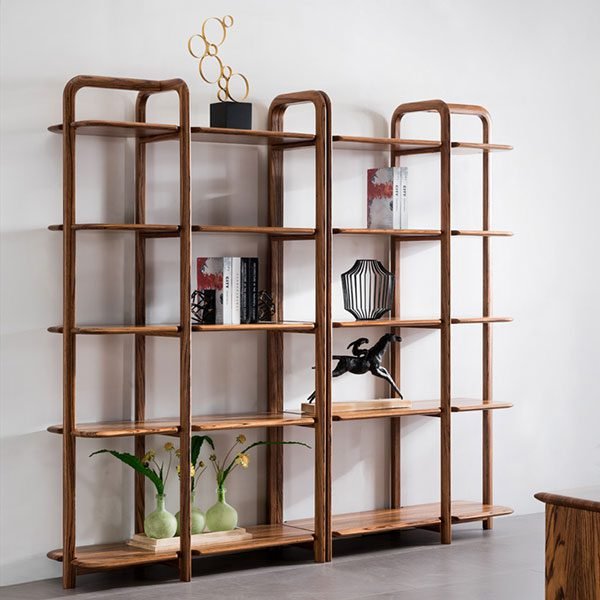
Another important consideration when arranging big furniture in a small living room is to think vertically. Utilizing vertical space can help to maximize storage and create a sense of height in the room. Consider incorporating tall bookcases, shelving units, or wall-mounted cabinets to take advantage of vertical space and keep clutter off the floor. This can help to create a more open and spacious feel in the room, even with larger furniture pieces.
In addition to multi-functional furniture pieces and utilizing vertical space, there are a few other tips to keep in mind when arranging big furniture in a small living room. One effective strategy is to use furniture with legs, as this can create a sense of openness and lightness in the room. Furniture that sits directly on the floor can make the space feel more cramped and closed off, so opting for pieces with legs can help to create a more airy and spacious feel.
Another tip is to consider the placement of your furniture carefully. Think about the flow of the room and how people will move through the space. Arrange furniture in a way that allows for easy traffic flow and conversation, taking care not to block pathways or create obstacles. Additionally, consider the focal point of the room and arrange furniture around it to create a cohesive and inviting space.
In conclusion, arranging big furniture in a small living room can be a challenging task, but with the right approach, it is possible to create a functional and stylish space. By utilizing multi-functional furniture pieces, thinking vertically, and carefully considering the placement of your furniture, you can make the most of the space you have available and create a comfortable and inviting living room that meets your needs.
Creating Zones within the Space
Arranging big furniture in a small living room can be a challenging task. However, with some strategic planning and creativity, you can make the most of your space and create a functional and visually appealing layout. One effective way to maximize space in a small living room is by creating zones within the room. By dividing the room into different areas for specific activities, you can make the space feel more organized and spacious.
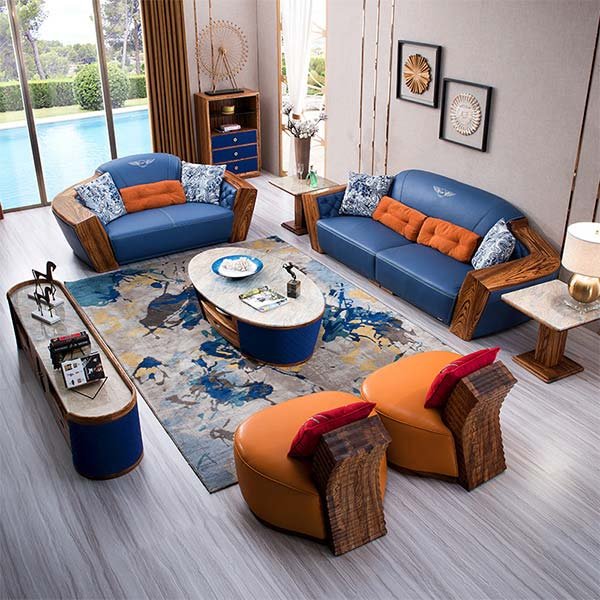
One way to create zones within a small living room is by using area rugs to define different areas. Placing a rug under a grouping of furniture can help visually separate that area from the rest of the room. For example, you could place a rug under a sofa and coffee table to create a seating area, or under a dining table to define a dining area. This simple trick can help to visually divide the room and make it feel more organized.
Another way to create zones within a small living room is by using furniture placement to define different areas. For example, you could place a sofa facing away from the entrance to create a seating area, or position a bookshelf against a wall to create a reading nook. By strategically placing furniture in the room, you can create distinct areas for different activities, such as lounging, dining, or working.
In addition to using area rugs and furniture placement, you can also use lighting to create zones within a small living room. By using different types of lighting, such as overhead lights, floor lamps, and table lamps, you can create a cozy atmosphere in each area of the room. For example, you could use a floor lamp next to a reading chair to create a well-lit reading nook, or install a pendant light above a dining table to define a dining area.
When creating zones within a small living room, it’s important to consider the flow of traffic in the room. Make sure to leave enough space between furniture groupings to allow for easy movement throughout the room. You may also want to consider using furniture with a smaller scale to avoid overcrowding the space. By carefully planning the layout of the room and considering the flow of traffic, you can create a functional and visually appealing space that feels larger than it actually is.
In conclusion, arranging big furniture in a small living room can be a challenging task, but by creating zones within the space, you can make the most of your space and create a functional and visually appealing layout. By using area rugs, furniture placement, and lighting to define different areas within the room, you can create distinct zones for different activities, such as lounging, dining, or working. Remember to consider the flow of traffic in the room and use furniture with a smaller scale to avoid overcrowding the space. With some strategic planning and creativity, you can transform your small living room into a stylish and organized space that meets all of your needs.
Using Vertical Storage Solutions
Arranging big furniture in a small living room can be a challenging task. Limited space can make it difficult to find the right layout that maximizes both functionality and aesthetics. One effective solution to this problem is utilizing vertical storage solutions. By taking advantage of the vertical space in your living room, you can create a more organized and visually appealing environment.
One of the most common vertical storage solutions is installing shelves or bookcases on the walls. This not only provides additional storage space for books, decorative items, and other belongings but also helps to draw the eye upward, making the room feel larger and more spacious. When arranging big furniture in a small living room, it’s important to consider the placement of these shelves or bookcases. They should be strategically positioned to complement the existing furniture and create a cohesive look.
Another vertical storage solution that can help maximize space in a small living room is using tall cabinets or armoires. These pieces of furniture not only provide ample storage space for items such as electronics, DVDs, and board games but also help to create a sense of height in the room. When arranging big furniture in a small living room, consider placing tall cabinets or armoires against a wall to create a focal point and anchor the space.
In addition to shelves, bookcases, and tall cabinets, wall-mounted storage units can also be a great vertical storage solution for a small living room. These units can be customized to fit your specific storage needs and can be easily installed on the walls to free up floor space. When arranging big furniture in a small living room, consider incorporating wall-mounted storage units to keep clutter at bay and create a more streamlined look.
When using vertical storage solutions in a small living room, it’s important to consider the overall aesthetic of the space. Choose storage units that complement the existing furniture and decor to create a cohesive look. Additionally, consider the placement of these units to ensure they do not overwhelm the room or make it feel cramped. By carefully selecting and arranging vertical storage solutions, you can create a more organized and visually appealing living room that maximizes space and functionality.
In conclusion, arranging big furniture in a small living room can be a challenging task, but utilizing vertical storage solutions can help make the most of limited space. By incorporating shelves, bookcases, tall cabinets, and wall-mounted storage units, you can create a more organized and visually appealing environment that maximizes both functionality and aesthetics. When arranging big furniture in a small living room, consider the placement of these vertical storage solutions to create a cohesive look that complements the existing furniture and decor. With careful planning and consideration, you can create a stylish and functional living room that makes the most of every inch of space.
Conclusion
When arranging big furniture in a small living room, it is important to consider the layout and flow of the space. Start by measuring the room and the furniture to ensure everything will fit properly. Place larger pieces against the walls to maximize floor space and create a more open feel. Consider using multi-functional furniture, such as a sofa bed or ottoman with storage, to maximize space. Don’t overcrowd the room with too much furniture, and leave pathways clear for easy movement. Overall, the key is to prioritize functionality and comfort while making the most of the available space.