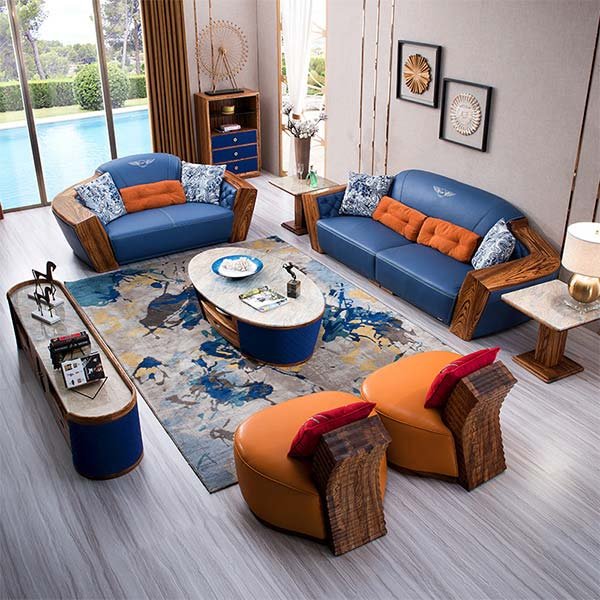
“Maximize space with strategic placement of oversized pieces in a small living room.”
Utilizing Multi-Functional Furniture Pieces
Arranging a small living room with big furniture can be a challenging task. However, with the right approach and some creative thinking, you can make the most of the space you have. One effective strategy is to utilize multi-functional furniture pieces. These versatile items can serve multiple purposes, helping you maximize both space and functionality in your living room.
One of the key benefits of multi-functional furniture is that it allows you to make the most of limited space. For example, a sofa bed can serve as both seating during the day and a bed for overnight guests. This can be particularly useful in a small living room where space is at a premium. By choosing furniture that can perform double duty, you can free up valuable floor space and create a more open and inviting environment.
Another advantage of multi-functional furniture is that it can help you stay organized. Many pieces come with built-in storage options, such as hidden compartments or drawers. This can be a great way to keep clutter at bay and maintain a tidy living room. By choosing furniture that offers storage solutions, you can make the most of every inch of space and ensure that your living room remains functional and organized.
When arranging a small living room with big furniture, it’s important to consider the scale and proportion of each piece. Large furniture items can easily overwhelm a small space, making it feel cramped and crowded. To avoid this, opt for furniture that is appropriately sized for the room. Look for pieces that are compact and streamlined, with clean lines and minimalistic designs. This will help create a sense of balance and harmony in your living room, making it feel more spacious and inviting.
In addition to choosing the right furniture pieces, it’s also important to consider the layout of your living room. When arranging big furniture in a small space, it’s crucial to think about traffic flow and how people will move through the room. Make sure to leave enough space between furniture items to allow for easy movement and access. Consider creating distinct zones within the room, such as a seating area and a dining area, to help define the space and make it feel more organized.
One effective way to arrange big furniture in a small living room is to create a focal point. This could be a fireplace, a large piece of artwork, or a statement piece of furniture. By drawing attention to a focal point, you can help anchor the room and create a sense of cohesion. Arrange your furniture around this focal point to create a harmonious and visually appealing layout.
In conclusion, arranging a small living room with big furniture doesn’t have to be a daunting task. By utilizing multi-functional furniture pieces, you can make the most of your space and create a functional and stylish living room. Consider the scale and proportion of each piece, think about traffic flow and layout, and create a focal point to tie the room together. With some careful planning and creative thinking, you can transform your small living room into a cozy and inviting space that meets all your needs.
Creating Zones within the Space
Arranging a small living room with big furniture can be a challenging task, but with some strategic planning and creativity, you can make the most of your space. One effective way to maximize the functionality of a small living room with large furniture is to create distinct zones within the space. By dividing the room into different areas for specific activities, you can make the room feel more organized and spacious.
One way to create zones within a small living room is to use furniture placement to define different areas. For example, you can use a large sofa or sectional to create a seating area, while a coffee table or area rug can help define the space. By arranging the furniture in a way that separates the seating area from the rest of the room, you can create a cozy and inviting space for relaxing and entertaining.
Another way to create zones within a small living room is to use decorative elements such as rugs, curtains, or room dividers. By using these items to visually separate different areas of the room, you can create a sense of flow and cohesion while still maintaining distinct zones for different activities. For example, you can use a rug to define a reading nook or a curtain to create a private workspace within the room.
In addition to using furniture placement and decorative elements, you can also create zones within a small living room by using lighting to highlight different areas of the space. By strategically placing lamps or overhead lights in specific areas, you can draw attention to different zones within the room and create a sense of depth and dimension. For example, you can use a floor lamp to illuminate a cozy reading corner or a pendant light to highlight a dining area.
When creating zones within a small living room, it’s important to consider the flow of traffic and how people will move through the space. Make sure to leave enough space between furniture pieces to allow for easy movement and avoid creating cramped or cluttered areas. Additionally, consider the scale and proportion of the furniture in relation to the size of the room to ensure that each zone feels balanced and harmonious.
By creating distinct zones within a small living room with big furniture, you can make the most of your space and create a functional and stylish environment. Whether you’re looking to create a cozy seating area, a dedicated workspace, or a dining nook, there are many ways to divide the room into different areas for specific activities. With some creativity and strategic planning, you can transform your small living room into a multifunctional space that meets your needs and reflects your personal style.
Opting for Lighter Color Schemes
Arranging a small living room with big furniture can be a challenging task. However, with the right strategies and techniques, you can create a functional and visually appealing space that maximizes the available square footage. One effective way to make a small living room feel more spacious is by opting for lighter color schemes.
Lighter colors have the ability to reflect light and create a sense of openness in a room. When it comes to choosing a color scheme for a small living room with big furniture, consider using light neutrals such as white, cream, beige, or light gray. These colors will help to brighten up the space and make it feel larger and more inviting.
In addition to the walls, consider incorporating lighter colors in your furniture and decor choices. For example, choose a light-colored sofa or armchair to create a sense of airiness in the room. You can also add pops of color with throw pillows, rugs, and artwork to create visual interest without overwhelming the space.
Another important aspect to consider when arranging a small living room with big furniture is the layout. To make the most of the available space, consider placing larger pieces of furniture against the walls to create a more open and spacious feel. This will help to maximize the floor space and prevent the room from feeling cramped.
When arranging furniture in a small living room, it’s important to create a sense of balance and flow. Avoid overcrowding the space with too many pieces of furniture, as this can make the room feel cluttered and overwhelming. Instead, focus on creating a cohesive and harmonious layout that allows for easy movement and conversation.
One effective way to create balance in a small living room with big furniture is by using a mix of different furniture styles and sizes. For example, pair a large sectional sofa with a smaller armchair and a sleek coffee table to create a visually interesting and dynamic space. This will help to create a sense of depth and dimension in the room, making it feel more spacious and inviting.
In addition to furniture placement, consider incorporating multifunctional pieces into your small living room design. For example, opt for a storage ottoman that can double as a coffee table or extra seating, or choose a console table with built-in storage to maximize space and reduce clutter.
Overall, arranging a small living room with big furniture requires careful planning and consideration. By opting for lighter color schemes, creating a balanced layout, and incorporating multifunctional pieces, you can create a functional and visually appealing space that maximizes the available square footage. With the right strategies and techniques, you can transform your small living room into a stylish and inviting retreat for you and your guests to enjoy.
Conclusion
When arranging a small living room with big furniture, it is important to consider the layout and placement of the furniture to maximize space and create a functional and visually appealing design. Some tips for arranging a small living room with big furniture include:
1. Choose furniture that is appropriately scaled for the space
2. Use multifunctional furniture pieces
3. Create a focal point
4. Utilize vertical space
5. Keep pathways clear
By following these tips, you can create a cozy and inviting living room that makes the most of your big furniture in a small space.