“Less is more: finding the perfect balance for your living room furniture.”
Optimal Furniture Arrangement for a Spacious Living Room
When it comes to furnishing a living room, striking the right balance between functionality and aesthetics is crucial. While it may be tempting to fill every corner with furniture, it’s important to consider how much is too much. Overcrowding a living room with furniture can make the space feel cramped and cluttered, detracting from its overall appeal. Finding the optimal furniture arrangement for a spacious living room involves careful planning and consideration of various factors.
One key consideration when determining how much furniture is too much for a living room is the size of the space. A large living room can accommodate more furniture than a smaller one, but it’s still important to avoid overcrowding. A good rule of thumb is to leave enough space for people to move around comfortably without feeling cramped. This can help create a more inviting and functional living room that is conducive to relaxation and socializing.
Another factor to consider when deciding how much furniture is too much for a living room is the purpose of the space. If the living room is primarily used for entertaining guests, it may be necessary to have more seating options, such as sofas, armchairs, and ottomans. However, if the living room is primarily used for relaxing and watching TV, a more minimalist approach may be appropriate. Consider the activities that will take place in the living room and choose furniture that supports those activities while maintaining a sense of balance and harmony.
In addition to considering the size of the space and its intended use, it’s also important to think about the style and design of the furniture. Mixing and matching different styles and types of furniture can create visual interest and add personality to a living room. However, it’s important to avoid overloading the space with too many different pieces that clash or compete for attention. Instead, choose a cohesive color palette and design aesthetic that ties the room together and creates a sense of unity.
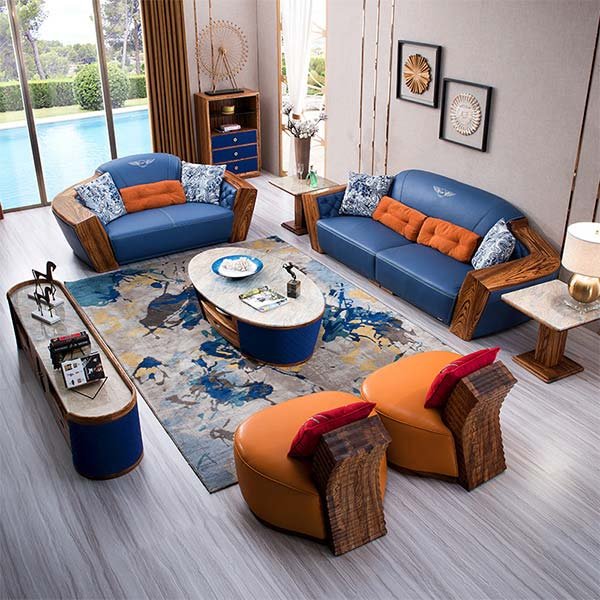
When arranging furniture in a spacious living room, it’s important to create distinct zones for different activities. For example, a seating area for conversation and relaxation can be separated from a TV viewing area by positioning furniture strategically. This can help define the purpose of each area and create a more organized and functional layout. Consider the flow of traffic in the room and arrange furniture in a way that allows for easy movement between different areas.
Ultimately, the key to finding the optimal furniture arrangement for a spacious living room is to strike a balance between functionality and aesthetics. Avoid overcrowding the space with too much furniture, and instead focus on creating a harmonious and inviting environment that supports the activities that will take place in the room. By carefully considering the size of the space, its intended use, and the style of the furniture, you can create a living room that is both practical and visually appealing. Remember, less is often more when it comes to furnishing a living room, so don’t be afraid to edit and simplify your furniture arrangement to create a more spacious and inviting environment.
Signs You Have Too Much Furniture in Your Living Room
When it comes to decorating your living room, finding the right balance of furniture can be a challenge. While you want to create a comfortable and inviting space for yourself and your guests, it’s important not to overcrowd the room with too many pieces. Having too much furniture in your living room can make the space feel cramped and cluttered, and can even affect the flow and functionality of the room. In this article, we will discuss some signs that indicate you may have too much furniture in your living room.
One of the first signs that you have too much furniture in your living room is that there is limited walking space. If you find yourself having to navigate around furniture to move from one side of the room to the other, it’s a clear indication that there are too many pieces in the space. Limited walking space can make the room feel cramped and can also create obstacles that make it difficult to move freely.
Another sign that you have too much furniture in your living room is that the room feels cluttered and disorganized. If there are too many pieces of furniture in the room, it can be challenging to keep the space tidy and organized. Clutter can make the room feel chaotic and can detract from the overall aesthetic of the space. If you find yourself constantly rearranging furniture to make the room feel more open and organized, it may be time to consider removing some pieces.
Additionally, having too much furniture in your living room can affect the flow and functionality of the space. If there are too many pieces in the room, it can be difficult to create designated areas for different activities, such as watching TV, reading, or entertaining guests. A room that is overcrowded with furniture can feel disjointed and can make it challenging to use the space effectively. It’s important to consider the function of each piece of furniture in the room and to ensure that it serves a purpose and enhances the overall design of the space.
One final sign that you have too much furniture in your living room is that the room feels visually overwhelming. If there are too many pieces of furniture in the space, it can be difficult for the eye to focus on any one element. This can make the room feel cluttered and can detract from the overall design of the space. To create a visually appealing living room, it’s important to carefully consider the placement and arrangement of furniture to ensure that the room feels balanced and cohesive.
In conclusion, having too much furniture in your living room can have a negative impact on the overall look and feel of the space. Signs that indicate you may have too much furniture in your living room include limited walking space, a cluttered and disorganized feel, a lack of flow and functionality, and a visually overwhelming design. If you notice any of these signs in your living room, it may be time to consider removing some pieces to create a more open and inviting space. By carefully curating the furniture in your living room, you can create a comfortable and stylish space that is both functional and visually appealing.
Minimalist Living Room Design: Less is More
When it comes to designing a living room, one of the key considerations is how much furniture to include in the space. While it can be tempting to fill every corner with seating, tables, and storage units, the truth is that less is often more when it comes to creating a minimalist living room design.
One of the main reasons to limit the amount of furniture in your living room is to create a sense of openness and flow. A room that is cluttered with too many pieces of furniture can feel cramped and overwhelming, making it difficult to relax and enjoy the space. By keeping the furniture to a minimum, you can create a more spacious and inviting atmosphere that is conducive to both socializing and relaxation.
Another benefit of having less furniture in your living room is that it can help to highlight the pieces that you do have. When there are fewer items competing for attention, each piece can stand out and make a statement. This can be particularly effective if you have invested in high-quality furniture that you want to showcase.
In addition to creating a sense of openness and highlighting your furniture, having less furniture in your living room can also make it easier to keep the space clean and organized. With fewer pieces to dust, vacuum around, and rearrange, you can spend less time on maintenance and more time enjoying your living room.
Of course, the question then becomes: how much is too much furniture in a living room? While there is no one-size-fits-all answer to this question, there are a few guidelines that can help you determine the right amount of furniture for your space.
One rule of thumb is to leave enough space for people to move around comfortably. This means ensuring that there is a clear path from one end of the room to the other, as well as enough space for people to sit down and stand up without bumping into furniture. If your living room feels cramped or crowded, it may be a sign that you have too much furniture in the space.
Another guideline to consider is the scale of the furniture in relation to the size of the room. Large, bulky pieces can overwhelm a small space, while too many small pieces can make a large room feel cluttered. It’s important to strike a balance between having enough seating and storage options and ensuring that the furniture fits the scale of the room.
Ultimately, the amount of furniture that is right for your living room will depend on your personal preferences and lifestyle. If you enjoy having a cozy, intimate space with lots of seating options, you may choose to include more furniture in your living room. On the other hand, if you prefer a more minimalist and open feel, you may opt for a more pared-down approach.
In conclusion, when it comes to designing a living room, less is often more. By limiting the amount of furniture in your space, you can create a more open and inviting atmosphere, highlight your favorite pieces, and make it easier to keep the room clean and organized. Whether you prefer a cozy and cluttered look or a minimalist and streamlined design, finding the right balance of furniture for your living room is key to creating a space that is both functional and beautiful.
Conclusion
Having too much furniture in a living room can make the space feel cluttered and cramped. It is important to strike a balance between functionality and aesthetics when furnishing a living room. Ultimately, the right amount of furniture will depend on the size of the room and the individual’s personal preferences.