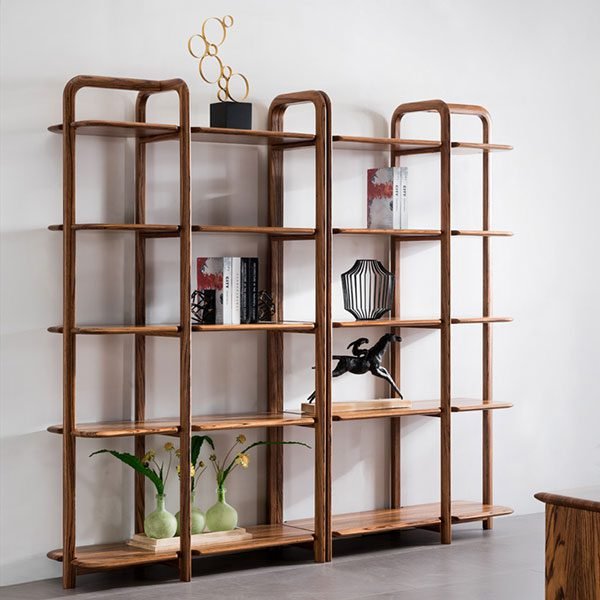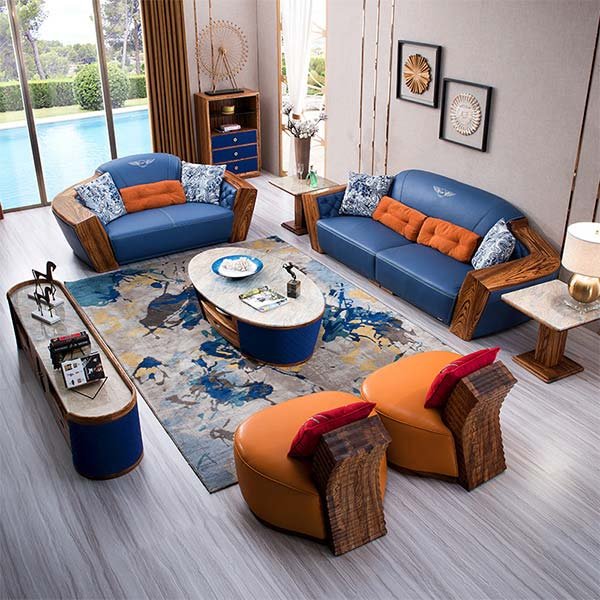
“Less is more: Keep your living room clutter-free with just the right amount of furniture.”
Optimal Furniture Arrangement for Small Living Rooms
When it comes to furnishing a living room, one of the most common questions that homeowners face is how much furniture should be in the space. This is especially true for those with small living rooms, where every piece of furniture counts. Finding the right balance between functionality and aesthetics is key to creating a comfortable and inviting living room that doesn’t feel cramped or cluttered.
One of the first things to consider when determining how much furniture to include in a small living room is the size of the space. It’s important to measure the dimensions of the room and take note of any architectural features, such as windows, doors, and built-in shelving, that may impact the layout of the furniture. This will help you determine how much space you have to work with and how to best utilize it.
In general, it’s best to keep the furniture in a small living room to a minimum to avoid overcrowding the space. This means opting for smaller-scale pieces that are proportionate to the size of the room. For example, instead of a large sectional sofa, consider a smaller loveseat or a pair of armchairs. Similarly, choose a coffee table that is appropriately sized for the room and doesn’t overwhelm the space.
When arranging furniture in a small living room, it’s important to create a sense of balance and flow. This can be achieved by arranging the furniture in a way that allows for easy movement throughout the room and doesn’t block any natural pathways. Consider placing the largest piece of furniture, such as a sofa or sectional, against a wall to maximize floor space and create a more open feel.
In addition to the size and layout of the furniture, it’s also important to consider the function of the space. Think about how you and your family will use the living room on a daily basis and choose furniture that meets those needs. For example, if you enjoy entertaining guests, consider adding extra seating options, such as ottomans or poufs, that can be easily moved around as needed.
Another factor to consider when determining how much furniture to include in a small living room is storage. In a small space, it’s important to maximize storage options to keep clutter at bay and maintain a clean and organized look. Look for furniture pieces that offer built-in storage, such as coffee tables with drawers or ottomans with hidden compartments, to help keep the room tidy.
Ultimately, the amount of furniture you should include in a small living room will depend on your personal preferences and lifestyle. It’s important to strike a balance between functionality and aesthetics to create a space that is both comfortable and visually appealing. By carefully considering the size of the room, the layout of the furniture, and the function of the space, you can create a cozy and inviting living room that feels just right.
Finding the Right Balance: How Much Furniture is Too Much?
When it comes to decorating a living room, finding the right balance of furniture can be a challenging task. Too much furniture can make the space feel cluttered and cramped, while too little furniture can leave the room feeling empty and uninviting. So, how much furniture should be in a living room? The answer to this question depends on a variety of factors, including the size of the room, the layout, and the overall design aesthetic you are trying to achieve.
One of the most important things to consider when determining how much furniture to include in a living room is the size of the space. A small living room will feel overwhelmed if it is filled with too much furniture, while a large living room may feel sparse if there is not enough furniture to fill the space. It is important to strike a balance between having enough furniture to create a cozy and inviting atmosphere, without overcrowding the room.
Another factor to consider when deciding how much furniture to include in a living room is the layout of the space. If the room has an open floor plan, you may need to use furniture to define different areas within the room, such as a seating area, a dining area, and a workspace. In this case, it is important to choose furniture that is appropriately scaled for each area and that allows for easy traffic flow throughout the room.
The overall design aesthetic of the room is also an important consideration when determining how much furniture to include. If you prefer a minimalist look, you may want to keep the furniture to a minimum and focus on incorporating a few key pieces that make a statement. On the other hand, if you prefer a more traditional or eclectic style, you may choose to include more furniture to create a layered and visually interesting space.
Transitional phrases can help guide the reader through the article by connecting ideas and moving the discussion forward. For example, when discussing the size of the room, you can transition to the layout by saying, “In addition to the size of the room, the layout also plays a crucial role in determining how much furniture to include.” This helps to smoothly transition from one idea to the next and keeps the reader engaged in the discussion.
In conclusion, finding the right balance of furniture in a living room is essential for creating a space that is both functional and visually appealing. By considering factors such as the size of the room, the layout, and the design aesthetic, you can determine how much furniture to include to achieve the desired look and feel. Remember to strike a balance between having enough furniture to create a cozy atmosphere, without overcrowding the room. With careful planning and consideration, you can create a living room that is both stylish and comfortable for you and your guests to enjoy.
Minimalist Living Room Design: Less is More
When it comes to designing a living room, one of the key considerations is how much furniture to include in the space. While it can be tempting to fill every corner with seating, tables, and storage units, a minimalist approach to living room design can create a more spacious and calming environment. In this article, we will explore the concept of minimalist living room design and discuss how less furniture can actually make a room feel more inviting and functional.
Minimalist design is all about simplicity and functionality. By focusing on the essentials and eliminating unnecessary clutter, a minimalist living room can feel more open and airy. This can be especially beneficial in smaller spaces, where too much furniture can make a room feel cramped and claustrophobic. By carefully selecting a few key pieces of furniture that serve multiple purposes, such as a sofa with built-in storage or a coffee table that doubles as a dining table, you can create a living room that is both stylish and practical.
One of the main benefits of a minimalist living room design is that it allows for better flow and movement within the space. By keeping furniture to a minimum, you can create clear pathways and open up the room for easier navigation. This can be particularly important in homes with children or pets, where a cluttered living room can pose safety hazards. By choosing furniture that is sleek and streamlined, you can create a more harmonious and balanced environment that is conducive to relaxation and socializing.
Another advantage of minimalist living room design is that it can help to reduce visual clutter and create a more cohesive and harmonious aesthetic. By choosing furniture in neutral colors and simple, clean lines, you can create a timeless and elegant look that will never go out of style. This can be especially beneficial if you like to change up your decor frequently, as minimalist furniture can easily be paired with different accessories and accents to create a fresh new look.
Of course, the key to successful minimalist living room design is striking the right balance between functionality and aesthetics. While it is important to keep furniture to a minimum, you also want to ensure that the pieces you choose are comfortable and practical. For example, a sofa that is too small or uncomfortable will not be conducive to relaxation, no matter how stylish it may be. Similarly, a coffee table that is too large or cumbersome can make it difficult to move around the room and can detract from the overall design.
In conclusion, when it comes to designing a living room, less is often more. By embracing a minimalist approach to furniture selection and layout, you can create a space that is both stylish and functional. By carefully choosing a few key pieces of furniture that serve multiple purposes and keeping visual clutter to a minimum, you can create a living room that is inviting, spacious, and harmonious. So, the next time you are considering how much furniture to include in your living room, remember that sometimes less really is more.
Conclusion
The amount of furniture in a living room should be enough to create a comfortable and functional space, without overcrowding the room. It is important to strike a balance between having enough seating and storage options, while still allowing for easy movement and a visually appealing layout. Ultimately, the right amount of furniture will depend on the size and layout of the room, as well as the individual preferences and needs of the occupants.