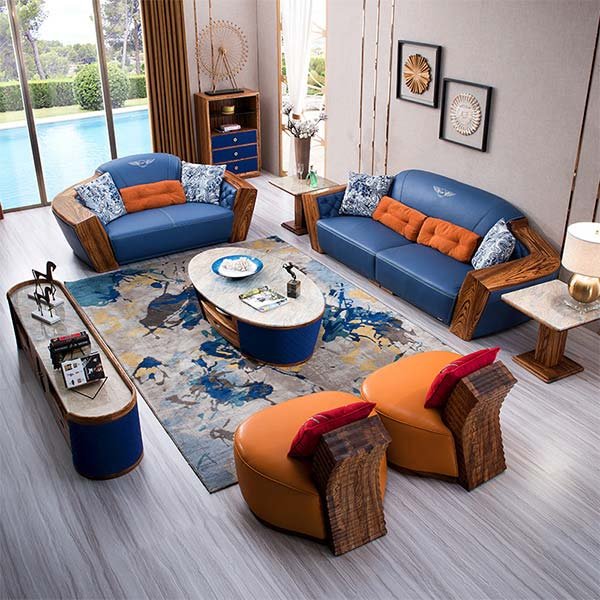
“Transform your living room into a cozy oasis with our stylish furniture collection.”
Stylish Ways to Maximize Space in a Small Living Room
When it comes to decorating a small living room, one of the biggest challenges is figuring out how much furniture to include in the space. Too much furniture can make the room feel cramped and cluttered, while too little furniture can leave the room feeling empty and uninviting. Finding the right balance is key to creating a stylish and functional living room that maximizes the available space.
One of the first things to consider when determining how much furniture to include in a small living room is the size of the room itself. Measure the dimensions of the room and take note of any architectural features, such as windows, doors, and built-in shelving, that may impact the layout of the furniture. This will help you determine how much space you have to work with and how best to arrange the furniture to make the most of the available space.
When it comes to seating, consider opting for a small sofa or loveseat rather than a large sectional. A smaller sofa will take up less space and allow for more flexibility in arranging the rest of the furniture in the room. If space is really tight, consider using a combination of chairs and ottomans instead of a traditional sofa to provide seating for guests.
In addition to seating, consider the other pieces of furniture you will need in the living room, such as a coffee table, side tables, and storage solutions. Choose furniture that is appropriately scaled for the size of the room and that serves a dual purpose, such as a coffee table with built-in storage or a side table with a shelf for books or magazines. This will help maximize the functionality of the space without adding unnecessary clutter.
When arranging the furniture in a small living room, consider the flow of traffic through the room and how people will move around the space. Leave enough space between furniture pieces to allow for easy movement and ensure that there is a clear path from one area of the room to another. Consider placing furniture against the walls to open up the center of the room and create a more spacious feel.
In addition to the furniture itself, consider the use of color, texture, and accessories to maximize the space in a small living room. Lighter colors can help make the room feel larger and more open, while mirrors can reflect light and create the illusion of more space. Use rugs, throw pillows, and other accessories to add texture and visual interest to the room without overwhelming the space with too many decorative elements.
Ultimately, the key to maximizing space in a small living room is to carefully consider the size and scale of the furniture, the layout of the room, and the use of color, texture, and accessories. By finding the right balance between style and functionality, you can create a stylish and inviting living room that makes the most of the available space.
The Impact of Furniture Arrangement on the Atmosphere of Your Living Room
When it comes to designing your living room, the arrangement of furniture plays a crucial role in setting the atmosphere of the space. The amount of furniture you choose to include in your living room can greatly impact the overall feel and functionality of the room.
One of the key factors to consider when deciding how much furniture to include in your living room is the size of the space. A small living room may feel cramped and cluttered if it is filled with too much furniture, while a large living room may feel empty and uninviting if it lacks enough furniture to fill the space. It is important to strike a balance between having enough furniture to create a cozy and functional space, without overcrowding the room.
Another consideration when determining how much furniture to include in your living room is the layout of the room. The arrangement of furniture can greatly affect the flow of the space and how people interact within it. For example, placing a sofa and chairs around a coffee table creates a cozy conversation area, while positioning furniture against the walls can make the room feel more open and spacious. It is important to consider how you will use the space and arrange the furniture in a way that best suits your needs.
In addition to the size and layout of the room, the style of furniture you choose can also impact the atmosphere of your living room. Modern, minimalist furniture can create a sleek and contemporary feel, while traditional, ornate furniture can give the room a more classic and elegant look. It is important to choose furniture that complements the overall style of your home and creates a cohesive design aesthetic.
When deciding how much furniture to include in your living room, it is also important to consider the functionality of the space. Think about how you will use the room on a daily basis and what activities you will be doing in the space. If you enjoy entertaining guests, you may want to include extra seating options such as a sectional sofa or additional chairs. If you use the room primarily for relaxing and watching TV, a comfortable sofa and recliner may be all you need.
Ultimately, the amount of furniture you choose to include in your living room should be based on your personal preferences and how you plan to use the space. It is important to create a balance between having enough furniture to make the room feel cozy and inviting, without overcrowding the space. By carefully considering the size, layout, style, and functionality of the room, you can create a living room that is both beautiful and functional.
How to Choose the Right Size and Style of Furniture for Your Living Room
When it comes to furnishing your living room, one of the most important considerations is the size and style of the furniture you choose. The right furniture can make a significant impact on the overall look and feel of the room, so it’s essential to choose wisely. But how much furniture should you have in your living room, and how do you determine the right size and style for your space?
First and foremost, it’s important to consider the size of your living room when choosing furniture. A small living room will require less furniture to avoid feeling cramped, while a larger living room can accommodate more pieces. It’s essential to measure your space carefully and consider the layout of the room before purchasing furniture to ensure that it fits properly and allows for easy movement throughout the space.
In terms of style, it’s important to consider the overall aesthetic of your living room. Are you going for a modern, minimalist look, or do you prefer a more traditional, cozy feel? The style of your furniture should complement the rest of the room’s decor and create a cohesive look. Consider the color, material, and design of the furniture to ensure that it fits with the overall style of the room.
When it comes to determining how much furniture to have in your living room, it’s essential to strike a balance between functionality and aesthetics. You want to have enough seating for guests and family members while also leaving enough space for movement and flow within the room. Avoid overcrowding the space with too much furniture, as this can make the room feel cluttered and overwhelming.
One way to determine the right amount of furniture for your living room is to create a floor plan. Measure the dimensions of the room and sketch out where you plan to place each piece of furniture. This will give you a visual representation of how the furniture will fit in the space and allow you to make adjustments as needed. Consider the size and scale of each piece of furniture to ensure that it fits properly within the room.
Another important factor to consider when choosing furniture for your living room is the function of the space. Do you use your living room primarily for entertaining guests, or is it a cozy space for relaxing with family? The furniture you choose should reflect how you use the room and provide comfort and functionality for your needs. Consider the types of activities you do in the living room and choose furniture that supports those activities.
In conclusion, choosing the right size and style of furniture for your living room is essential for creating a comfortable and inviting space. Consider the size of your room, the overall style of your decor, and the function of the space when selecting furniture. Create a floor plan to visualize how the furniture will fit in the room and ensure that it allows for easy movement and flow. By carefully considering these factors, you can create a living room that is both stylish and functional.
Conclusion
The amount of furniture in a living room can vary depending on the size of the room and personal preferences. It is important to strike a balance between functionality and aesthetics when deciding on the amount of furniture to include in a living room. Ultimately, the goal is to create a comfortable and inviting space for relaxation and socializing.