“Quality living room furniture should last a lifetime.”
Quality of materials
When it comes to investing in living room furniture, one of the key factors to consider is the quality of materials used in its construction. The longevity of your furniture largely depends on the materials it is made from. High-quality materials will not only ensure durability but also contribute to the overall aesthetic appeal of your living space.
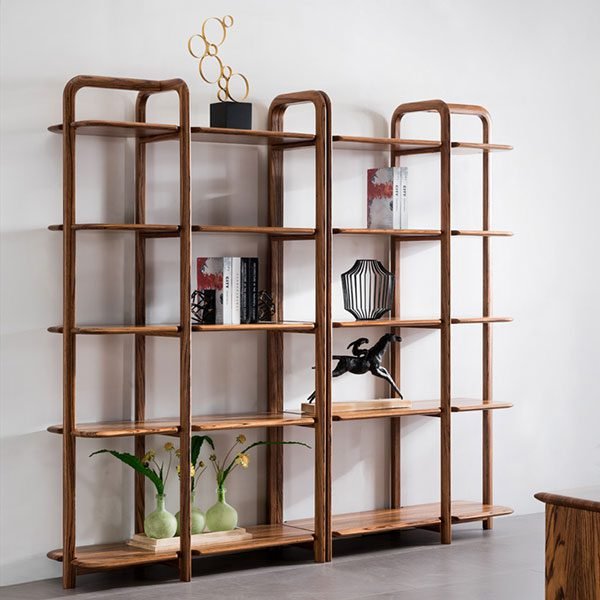
One of the most common materials used in living room furniture is wood. Solid wood, such as oak, mahogany, or teak, is known for its durability and timeless beauty. Furniture made from solid wood can last for decades if properly cared for. It is important to note that solid wood furniture may be more expensive upfront, but the investment is worth it in the long run.
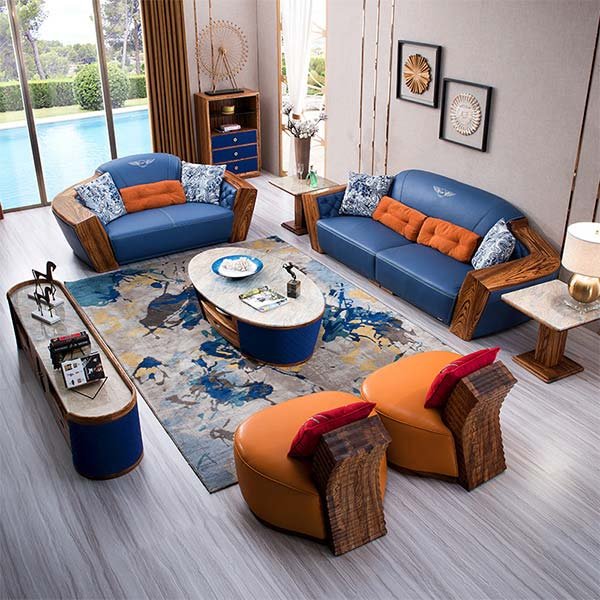
Another popular material for living room furniture is leather. Leather furniture is not only luxurious and stylish but also durable. With proper care and maintenance, leather furniture can last for many years. It is important to keep leather furniture away from direct sunlight and heat sources to prevent drying and cracking.
In addition to wood and leather, upholstery fabric is another important consideration when it comes to the quality of living room furniture. High-quality upholstery fabric, such as linen, cotton, or wool, is not only comfortable but also durable. It is important to choose a fabric that is easy to clean and maintain, especially if you have children or pets.
When shopping for living room furniture, it is important to pay attention to the construction of the piece. Furniture that is well-constructed with sturdy joints and reinforcements will last longer than furniture that is poorly made. Look for furniture that is made with high-quality materials and craftsmanship to ensure longevity.
In conclusion, the quality of materials used in living room furniture plays a crucial role in determining how long it will last. Investing in furniture made from high-quality materials, such as solid wood, leather, and upholstery fabric, will ensure that your furniture stands the test of time. Remember to choose furniture that is well-constructed and properly cared for to maximize its lifespan. By selecting furniture with quality materials, you can create a stylish and durable living space that will bring you joy for years to come.
Maintenance and care
Living room furniture is an essential part of any home, providing comfort and style to the space where we spend a significant amount of time. However, like any other investment, it requires proper maintenance and care to ensure its longevity. So, how long should living room furniture last?
The lifespan of living room furniture largely depends on the quality of the materials used and how well it is maintained. High-quality furniture made from durable materials such as hardwood, leather, or metal can last for decades if properly cared for. On the other hand, lower-quality furniture made from particleboard or cheap fabrics may only last a few years before showing signs of wear and tear.
To extend the lifespan of your living room furniture, it is important to follow a few simple maintenance and care tips. Regular cleaning is essential to prevent dirt and dust from building up and causing damage to the furniture. Use a soft cloth or vacuum cleaner to remove dust and debris from the surface of the furniture, and avoid using harsh chemicals that can strip away the finish or damage the fabric.
In addition to regular cleaning, it is important to protect your furniture from sunlight, moisture, and extreme temperatures. Direct sunlight can cause fading and discoloration, while moisture can lead to mold and mildew growth. To prevent these issues, place your furniture away from windows or use curtains and blinds to block out the sun. Use a dehumidifier in humid climates to reduce moisture levels, and avoid placing furniture near heaters or air conditioning vents.
Another important aspect of furniture maintenance is to address any issues or damage as soon as they arise. Whether it’s a loose screw, a scratch, or a stain, taking care of these problems promptly can prevent them from worsening and extend the life of your furniture. Keep a repair kit on hand with basic tools and materials to fix minor issues yourself, or hire a professional for more complex repairs.
When it comes to upholstery, regular rotation of cushions and pillows can help distribute wear evenly and prevent sagging or indentations. Fluffing and rotating cushions every few months can help maintain their shape and comfort. For leather furniture, conditioning the leather regularly can prevent drying and cracking, while fabric furniture may benefit from occasional steam cleaning to remove deep-seated dirt and stains.
By following these maintenance and care tips, you can help ensure that your living room furniture lasts for many years to come. Investing in high-quality furniture and taking proper care of it can not only save you money in the long run but also keep your living space looking beautiful and inviting. So, remember to clean, protect, repair, and rotate your furniture regularly to enjoy it for as long as possible.
Style and design trends
Living room furniture is an essential part of any home, providing both functionality and style to the space. When investing in new furniture for your living room, it’s important to consider how long it should last. With the wide range of options available on the market, from budget-friendly pieces to high-end designer furniture, it can be challenging to determine the lifespan of your furniture.
One of the key factors that determine the longevity of living room furniture is the quality of materials used in its construction. High-quality materials such as solid wood, genuine leather, and durable fabrics are more likely to withstand daily wear and tear compared to cheaper alternatives. When shopping for furniture, it’s essential to inspect the materials used and choose pieces that are built to last.
In addition to the quality of materials, the construction and craftsmanship of the furniture also play a significant role in its durability. Furniture that is well-made with sturdy joints, reinforced frames, and high-quality hardware is more likely to stand the test of time. When selecting furniture for your living room, be sure to look for pieces that are expertly crafted and built to withstand years of use.
Another factor to consider when determining the lifespan of living room furniture is the style and design trends. While classic and timeless designs may never go out of style, trendy pieces that are popular today may quickly become outdated. When choosing furniture for your living room, it’s essential to strike a balance between current trends and timeless style to ensure that your furniture remains relevant for years to come.
When it comes to upholstery, the durability of the fabric used can significantly impact the lifespan of your furniture. Stain-resistant fabrics, such as microfiber or leather, are easier to clean and maintain, making them ideal for high-traffic areas like the living room. Additionally, choosing fabrics with a high rub count can help prevent wear and tear over time, ensuring that your furniture looks as good as new for longer.
Proper care and maintenance are also crucial in extending the lifespan of your living room furniture. Regular cleaning, dusting, and polishing can help prevent damage and prolong the life of your furniture. Additionally, rotating cushions, fluffing pillows, and avoiding direct sunlight can help prevent fading and wear, keeping your furniture looking fresh and new for years to come.
In conclusion, the lifespan of living room furniture can vary depending on the quality of materials, construction, design trends, and maintenance. By investing in high-quality pieces, choosing timeless designs, and practicing proper care and maintenance, you can ensure that your furniture lasts for many years. Whether you prefer classic elegance or modern sophistication, selecting durable and well-made furniture is key to creating a stylish and inviting living room that stands the test of time.
Заключение
Living room furniture should last at least 10-15 years with proper care and maintenance.