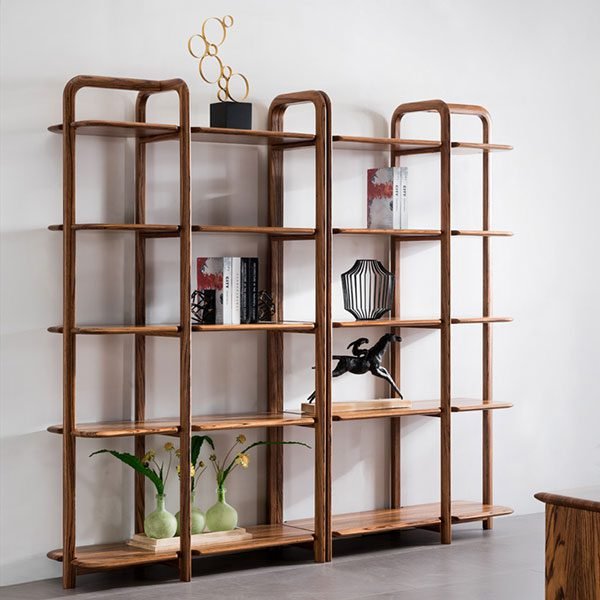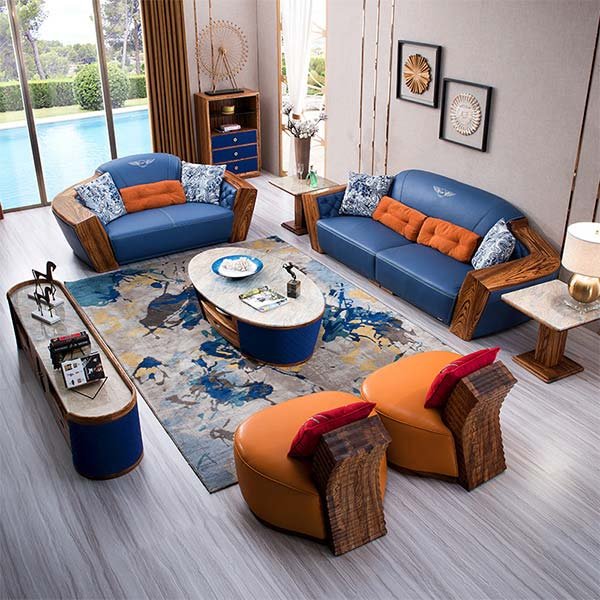
“Quality furniture that stands the test of time.”
Factors Affecting the Lifespan of Living Room Furniture
When it comes to investing in furniture for your living room, you want pieces that will stand the test of time. After all, living room furniture is often a significant investment, and you want to ensure that you get the most out of your purchase. But how long should living room furniture actually last? The lifespan of your living room furniture can be influenced by a variety of factors, from the quality of the materials used to how well you care for and maintain your pieces.
One of the most important factors affecting the lifespan of your living room furniture is the quality of the materials used in its construction. High-quality materials, such as solid wood, top-grain leather, and sturdy metal frames, are more likely to stand up to the wear and tear of daily use than cheaper, lower-quality materials. When shopping for living room furniture, it’s important to look for pieces that are made from durable materials that are built to last.
In addition to the quality of the materials used, the construction of your living room furniture can also impact its lifespan. Furniture that is well-made and constructed with care is more likely to last longer than pieces that are poorly constructed or made with inferior materials. Look for furniture that has sturdy joints, reinforced corners, and strong frames to ensure that your pieces will hold up over time.
Another factor that can affect the lifespan of your living room furniture is how well you care for and maintain your pieces. Regular cleaning, dusting, and polishing can help to keep your furniture looking its best and can prevent damage from occurring. Additionally, using coasters, placemats, and other protective measures can help to prevent scratches, stains, and other forms of damage that can shorten the lifespan of your furniture.
The amount of use that your living room furniture receives can also impact how long it will last. Pieces that are used frequently, such as sofas, chairs, and coffee tables, are more likely to show signs of wear and tear than pieces that are used less often. If you have a large family or frequently entertain guests, you may need to replace your living room furniture more often than someone who lives alone or rarely uses their living room.
Finally, the style and design of your living room furniture can also play a role in how long it will last. Trends in furniture come and go, and pieces that are considered stylish and fashionable one year may look outdated and out of place the next. If you want your living room furniture to last for many years, it’s important to choose pieces that have a timeless design and classic style that will still look great years down the road.
In conclusion, the lifespan of your living room furniture can be influenced by a variety of factors, including the quality of the materials used, the construction of the pieces, how well you care for and maintain your furniture, the amount of use it receives, and the style and design of the pieces. By choosing high-quality, well-made furniture, taking good care of your pieces, and selecting timeless designs, you can ensure that your living room furniture will last for many years to come.
Signs That Your Living Room Furniture Needs to be Replaced
Living room furniture is an essential part of any home, providing comfort and functionality for everyday living. However, over time, even the highest quality furniture can start to show signs of wear and tear. It’s important to know when it’s time to replace your living room furniture to maintain a comfortable and aesthetically pleasing space.
One of the most obvious signs that your living room furniture needs to be replaced is visible damage. This can include scratches, dents, or stains that are beyond repair. While some minor damage can be fixed with a little DIY effort, extensive damage may require a full replacement. If your furniture is looking worn and tired, it may be time to start shopping for new pieces.
Another sign that your living room furniture needs to be replaced is discomfort. If your sofa or chairs are no longer providing the support and comfort they once did, it’s time to consider replacing them. Over time, the padding in furniture can break down, leading to sagging cushions and uncomfortable seating. If you find yourself constantly shifting and readjusting to get comfortable, it’s a clear indication that it’s time for an upgrade.
In addition to visible damage and discomfort, outdated style is another sign that your living room furniture needs to be replaced. Trends in interior design are constantly evolving, and what was once considered stylish may now look outdated. If your furniture no longer fits with your current aesthetic or feels out of place in your home, it’s time to start looking for new pieces that better reflect your personal style.
Furthermore, functionality is an important factor to consider when determining if your living room furniture needs to be replaced. If your furniture no longer meets your needs or lifestyle, it may be time for an upgrade. For example, if your family has grown and you need more seating options, or if you find yourself working from home more often and require a comfortable workspace, it’s worth investing in new furniture that better suits your lifestyle.
Lastly, the overall condition of your living room furniture can also indicate when it’s time for a replacement. If your furniture is showing signs of structural damage, such as wobbly legs or loose joints, it’s important to address these issues before they become a safety hazard. Additionally, if your furniture is starting to emit unpleasant odors or harboring allergens, it’s time to consider replacing it for the health and well-being of your family.
In conclusion, there are several signs that indicate when it’s time to replace your living room furniture. From visible damage and discomfort to outdated style and functionality issues, it’s important to pay attention to the condition of your furniture and make informed decisions about when to invest in new pieces. By recognizing these signs and taking action when necessary, you can ensure that your living room remains a comfortable and inviting space for years to come.
Tips for Extending the Lifespan of Living Room Furniture
Living room furniture is a significant investment for any homeowner. From sofas and armchairs to coffee tables and entertainment centers, these pieces play a crucial role in creating a comfortable and inviting space for relaxation and entertainment. Given the amount of use that living room furniture typically receives, it’s essential to consider how long these pieces should last and what steps can be taken to extend their lifespan.
The lifespan of living room furniture can vary depending on several factors, including the quality of the materials used, the construction of the piece, and how well it is maintained. In general, well-made furniture that is properly cared for can last for many years, even decades. However, there are steps that can be taken to help ensure that your living room furniture remains in good condition for as long as possible.
One of the most important factors in determining the lifespan of living room furniture is the quality of the materials used in its construction. Furniture made from high-quality materials such as solid wood, genuine leather, and durable fabrics is likely to last longer than pieces made from cheaper materials. When shopping for living room furniture, it’s essential to consider the materials used and choose pieces that are built to last.
In addition to the materials used, the construction of the furniture also plays a significant role in its longevity. Well-made furniture will have sturdy frames, reinforced joints, and high-quality hardware that can withstand the wear and tear of daily use. When shopping for living room furniture, be sure to inspect the construction of the piece and look for signs of quality craftsmanship.
Once you’ve invested in high-quality living room furniture, it’s essential to take steps to maintain and care for it properly. Regular cleaning and maintenance can help prevent damage and extend the lifespan of your furniture. Dusting, vacuuming, and spot cleaning are all essential tasks that should be done regularly to keep your furniture looking its best.
In addition to regular cleaning, it’s also important to protect your furniture from damage. Using coasters, placemats, and tablecloths can help prevent scratches, stains, and other damage to your furniture. Avoid placing heavy objects on delicate surfaces, and be mindful of how you use your furniture to prevent unnecessary wear and tear.
Another way to extend the lifespan of your living room furniture is to rotate and rearrange your pieces regularly. By changing the layout of your furniture, you can distribute the weight and wear more evenly, helping to prevent excessive wear on any one piece. Additionally, rotating cushions and pillows can help prevent them from becoming flattened or misshapen over time.
Finally, investing in high-quality furniture covers and protectors can help shield your living room furniture from spills, stains, and other damage. These covers can be especially useful for protecting upholstered furniture from pets, children, and everyday wear and tear. By taking these steps to protect and maintain your living room furniture, you can help ensure that it remains in good condition for years to come.
In conclusion, the lifespan of living room furniture can vary depending on several factors, including the quality of the materials used, the construction of the piece, and how well it is maintained. By investing in high-quality furniture, caring for it properly, and taking steps to protect it from damage, you can help extend the lifespan of your living room furniture and enjoy it for many years to come.
Conclusion
Living room furniture should last around 10-15 years with proper care and maintenance.