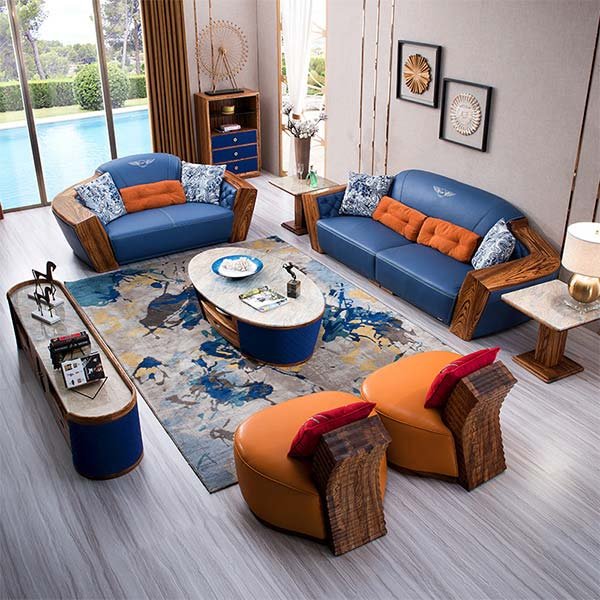
“Quality that endures, a sofa built to last.”
Factors Affecting the Lifespan of a Sofa
A sofa is an essential piece of furniture in any home. It provides comfort, relaxation, and a place for family and friends to gather. However, like any other item, a sofa has a limited lifespan. The longevity of a sofa depends on several factors that can affect its durability and overall lifespan.
One of the most significant factors that can impact the lifespan of a sofa is the quality of its construction. Sofas that are made with high-quality materials and craftsmanship tend to last longer than those made with cheaper materials. When purchasing a sofa, it is essential to consider the frame, cushions, and upholstery. A solid hardwood frame is more durable than a softwood or particleboard frame. Additionally, cushions made with high-density foam or down-filled cushions are more resilient and will retain their shape for a more extended period.
Another factor that can affect the lifespan of a sofa is the frequency of use. Sofas that are used daily or in high-traffic areas will naturally experience more wear and tear than those used occasionally. If you have a large family or frequently entertain guests, it may be worth investing in a sofa that is specifically designed for heavy use. These sofas are typically constructed with reinforced frames and durable upholstery that can withstand constant use.
The care and maintenance of a sofa also play a crucial role in its lifespan. Regular cleaning and maintenance can help prevent stains, odors, and damage. Vacuuming the sofa regularly can remove dust and debris that can accumulate over time. Additionally, rotating the cushions and fluffing them can help distribute the wear evenly. It is also essential to follow the manufacturer’s instructions for cleaning and care to avoid damaging the upholstery or cushions.
The environment in which a sofa is placed can also impact its lifespan. Exposure to direct sunlight can cause the fabric to fade and deteriorate over time. Placing the sofa away from windows or using curtains or blinds to block the sunlight can help protect the upholstery. Similarly, extreme temperatures and humidity can also affect the durability of a sofa. It is best to keep the sofa in a climate-controlled environment to prevent any damage.
Pets and children can also have a significant impact on the lifespan of a sofa. Pets, especially those with sharp claws, can scratch or tear the upholstery. It may be worth considering a sofa with pet-friendly fabric or using protective covers to prevent any damage. Similarly, children may spill food or drinks on the sofa, leading to stains or odors. Choosing a sofa with stain-resistant fabric or using removable and washable covers can help mitigate these risks.
In conclusion, the lifespan of a sofa depends on various factors. The quality of construction, frequency of use, care and maintenance, environment, and the presence of pets or children all play a role in determining how long a sofa will last. By considering these factors and making informed choices, you can ensure that your sofa remains comfortable and durable for years to come.
Signs Indicating the Need for a New Sofa
A sofa is an essential piece of furniture in any home. It provides comfort and a place to relax after a long day. However, like any other item, sofas have a lifespan. Over time, they can become worn out and lose their appeal. So, how long should a sofa last? There is no definitive answer to this question, as it depends on various factors such as the quality of the sofa, the amount of use it receives, and how well it is maintained. Nevertheless, there are some signs that indicate when it may be time to invest in a new sofa.
One of the most obvious signs that a sofa is nearing the end of its lifespan is visible wear and tear. This can include frayed fabric, sagging cushions, or broken springs. If you start to notice these signs, it may be time to start considering a replacement. Not only does a worn-out sofa look unattractive, but it also lacks the support and comfort it once provided. Sitting on a sofa with sagging cushions or broken springs can lead to discomfort and even back pain.
Another sign that it may be time for a new sofa is if it no longer fits your lifestyle or aesthetic preferences. As time goes on, our tastes and needs change. Perhaps you have moved into a new home with a different interior design style, and your current sofa no longer matches the overall look. Or maybe your family has grown, and you need a larger sofa to accommodate everyone comfortably. In these cases, it makes sense to invest in a new sofa that better suits your current lifestyle and preferences.
Additionally, if your sofa has become a breeding ground for allergens or pests, it is definitely time for a replacement. Sofas can accumulate dust, pet dander, and other allergens over time, which can be problematic for individuals with allergies or respiratory issues. Furthermore, sofas can also attract pests such as bed bugs or mites. If you have tried various cleaning methods and still cannot get rid of these issues, it is best to invest in a new sofa to ensure a clean and healthy living environment.
Furthermore, the functionality of a sofa can also deteriorate over time. If you find that your sofa no longer provides the necessary support or comfort, it may be time to consider a replacement. For example, if the cushions have become too soft or the frame has become weak, it can affect your overall sitting experience. A sofa should be a place where you can relax and unwind, so if it no longer serves its purpose, it is time to find a new one.
In conclusion, while there is no set lifespan for a sofa, there are several signs that indicate when it may be time for a replacement. These signs include visible wear and tear, a mismatch with your lifestyle or aesthetic preferences, the presence of allergens or pests, and a decrease in functionality. By paying attention to these signs, you can ensure that your sofa remains a comfortable and attractive piece of furniture in your home.
Tips for Extending the Lifespan of Your Sofa
A sofa is often one of the most significant investments you make when furnishing your home. It’s a piece of furniture that not only provides comfort but also adds style and personality to your living space. Therefore, it’s essential to ensure that your sofa lasts as long as possible. With proper care and maintenance, you can extend the lifespan of your sofa and enjoy its comfort and beauty for many years to come.
One of the first tips for extending the lifespan of your sofa is to choose a high-quality piece. When shopping for a sofa, it’s crucial to consider the construction and materials used. Look for a sofa that has a sturdy frame made of hardwood or metal, as these materials are more durable and long-lasting. Additionally, pay attention to the upholstery fabric. Opt for a fabric that is resistant to stains, fading, and wear and tear. Leather and microfiber are excellent choices as they are known for their durability.
Once you’ve selected a high-quality sofa, it’s important to take proper care of it. Regular cleaning is essential to maintain the appearance and condition of your sofa. Vacuuming your sofa regularly will help remove dust, dirt, and debris that can accumulate over time. Additionally, spot cleaning any spills or stains immediately will prevent them from setting in and becoming more challenging to remove.
Another tip for extending the lifespan of your sofa is to rotate the cushions regularly. By flipping and rotating the cushions, you distribute the wear and tear more evenly, preventing one side from becoming more worn out than the others. This simple practice can significantly extend the life of your sofa cushions.
In addition to regular cleaning and cushion rotation, it’s essential to protect your sofa from direct sunlight. Prolonged exposure to sunlight can cause the fabric to fade and deteriorate over time. Consider placing your sofa away from windows or using curtains or blinds to block out the sun’s rays. If that’s not possible, you can also use a protective cover or throw to shield your sofa from the sun.
Pets can also take a toll on your sofa, so it’s important to establish some ground rules. Train your pets to stay off the sofa or provide them with their own designated space. If your furry friend does end up on the sofa, use a pet-friendly cover to protect it from scratches and stains. Regularly vacuuming pet hair and using a lint roller can also help keep your sofa clean and free from pet dander.
Lastly, it’s crucial to address any minor issues or damages promptly. If you notice a loose thread or a small tear, fix it as soon as possible to prevent it from becoming more significant. Regularly inspect your sofa for any signs of wear and tear and address them promptly to avoid further damage.
In conclusion, with proper care and maintenance, a high-quality sofa can last for many years. Choosing a well-constructed sofa and taking steps to protect and maintain it will significantly extend its lifespan. Regular cleaning, cushion rotation, protecting it from sunlight, and addressing minor damages promptly are all essential practices to ensure your sofa remains comfortable and beautiful for years to come. By following these tips, you can enjoy your sofa for its intended lifespan and make the most out of your investment.
Conclusion
A sofa should last approximately 7-15 years, depending on the quality of materials and usage.