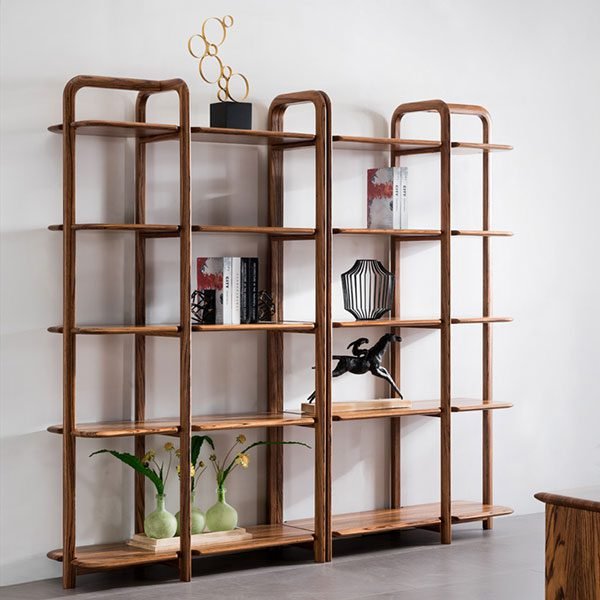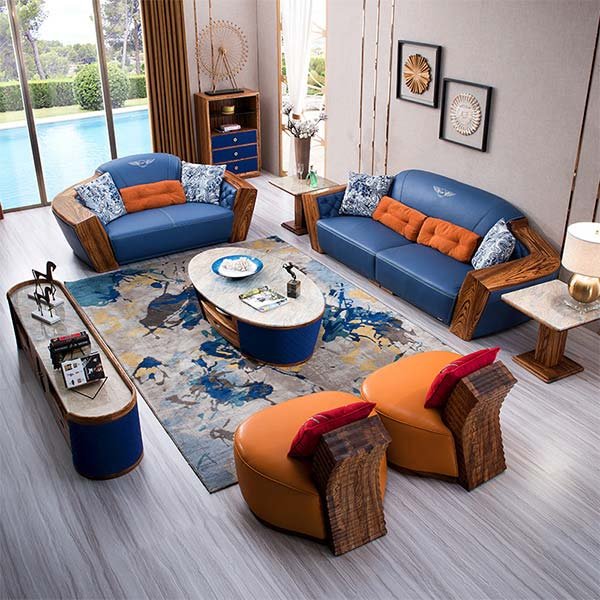
“Quality living room furniture that lasts a lifetime.”
Quality of materials
Living room furniture is an essential part of any home, providing comfort and style to the space where we spend a significant amount of time. When investing in new furniture, one of the key factors to consider is the quality of materials used in its construction.
High-quality materials can significantly impact the longevity of living room furniture. Solid wood, such as oak or maple, is a popular choice for furniture frames due to its durability and strength. These hardwoods are less likely to warp or crack over time, ensuring that your furniture will last for many years.
In addition to the frame, the upholstery of living room furniture is also crucial in determining its lifespan. Fabrics such as linen, cotton, and leather are known for their durability and resistance to wear and tear. These materials are easy to clean and maintain, making them ideal for furniture that will see regular use.
On the other hand, furniture made with low-quality materials, such as particleboard or cheap synthetic fabrics, may not stand the test of time. These materials are more prone to damage and may need to be replaced sooner than higher-quality alternatives. When shopping for living room furniture, it is essential to consider the materials used and opt for those that are known for their longevity.
Another factor that can impact the lifespan of living room furniture is the construction method. Furniture that is handcrafted or made with traditional joinery techniques is often more durable than mass-produced pieces that are assembled with glue and staples. By investing in well-constructed furniture, you can ensure that it will withstand the rigors of daily use and last for many years to come.
Regular maintenance and care can also extend the lifespan of living room furniture. Proper cleaning and upkeep, such as vacuuming upholstery, polishing wood surfaces, and rotating cushions, can help prevent damage and prolong the life of your furniture. Additionally, using furniture protectors, such as coasters and covers, can help prevent stains and scratches that can detract from the appearance of your furniture.
In conclusion, the quality of materials used in living room furniture plays a significant role in determining its lifespan. By choosing furniture made with high-quality materials, such as solid wood and durable upholstery fabrics, and opting for well-constructed pieces, you can ensure that your furniture will last for many years. With proper maintenance and care, you can enjoy your living room furniture for a long time, making it a worthwhile investment for your home.
Maintenance and care tips
Living room furniture is an essential part of any home, providing comfort and style to your living space. However, like any other piece of furniture, it requires proper maintenance and care to ensure its longevity. In this article, we will discuss how long living room furniture typically lasts and provide some maintenance and care tips to help extend its lifespan.
The lifespan of living room furniture can vary depending on the quality of the materials used, the construction of the piece, and how well it is maintained. On average, well-made living room furniture can last anywhere from 10 to 20 years or even longer with proper care. However, poor quality furniture may only last a few years before showing signs of wear and tear.
To ensure your living room furniture lasts as long as possible, it is important to follow some maintenance and care tips. One of the most important things you can do is to regularly clean your furniture. Dust and dirt can accumulate on the surface of your furniture, causing it to look dull and worn. Use a soft cloth or vacuum attachment to gently remove dust and debris from your furniture on a regular basis.
In addition to regular cleaning, it is also important to protect your furniture from sunlight and moisture. Direct sunlight can cause the fabric and wood of your furniture to fade and deteriorate over time. To prevent this, consider using curtains or blinds to block out the sun during the hottest parts of the day. Similarly, moisture can cause wood furniture to warp and fabric to mold. Be sure to keep your furniture away from windows and doors where moisture can seep in.
Another important aspect of maintaining your living room furniture is to avoid placing heavy objects on it. Excessive weight can cause the frame of your furniture to weaken and eventually break. Be mindful of how much weight you are placing on your furniture, and avoid using it as a makeshift ladder or step stool.
Regularly inspect your furniture for any signs of damage or wear. Loose screws, cracked wood, or torn fabric should be addressed as soon as possible to prevent further damage. If you notice any issues, consider contacting a professional furniture repair service to assess and fix the problem.
Finally, consider investing in furniture protectors or covers to help shield your furniture from spills, stains, and scratches. These protective covers can help extend the life of your furniture and keep it looking like new for years to come.
In conclusion, living room furniture can last for many years with proper maintenance and care. By following these tips, you can help ensure that your furniture remains in good condition and continues to provide comfort and style to your living space for years to come. Remember to clean regularly, protect from sunlight and moisture, avoid placing heavy objects on it, inspect for damage, and consider using protective covers. With these simple steps, you can enjoy your living room furniture for many years to come.
Trends and styles
Living room furniture is an essential part of any home, providing both functionality and style to the space. When it comes to trends and styles in living room furniture, there are always new designs and materials emerging that can influence the look and feel of your space.
One of the current trends in living room furniture is the use of natural materials such as wood, rattan, and bamboo. These materials add a touch of warmth and texture to the room, creating a cozy and inviting atmosphere. Additionally, natural materials are durable and long-lasting, making them a practical choice for furniture that will stand the test of time.
Another popular trend in living room furniture is the use of neutral colors and minimalist designs. Neutral colors such as white, beige, and grey create a clean and modern look that can easily be paired with different decor styles. Minimalist designs focus on simplicity and functionality, with clean lines and sleek finishes that give a contemporary feel to the space.
In terms of styles, mid-century modern furniture continues to be a popular choice for living rooms. This style, which originated in the mid-20th century, features clean lines, organic shapes, and a mix of materials such as wood, metal, and glass. Mid-century modern furniture is timeless and versatile, making it a great investment for your living room.
Industrial style furniture is another trend that has been gaining popularity in recent years. This style is characterized by raw materials such as metal and reclaimed wood, as well as exposed hardware and unfinished surfaces. Industrial furniture adds a rugged and edgy look to the room, creating a unique and eclectic vibe.
When it comes to the longevity of living room furniture, the quality of materials and construction play a significant role in determining how long a piece will last. High-quality materials such as solid wood, leather, and metal are more durable and resistant to wear and tear, ensuring that your furniture will stand the test of time.
Proper care and maintenance also play a crucial role in extending the lifespan of your living room furniture. Regular cleaning, polishing, and conditioning can help prevent damage and keep your furniture looking its best for years to come. Additionally, avoiding exposure to direct sunlight, moisture, and extreme temperatures can help prevent fading, warping, and other forms of damage.
In conclusion, trends and styles in living room furniture are constantly evolving, but certain designs and materials have stood the test of time. Natural materials, neutral colors, minimalist designs, mid-century modern, and industrial styles are all popular choices that can add character and charm to your living room. By investing in high-quality furniture and practicing proper care and maintenance, you can ensure that your living room furniture will last for many years to come.
Заключение
Living room furniture can last anywhere from 5 to 15 years, depending on the quality of the materials and how well it is maintained.