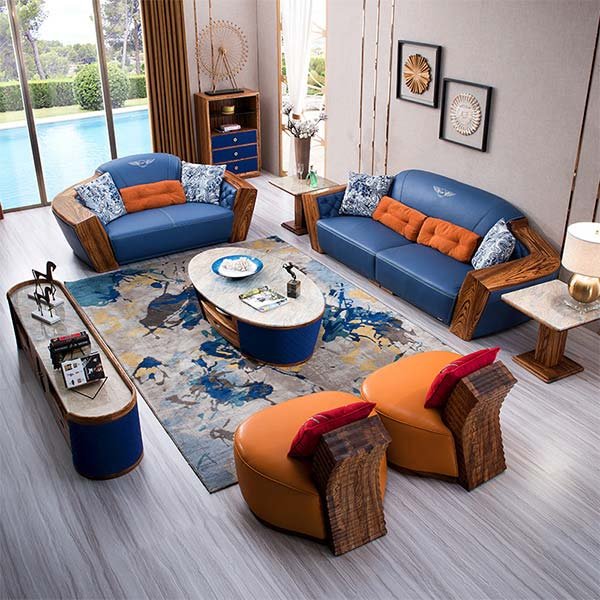
“Timeless Comfort: Sofas Built to Last.”
Factors Affecting the Lifespan of Sofas
Sofas are a significant investment for any homeowner, and it is only natural to wonder how long they will last. The lifespan of a sofa can vary greatly depending on several factors. Understanding these factors can help you make an informed decision when purchasing a new sofa and also help you extend the lifespan of your current one.
One of the most important factors affecting the lifespan of a sofa is the quality of its construction. Sofas that are built with high-quality materials and superior craftsmanship tend to last longer than those made with cheaper materials and shoddy workmanship. When shopping for a new sofa, it is essential to pay attention to the frame, the cushioning, and the upholstery. A solid hardwood frame, high-density foam cushions, and durable fabric or leather upholstery are all indicators of a well-constructed sofa that is likely to stand the test of time.
Another factor that can significantly impact the lifespan of a sofa is how it is used and cared for. Sofas that are subjected to heavy use, such as in households with children or pets, are more likely to wear out faster than those in less active households. Regular cleaning and maintenance can also play a crucial role in extending the lifespan of a sofa. Vacuuming the upholstery regularly, spot cleaning spills promptly, and rotating the cushions can all help prevent dirt and stains from becoming embedded in the fabric or leather, which can lead to premature wear and tear.
The environment in which a sofa is placed can also affect its lifespan. Exposure to direct sunlight can cause the fabric or leather to fade and deteriorate over time. Placing a sofa near a heat source, such as a radiator or fireplace, can also cause the materials to dry out and become brittle. Additionally, high humidity levels can lead to mold and mildew growth, which can damage the upholstery and even the frame of the sofa. To protect your sofa from these environmental factors, it is advisable to position it away from direct sunlight, heat sources, and areas with high humidity.
Regular maintenance and repairs can help extend the lifespan of a sofa. Over time, the cushions may lose their shape and support, and the upholstery may develop tears or stains. Replacing worn-out cushions or having them refilled can help restore the comfort and appearance of the sofa. Upholstery repairs, such as patching up small tears or reupholstering the entire sofa, can also breathe new life into an aging piece of furniture. It is worth noting that regular maintenance and repairs can be more cost-effective than replacing the entire sofa.
In conclusion, the lifespan of a sofa is influenced by various factors, including the quality of its construction, how it is used and cared for, the environment in which it is placed, and regular maintenance and repairs. By considering these factors, you can make an informed decision when purchasing a new sofa and take steps to extend the lifespan of your current one. Investing in a well-constructed sofa, using it with care, protecting it from environmental factors, and maintaining it regularly can all contribute to enjoying your sofa for many years to come.
Signs Indicating the Need for a New Sofa
Sofas are an essential piece of furniture in any home, providing comfort and style to our living spaces. However, like any other item, sofas have a lifespan and will eventually need to be replaced. But how do you know when it’s time to say goodbye to your beloved sofa and invest in a new one? There are several signs that indicate the need for a new sofa, and being aware of these signs can help you make an informed decision.
One of the most obvious signs that your sofa is reaching the end of its life is visible wear and tear. Over time, the fabric on your sofa may become faded, frayed, or stained, making it look worn out and shabby. Additionally, the cushions may lose their shape and become lumpy, making it uncomfortable to sit on. If your sofa is showing these signs, it’s a clear indication that it’s time to start shopping for a new one.
Another sign that your sofa may need replacing is if it no longer provides adequate support. As sofas age, the springs and padding inside can deteriorate, causing the sofa to sag and lose its firmness. This can lead to discomfort and back pain when sitting for extended periods. If you find yourself constantly readjusting or adding extra cushions to your sofa for support, it’s a sign that it’s time to invest in a new one that will provide the necessary comfort and support.
In addition to physical wear and tear, the functionality of your sofa may also deteriorate over time. If you notice that the reclining mechanism or sleeper sofa function is no longer working properly, it may be a sign that your sofa has reached the end of its lifespan. Trying to repair these functions can be costly and may not be worth the investment, especially if the rest of the sofa is also showing signs of wear.
Furthermore, the style and design of your sofa may become outdated over time. Interior design trends change, and what was once considered fashionable may now look outdated and out of place in your home. If you find yourself no longer enjoying the aesthetic appeal of your sofa or if it clashes with your current decor, it may be time to consider replacing it with a more modern and stylish option.
Lastly, if you have had your sofa for a significant amount of time and it has served you well, it may be time for a change simply for the sake of freshness and rejuvenation. Sometimes, a new sofa can breathe new life into a room and give it a whole new look and feel. So, even if your sofa is still in good condition, it’s worth considering replacing it to update your living space and create a fresh ambiance.
In conclusion, there are several signs that indicate the need for a new sofa. Visible wear and tear, lack of support, malfunctioning functions, outdated style, and the desire for a fresh look are all valid reasons to start shopping for a new sofa. By being aware of these signs, you can make an informed decision and ensure that your living space remains comfortable, stylish, and functional.
Tips for Extending the Lifespan of Your Sofa
Sofas are a significant investment for any homeowner, and it’s only natural to want them to last as long as possible. While the lifespan of a sofa can vary depending on factors such as quality, usage, and maintenance, there are several tips you can follow to extend its lifespan and keep it looking and feeling great for years to come.
First and foremost, it’s essential to choose a high-quality sofa from the start. Investing in a well-made piece of furniture will not only ensure its durability but also its comfort. Look for sofas made with sturdy frames, such as those constructed from hardwood or metal. Additionally, pay attention to the upholstery material. Opt for fabrics that are known for their durability, such as leather or microfiber, as they are less likely to show signs of wear and tear over time.
Once you have your sofa, it’s crucial to take proper care of it. Regular cleaning is essential to maintain its appearance and prevent the buildup of dirt and stains. Vacuuming your sofa regularly will help remove dust and debris that can accumulate in the crevices. For spills and stains, it’s important to address them promptly. Blot the affected area with a clean cloth or paper towel to absorb as much liquid as possible, and then use a mild detergent or upholstery cleaner to treat the stain. Avoid using harsh chemicals or abrasive cleaners, as they can damage the fabric or upholstery.
In addition to regular cleaning, it’s also important to protect your sofa from excessive wear and tear. One way to do this is by rotating the cushions regularly. Flipping and rotating the cushions will distribute the weight evenly, preventing one side from becoming more worn than the other. You can also consider using armrest covers or slipcovers to protect the areas that are most prone to damage.
Another tip for extending the lifespan of your sofa is to avoid placing it in direct sunlight or near heat sources. Prolonged exposure to sunlight can cause the fabric to fade and deteriorate over time. Similarly, placing your sofa near radiators or heating vents can cause the upholstery to dry out and crack. If possible, position your sofa in a location where it is shielded from direct sunlight and away from heat sources.
Lastly, it’s important to use your sofa responsibly. While it may be tempting to jump or flop onto your sofa after a long day, excessive force can cause damage to the frame or springs. Encourage family members and guests to sit down gently and avoid putting excessive weight on the arms or backrests. Additionally, avoid using your sofa as a makeshift bed or trampoline, as this can lead to sagging or structural damage.
By following these tips, you can significantly extend the lifespan of your sofa and keep it looking and feeling great for years to come. Remember to choose a high-quality sofa, clean it regularly, protect it from excessive wear and tear, avoid direct sunlight and heat sources, and use it responsibly. With proper care and maintenance, your sofa can become a long-lasting and cherished piece of furniture in your home.
Conclusion
Sofas typically last for about 7-15 years, depending on the quality of materials and level of usage.