Maximize Your Space with Functional Design
Utilizing Multifunctional Furniture in Small Spaces
Utilizing Multifunctional Furniture in Small Spaces
When it comes to designing a small space, one of the biggest challenges is finding furniture that not only fits but also serves multiple purposes. This is where multifunctional furniture comes in. With the right pieces, you can maximize your space and create a functional and stylish living area.
One of the most popular types of multifunctional furniture is the sofa bed. This versatile piece of furniture serves as both a comfortable seating option during the day and a cozy bed at night. With a sofa bed, you can easily accommodate overnight guests without sacrificing valuable space. Additionally, many sofa beds come with built-in storage compartments, allowing you to store extra bedding or other items.
Another great option for small spaces is a dining table that can be extended or folded when not in use. These tables are perfect for those who love to entertain but don’t have the space for a permanent dining area. When you have guests over, simply extend the table to accommodate everyone. When they leave, fold it back up and reclaim your space.
In addition to sofa beds and extendable dining tables, there are many other types of multifunctional furniture available. For example, there are coffee tables that can be transformed into desks, ottomans with hidden storage compartments, and bookshelves that double as room dividers. The key is to think creatively and look for furniture that can serve multiple purposes.
When choosing multifunctional furniture for your small space, it’s important to consider both functionality and aesthetics. Look for pieces that not only serve a purpose but also complement your overall design scheme. For example, if you have a modern and minimalist style, opt for furniture with clean lines and a sleek finish. On the other hand, if your space has a more traditional feel, choose furniture with classic details and warm tones.
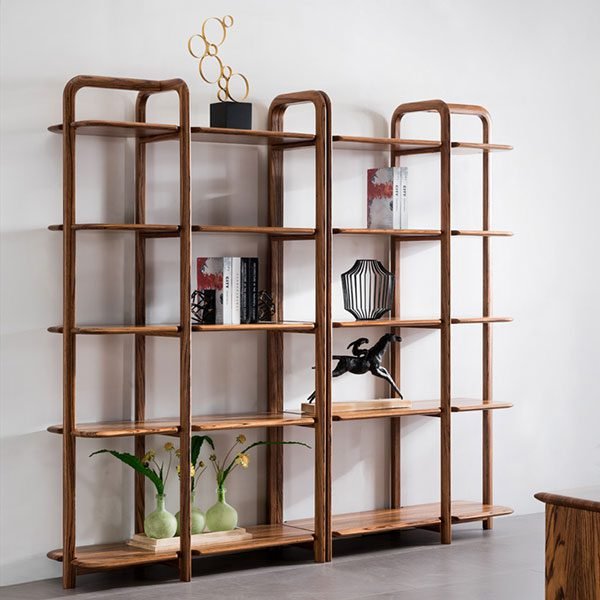
In addition to choosing the right furniture, it’s also important to arrange it in a way that maximizes your space. One strategy is to use furniture to create distinct zones within your small space. For example, you can use a bookshelf or a room divider to separate your living area from your sleeping area. This not only creates a sense of privacy but also helps to visually define each space.
Another strategy is to use furniture with built-in storage. This allows you to keep your space organized and clutter-free. Look for beds with drawers underneath, ottomans with hidden compartments, and coffee tables with shelves or drawers. By utilizing these storage solutions, you can keep your belongings out of sight and create a more spacious and inviting environment.
In conclusion, multifunctional furniture is a game-changer when it comes to designing small spaces. With the right pieces, you can maximize your space and create a functional and stylish living area. From sofa beds to extendable dining tables, there are many options available to suit your needs and design preferences. Remember to choose furniture that not only serves a purpose but also complements your overall design scheme. Additionally, consider arranging your furniture in a way that maximizes your space and creates distinct zones. By following these tips, you can make the most of your small space and create a home that is both practical and beautiful.
Maximizing Storage Solutions for Small Living Areas
Maximizing Storage Solutions for Small Living Areas
Living in a small space can present unique challenges when it comes to storage. With limited square footage, it’s essential to make the most of every inch available. Fortunately, there are numerous storage solutions designed specifically for small living areas that can help you maximize your space and keep your belongings organized.
One of the first steps in maximizing storage in a small living area is to declutter and get rid of any items you no longer need or use. This will free up valuable space and make it easier to organize what remains. Once you’ve decluttered, it’s time to get creative with your storage solutions.
One popular option for small living areas is to utilize vertical space. Installing shelves or wall-mounted storage units can help you take advantage of unused wall space. This is particularly useful in areas such as the kitchen or bathroom, where counter or floor space may be limited. By going vertical, you can store items such as dishes, spices, or toiletries within easy reach while keeping your countertops clear.
Another effective storage solution for small living areas is to invest in furniture with built-in storage. For example, ottomans or coffee tables with hidden compartments can provide a place to store blankets, books, or other items while also serving as functional pieces of furniture. Similarly, beds with built-in drawers or storage compartments underneath can be a game-changer in bedrooms with limited closet space.
In addition to utilizing vertical space and furniture with built-in storage, it’s important to make use of every nook and cranny available. This means thinking outside the box and finding creative ways to store items in unconventional spaces. For instance, hanging shoe organizers on the back of doors can be a great way to store small items such as cleaning supplies or accessories. Additionally, utilizing under-bed storage containers can help you make the most of the space beneath your bed, which is often overlooked.
When it comes to organizing your belongings in a small living area, it’s crucial to have a system in place. This will help you keep track of where everything is and make it easier to find what you need. One effective strategy is to group similar items together. For example, keep all your kitchen utensils in one drawer or designate a specific shelf for your collection of books. This not only makes it easier to find things but also helps to maximize the available space by keeping similar items together.
Lastly, don’t forget about the power of labels. Labeling storage containers or shelves can help you quickly identify what’s inside and make it easier to maintain an organized space. Whether you use a label maker or simply write on sticky notes, taking the time to label your storage areas can save you time and frustration in the long run.
In conclusion, maximizing storage solutions in small living areas is all about being creative and making the most of the space you have. By decluttering, utilizing vertical space, investing in furniture with built-in storage, and thinking outside the box, you can create a functional and organized living space. Remember to have a system in place for organizing your belongings and consider labeling storage areas to make it easier to find what you need. With these tips in mind, you can make the most of your small space and enjoy a clutter-free living environment.
Creating a Cohesive and Stylish Design in Limited Space
Functional Design: How to Make the Most of Your Small Space
Creating a Cohesive and Stylish Design in Limited Space
When it comes to designing a small space, functionality and style are key. Limited square footage doesn’t mean you have to sacrifice on aesthetics or comfort. With some careful planning and smart design choices, you can create a cohesive and stylish living area that maximizes every inch of your small space.
One of the first things to consider when designing a small space is the layout. It’s important to make the most of the available space by arranging furniture in a way that maximizes functionality. Start by measuring the dimensions of your room and sketching out a floor plan. This will help you visualize how different furniture pieces will fit together and allow you to experiment with different layouts.
When choosing furniture for a small space, it’s important to prioritize multi-functional pieces. Look for furniture that serves more than one purpose, such as a sofa that can also be used as a guest bed or a coffee table with built-in storage. This will help you make the most of your limited space and avoid clutter.
In addition to multi-functional furniture, consider incorporating built-in storage solutions. Utilizing vertical space is key in a small room, so look for opportunities to add shelves or cabinets that go all the way up to the ceiling. This will not only provide additional storage space but also draw the eye upward, creating the illusion of a larger room.
Another important aspect of creating a cohesive and stylish design in a small space is color scheme. Opt for light, neutral colors on the walls and floors to make the room feel more open and airy. This doesn’t mean you have to stick to all-white everything – you can still incorporate pops of color through accessories and artwork. Just be mindful of not overwhelming the space with too many bold colors, as this can make the room feel smaller and more cluttered.
When it comes to choosing accessories and decor for a small space, less is more. Avoid overcrowding surfaces with too many knick-knacks and instead opt for a few carefully curated pieces that add personality and style to the room. Consider incorporating mirrors into your design, as they can help create the illusion of a larger space by reflecting light and opening up the room.
Lighting is another important element to consider when designing a small space. Natural light is always the best option, so try to maximize the amount of natural light that enters the room by keeping windows unobstructed and using sheer curtains. In addition to natural light, incorporate a mix of ambient, task, and accent lighting to create a layered and inviting atmosphere.
Lastly, don’t forget about the importance of organization in a small space. Clutter can quickly make a small room feel chaotic and cramped, so invest in storage solutions that help keep everything in its place. Utilize baskets, bins, and drawer organizers to keep belongings organized and out of sight.
In conclusion, designing a small space doesn’t have to be a daunting task. By prioritizing functionality, choosing multi-functional furniture, utilizing built-in storage, and carefully considering color scheme, accessories, lighting, and organization, you can create a cohesive and stylish design that maximizes every inch of your limited space. With some careful planning and smart design choices, your small space can become a functional and beautiful oasis.
Conclusion
In conclusion, functional design is essential when it comes to making the most of a small space. By carefully considering the layout, storage solutions, and multi-purpose furniture, it is possible to create a functional and efficient living area. Maximizing vertical space, utilizing natural light, and incorporating smart organization systems are also key elements in optimizing a small space. With thoughtful planning and creative design choices, small spaces can be transformed into comfortable and stylish environments that meet the needs of their inhabitants.