“Factory Direct Furniture: Your Ultimate Material Selection Guide”
Wood: Pros and Cons
Wood: Pros and Cons
When it comes to choosing furniture, one of the most important factors to consider is the material it is made of. Wood is a popular choice for many people due to its natural beauty and durability. However, like any material, wood has its pros and cons. In this article, we will explore the advantages and disadvantages of using wood for furniture.
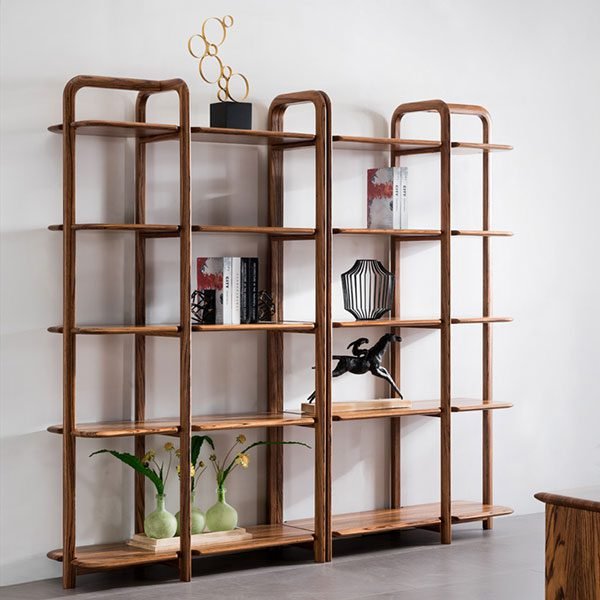
One of the biggest advantages of wood furniture is its aesthetic appeal. Wood has a timeless and classic look that can enhance the overall design of any room. Whether you prefer a rustic, traditional, or modern style, there is a type of wood that can complement your taste. Additionally, wood furniture can add warmth and character to a space, creating a cozy and inviting atmosphere.
Another advantage of wood furniture is its durability. High-quality wood, such as oak or teak, can last for generations if properly cared for. Unlike other materials, wood can withstand everyday wear and tear without losing its structural integrity. It is also resistant to scratches and dents, making it a great choice for households with children or pets.
Wood furniture is also known for its versatility. It can be easily customized and modified to fit specific design requirements. Whether you want a unique shape, intricate carvings, or a specific finish, wood can be easily manipulated to achieve the desired result. This makes it a popular choice for those who want furniture that reflects their personal style and preferences.
However, wood furniture also has its drawbacks. One of the main disadvantages is its susceptibility to moisture and humidity. Wood can expand and contract when exposed to changes in temperature and humidity, which can lead to warping or cracking. To prevent this, it is important to properly maintain and care for wood furniture by keeping it away from direct sunlight and using appropriate cleaning products.
Another disadvantage of wood furniture is its susceptibility to pests. Certain types of wood, such as pine, are more prone to insect infestations. This can be a major concern, especially in areas with high humidity or where termites are common. Regular inspections and treatments may be necessary to prevent and control pest problems.
In addition, wood furniture can be more expensive compared to other materials. High-quality wood can come with a higher price tag, especially if it is sourced sustainably. However, investing in wood furniture can be seen as a long-term investment due to its durability and timeless appeal.
In conclusion, wood furniture offers numerous advantages, including its aesthetic appeal, durability, and versatility. It can enhance the overall design of a room and withstand everyday wear and tear. However, it is important to consider its susceptibility to moisture and pests, as well as its higher cost compared to other materials. By understanding the pros and cons of wood furniture, you can make an informed decision when choosing the right material for your home.
Leather vs. Fabric: Which is Right for You?
Leather vs. Fabric: Which is Right for You?
When it comes to choosing furniture for your home, one of the most important decisions you’ll have to make is whether to go for leather or fabric upholstery. Both options have their own unique advantages and considerations, so it’s essential to weigh them carefully before making a decision. In this article, we’ll guide you through the factors to consider when choosing between leather and fabric furniture.
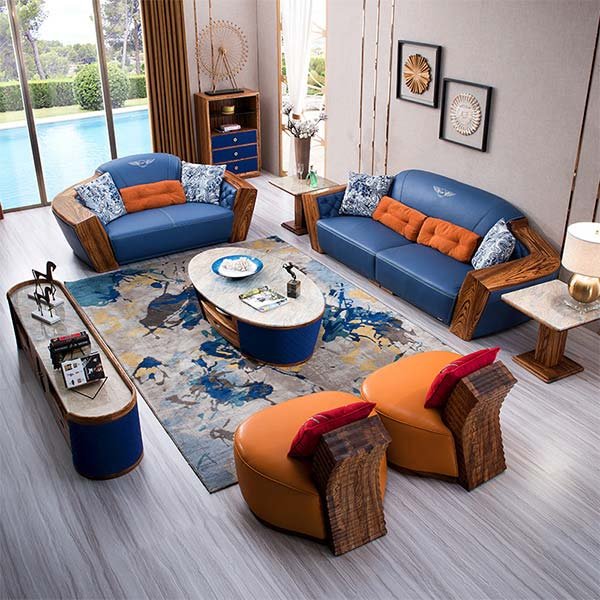
One of the first things to consider is the overall style and aesthetic of your home. Leather furniture tends to have a more luxurious and sophisticated look, making it a great choice for formal living rooms or executive offices. On the other hand, fabric upholstery offers a wider range of colors and patterns, allowing you to create a more personalized and cozy atmosphere in your space.
Another important factor to consider is durability. Leather furniture is known for its longevity and ability to withstand wear and tear. It is resistant to stains and spills, making it an excellent choice for households with children or pets. Fabric upholstery, on the other hand, may require more maintenance and can be more prone to staining. However, advances in fabric technology have led to the development of stain-resistant and easy-to-clean fabrics, making them a viable option for those seeking a low-maintenance choice.
Comfort is another crucial aspect to consider. Leather furniture tends to be firmer and may require some breaking in before it becomes truly comfortable. However, once it molds to your body, it offers excellent support and retains its shape over time. Fabric upholstery, on the other hand, tends to be softer and more plush, providing a cozy and inviting feel. It’s important to test out both options and determine which one feels more comfortable to you.
Cost is also a significant consideration for many people. Leather furniture is generally more expensive than fabric upholstery due to the higher cost of materials and craftsmanship. However, leather furniture is also known for its durability, meaning it can be a worthwhile investment in the long run. Fabric upholstery, on the other hand, offers a more affordable option, allowing you to change your furniture more frequently without breaking the bank.
Lastly, it’s essential to consider your lifestyle and personal preferences. Leather furniture is often associated with a more formal and elegant style, while fabric upholstery offers a more casual and relaxed vibe. Consider how you plan to use your furniture and whether you prefer a more formal or laid-back atmosphere in your home.
In conclusion, choosing between leather and fabric upholstery ultimately comes down to personal preference and the specific needs of your home. Consider factors such as style, durability, comfort, cost, and lifestyle when making your decision. Whether you opt for the luxurious look of leather or the versatility of fabric, investing in high-quality furniture will ensure that you enjoy your space for years to come.
Metal Furniture: Durability and Style
Metal Furniture: Durability and Style
When it comes to choosing furniture for your home or office, durability and style are two important factors to consider. Metal furniture is a popular choice for many people due to its strength and versatility. In this article, we will explore the benefits of metal furniture and provide some tips on how to choose the right pieces for your space.
One of the main advantages of metal furniture is its durability. Unlike other materials such as wood or plastic, metal furniture is built to last. It can withstand heavy use and is resistant to wear and tear. This makes it an excellent choice for high-traffic areas or homes with children and pets. Metal furniture is also less likely to be damaged by moisture or pests, making it a great option for outdoor use as well.
In addition to its durability, metal furniture offers a sleek and modern aesthetic. It can instantly elevate the look of any room with its clean lines and contemporary design. Whether you prefer a minimalist style or a more industrial look, metal furniture can easily complement your existing decor. It is available in a wide range of finishes, including brushed steel, polished chrome, and powder-coated colors, allowing you to customize your furniture to suit your personal taste.
When choosing metal furniture, it is important to consider the type of metal used. Steel and aluminum are the most common materials used in metal furniture production. Steel is known for its strength and durability, making it a popular choice for outdoor furniture. Aluminum, on the other hand, is lightweight and resistant to rust, making it ideal for indoor use. Both materials can be easily cleaned and maintained, ensuring that your furniture will continue to look its best for years to come.
Another factor to consider when choosing metal furniture is the comfort it provides. While metal may not be as cushioned as upholstered furniture, there are ways to enhance its comfort. Look for pieces with padded seats or cushions that can be added for extra support. Additionally, consider the ergonomics of the furniture, ensuring that it provides proper back and arm support for extended periods of sitting.
In terms of maintenance, metal furniture is relatively easy to care for. Regular dusting and wiping with a damp cloth are usually sufficient to keep it clean. Avoid using harsh chemicals or abrasive cleaners, as they can damage the finish. If your metal furniture is located outdoors, it is recommended to cover it during inclement weather to prevent rusting.
In conclusion, metal furniture offers a winning combination of durability and style. Its strength and resistance to wear and tear make it a long-lasting investment, while its sleek design adds a modern touch to any space. When choosing metal furniture, consider the type of metal used, the comfort it provides, and the maintenance required. By taking these factors into account, you can find the perfect metal furniture pieces that will enhance your space for years to come.
Заключение
Заключение о Factory Direct Furniture: A Guide to Choosing Materials:
Factory Direct Furniture предоставляет полезное руководство по выбору материалов для мебели. Они предлагают широкий выбор материалов, включая дерево, металл, стекло и ткань, с подробными описаниями и рекомендациями. Руководство также содержит информацию о преимуществах и недостатках каждого материала, что помогает покупателям принять информированное решение. Factory Direct Furniture стремится предложить высокое качество и долговечность своей мебели, и руководство помогает клиентам выбрать подходящий материал, соответствующий их потребностям и предпочтениям. В целом, Factory Direct Furniture является надежным и информативным ресурсом для тех, кто ищет качественную мебель и хочет быть уверенным в своем выборе материала.