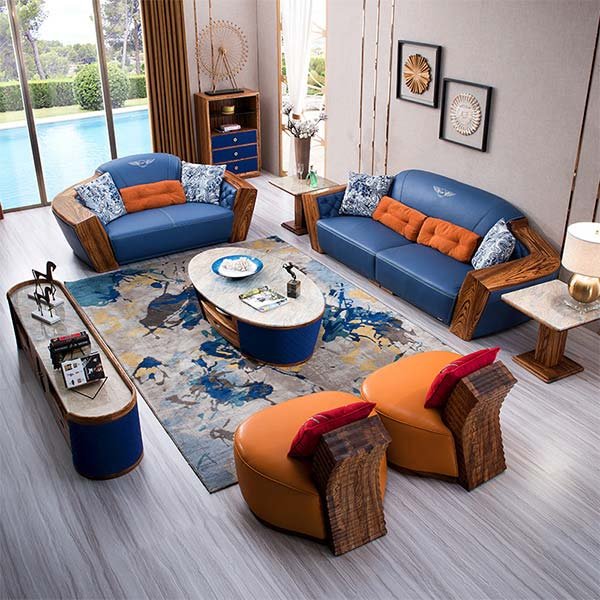
“Create your oasis of calm with our essential living room chairs for ultimate relaxation.”
Comfortable seating options
Comfortable seating options are essential when it comes to designing a relaxing living room. After a long day at work, there’s nothing better than sinking into a cozy chair and unwinding. In this article, we will explore some of the key elements to consider when choosing seating options for your living room.
First and foremost, the size of the chair is crucial. You want to ensure that it fits well within the space and doesn’t overwhelm the room. A chair that is too large can make the room feel cramped and crowded, while a chair that is too small may not provide enough support and comfort. It’s important to measure the available space and choose a chair that is proportionate to the room.
Next, consider the material of the chair. Upholstered chairs are a popular choice for living rooms as they offer both comfort and style. Look for chairs with high-quality fabrics that are soft to the touch and easy to clean. Leather chairs are also a great option for a more luxurious and sophisticated look. However, keep in mind that leather may require more maintenance to keep it looking its best.
Another important factor to consider is the level of support provided by the chair. Look for chairs with firm cushions that offer proper lumbar support. This will help prevent back pain and promote good posture. Additionally, chairs with adjustable features such as reclining options or built-in footrests can provide added comfort and relaxation.
In terms of style, there are endless options to choose from. Whether you prefer a modern, minimalist look or a more traditional and cozy feel, there is a chair out there to suit your taste. Consider the overall aesthetic of your living room and choose a chair that complements the existing decor. Don’t be afraid to mix and match different styles and textures to create a unique and inviting space.
When it comes to arranging the seating in your living room, consider creating different zones for different activities. For example, you may want to have a dedicated reading corner with a comfortable armchair and a side table for your books and a cozy loveseat or sectional for lounging and watching TV. This will allow you to maximize the functionality of the space and cater to different needs.
Lastly, don’t forget about the importance of lighting in creating a relaxing atmosphere. Place your chairs near windows to take advantage of natural light during the day. In the evening, incorporate soft and warm lighting options such as floor lamps or table lamps to create a cozy ambiance.
In conclusion, designing a relaxing living room starts with choosing the right seating options. Consider the size, material, support, and style of the chair to ensure maximum comfort and functionality. Create different zones within the room to cater to different activities and don’t forget about the importance of lighting. With these essentials in mind, you can create a space that is both inviting and comfortable for you and your guests to enjoy.
Ergonomic design features
Ergonomic design features are essential when it comes to creating a relaxing and comfortable living room chair. These features not only enhance the overall aesthetic appeal of the chair but also ensure that it provides optimal support and comfort for the user. In this article, we will explore some of the key ergonomic design features that are essential for a living room chair.
One of the most important ergonomic design features is proper lumbar support. The lower back is particularly vulnerable to strain and discomfort, especially when sitting for long periods of time. A living room chair with good lumbar support will have a curved backrest that follows the natural curve of the spine, providing support to the lower back and promoting good posture. This feature helps to alleviate back pain and prevents the development of long-term spinal issues.
Another important ergonomic design feature is adjustable armrests. The height and width of the armrests should be adjustable to accommodate different body types and preferences. This allows the user to find the most comfortable position for their arms and shoulders, reducing strain and fatigue. Adjustable armrests also promote proper alignment of the spine and shoulders, further enhancing the overall comfort of the chair.
In addition to lumbar support and adjustable armrests, a living room chair should also have a seat that is designed to distribute weight evenly. This is achieved through the use of high-density foam or memory foam cushions that conform to the shape of the body. These cushions provide support and cushioning, reducing pressure points and ensuring that the user remains comfortable even after prolonged sitting.
Furthermore, a living room chair should have a reclining feature. This allows the user to adjust the angle of the backrest and footrest, providing options for different sitting positions. The ability to recline not only enhances comfort but also promotes relaxation and reduces stress. It allows the user to find the perfect position for reading, watching TV, or simply unwinding after a long day.
Additionally, a living room chair should have a sturdy and stable base. This ensures that the chair remains secure and does not wobble or tip over when the user shifts their weight or moves around. A stable base is particularly important for individuals with mobility issues or those who may need assistance when sitting or standing up from the chair.
In conclusion, ergonomic design features are essential for creating a relaxing and comfortable living room chair. Features such as proper lumbar support, adjustable armrests, weight distribution cushions, reclining capabilities, and a stable base all contribute to the overall comfort and functionality of the chair. When designing a living room chair, it is important to prioritize these ergonomic features to ensure that the chair provides optimal support and comfort for the user. By incorporating these features, you can create a chair that not only looks great but also promotes relaxation and well-being.
Relaxing color schemes
Расслабляющие цветовые схемы
При проектировании гостиной с учетом релаксации, одним из ключевых аспектов является выбор цветовой схемы. Цвета могут оказывать значительное влияние на наше настроение и эмоциональное состояние, поэтому важно выбрать такие цвета, которые способствуют релаксации и создают уютную атмосферу.
Одним из самых популярных выборов для расслабляющей цветовой схемы являются нейтральные тона. Бежевый, серый и белый – это цвета, которые создают спокойную и умиротворяющую атмосферу. Они могут быть использованы как основной цвет стен, а также в мебели и аксессуарах. Нейтральные тона также отлично сочетаются с другими цветами, что позволяет создать интересные и гармоничные комбинации.
Еще одним популярным выбором для расслабляющей цветовой схемы являются пастельные оттенки. Легкие и нежные цвета, такие как мятный, лавандовый или светло-голубой, создают ощущение спокойствия и умиротворения. Они могут быть использованы как основной цвет стен или в декоративных элементах, таких как подушки или покрывала. Пастельные оттенки также отлично сочетаются с нейтральными цветами, что позволяет создать мягкий и приятный образ.
Если вы предпочитаете более яркие цвета, то стоит обратить внимание на теплые оттенки. Оранжевый, желтый и красный – это цвета, которые могут создать ощущение тепла и комфорта. Они могут быть использованы как акцентные цвета в мебели или аксессуарах, чтобы добавить немного яркости и энергии в комнату. Однако, стоит помнить, что яркие цвета могут быть слишком стимулирующими для некоторых людей, поэтому их следует использовать с осторожностью.
Кроме выбора цветовой схемы, также важно учитывать освещение в гостиной. Естественное освещение может значительно повлиять на восприятие цветов и создать дополнительную атмосферу релаксации. Поэтому стоит обеспечить достаточное количество окон или использовать светлое и прозрачное оформление окон, чтобы максимально использовать естественный свет.
В заключение, при проектировании гостиной с учетом релаксации, выбор расслабляющей цветовой схемы является важным аспектом. Нейтральные тона, пастельные оттенки и теплые цвета – все они могут создать спокойную и уютную атмосферу. Кроме того, не забывайте об освещении, которое может дополнить выбранную цветовую схему и создать дополнительную атмосферу релаксации.
Заключение
Заключение о Designing for Relaxation: Living Room Chair Essentials:
Дизайн мебели для отдыха в гостиной является важным аспектом создания комфортной и расслабляющей атмосферы. Основные элементы, которые следует учесть при выборе кресла для гостиной, включают удобную подушку для спины, мягкое сиденье, подлокотники и возможность регулировки положения спинки. Кроме того, материалы и цвета кресла должны соответствовать общему стилю интерьера и создавать ощущение уюта. Важно также учесть размеры комнаты и выбрать кресло, которое не будет занимать слишком много места. В целом, правильно спроектированное кресло для отдыха в гостиной поможет создать идеальное место для релаксации и отдыха.