“Harmonize your space with a sofa-inspired color scheme!”
Choosing the Perfect Color Palette for Your Sofa
Choosing the Perfect Color Palette for Your Sofa
When it comes to designing your living room, one of the most important elements to consider is the color scheme. The color palette you choose for your sofa can set the tone for the entire space, so it’s crucial to make the right decision. In this article, we will explore some tips and tricks for creating a color scheme around your sofa.
First and foremost, it’s essential to consider the style and design of your sofa. Is it a modern, sleek piece or a traditional, cozy one? The style of your sofa will dictate the type of color palette that will work best. For a modern sofa, you may want to opt for a monochromatic color scheme, using different shades of the same color. This will create a clean and sophisticated look. On the other hand, a traditional sofa can be paired with warm, earthy tones for a cozy and inviting feel.
Another factor to consider is the size of your living room. If you have a small space, it’s best to stick to lighter colors for your sofa. Lighter shades will make the room appear more spacious and airy. On the other hand, if you have a large living room, you can experiment with darker, bolder colors. Darker shades can add depth and drama to the space.
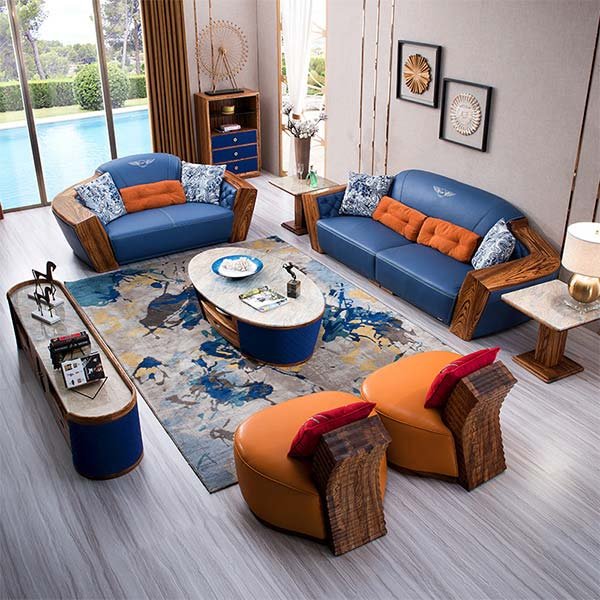
One popular trend in interior design is to create a color scheme based on a focal point. In this case, your sofa can be the focal point of the room, and you can choose colors that complement it. For example, if your sofa has a vibrant blue color, you can incorporate shades of blue throughout the room, using accessories such as pillows, curtains, and rugs. This will create a cohesive and visually appealing look.
When choosing a color palette, it’s important to consider the mood you want to create in your living room. Do you want a calm and serene atmosphere or a vibrant and energetic one? Different colors evoke different emotions, so it’s crucial to choose wisely. For a peaceful ambiance, consider using cool colors such as blues and greens. If you want to create a lively and energetic space, opt for warm colors like reds and oranges.
In addition to the color of your sofa, you should also take into account the material and texture. Leather sofas, for example, have a sleek and sophisticated look that can be complemented by metallic accents and neutral colors. On the other hand, fabric sofas can be paired with patterned pillows and textured rugs for a more eclectic feel.
Lastly, don’t be afraid to experiment and have fun with your color scheme. Interior design is all about expressing your personal style and creating a space that reflects your personality. If you’re unsure about which colors to choose, consider consulting with a professional interior designer who can provide expert advice and guidance.
In conclusion, choosing the perfect color palette for your sofa is a crucial step in designing your living room. Consider the style of your sofa, the size of your space, and the mood you want to create. Use your sofa as a focal point and build your color scheme around it. Don’t forget to consider the material and texture of your sofa as well. And most importantly, have fun and let your personal style shine through.
How to Coordinate Accessories with Your Sofa’s Color Scheme
Creating a Color Scheme Around Your Sofa
When it comes to designing your living room, one of the most important elements to consider is your sofa. Not only is it the focal point of the room, but it also sets the tone for the overall color scheme. Coordinating accessories with your sofa’s color scheme can help create a cohesive and visually appealing space. In this article, we will explore some tips on how to achieve this.
First and foremost, it is essential to understand the color wheel and how different colors interact with each other. The color wheel consists of primary, secondary, and tertiary colors. Primary colors include red, blue, and yellow, while secondary colors are created by mixing two primary colors together, such as green, orange, and purple. Tertiary colors are a combination of a primary and a secondary color.
Once you have a basic understanding of the color wheel, you can start selecting accessories that complement your sofa’s color. One option is to choose accessories in analogous colors, which are located next to each other on the color wheel. For example, if your sofa is a deep blue, you can opt for accessories in shades of blue and green. This creates a harmonious and soothing color scheme.
On the other hand, if you prefer a more contrasting look, you can choose accessories in complementary colors. Complementary colors are located opposite each other on the color wheel, such as blue and orange or red and green. This creates a bold and eye-catching color scheme that adds visual interest to your living room.
Another approach is to select accessories in neutral colors. Neutral colors, such as white, gray, and beige, can act as a backdrop for your sofa’s color and allow it to stand out. You can then add pops of color through pillows, throws, and artwork. This creates a balanced and versatile color scheme that can easily be updated or changed in the future.
In addition to considering the color of your accessories, it is also important to think about their texture and pattern. Mixing different textures, such as velvet, leather, and linen, can add depth and visual interest to your living room. Similarly, incorporating patterns, such as stripes, florals, or geometric designs, can create a dynamic and lively space.
When selecting accessories, it is crucial to keep in mind the size and scale of your sofa. If you have a large sofa, you can opt for larger accessories to create a sense of balance. Conversely, if you have a smaller sofa, choosing smaller accessories can help prevent the space from feeling cluttered.
Lastly, don’t forget about lighting. Lighting plays a significant role in enhancing the overall ambiance of your living room. Consider incorporating different types of lighting, such as overhead lights, floor lamps, and table lamps, to create a warm and inviting atmosphere. Additionally, you can use lighting to highlight specific accessories or areas of the room.
In conclusion, coordinating accessories with your sofa’s color scheme is an essential aspect of designing your living room. By understanding the color wheel, selecting accessories in analogous or complementary colors, considering texture and pattern, and paying attention to size and scale, you can create a visually appealing and harmonious space. Don’t forget to incorporate lighting to enhance the overall ambiance. With these tips in mind, you can create a color scheme that perfectly complements your sofa and reflects your personal style.
Creating a Harmonious Atmosphere with a Sofa-inspired Color Scheme
Creating a Harmonious Atmosphere with a Sofa-inspired Color Scheme
When it comes to designing a room, one of the most important elements to consider is the color scheme. The colors you choose can greatly impact the overall atmosphere and mood of the space. One way to create a harmonious atmosphere is by using your sofa as inspiration for your color scheme.
The first step in creating a color scheme around your sofa is to take a close look at its color and pattern. Is it a solid color or does it have a pattern? If it’s a solid color, you can use it as a starting point for your color scheme. If it has a pattern, you can choose one or two colors from the pattern to use as your main colors.
Once you have identified the main colors, you can start building your color scheme. One option is to use a monochromatic color scheme, which involves using different shades and tints of the same color. For example, if your sofa is a deep blue, you can use lighter shades of blue for the walls and accessories.
Another option is to use complementary colors, which are colors that are opposite each other on the color wheel. This creates a vibrant and dynamic look. For example, if your sofa is a warm shade of orange, you can use cool shades of blue or green as your complementary colors.
Analogous colors are another option for creating a harmonious color scheme. These are colors that are next to each other on the color wheel and create a sense of unity. For example, if your sofa is a rich burgundy, you can use shades of red and purple for a cohesive look.
In addition to the main colors, you can also incorporate accent colors into your color scheme. These are colors that are used sparingly to add visual interest and create a focal point. For example, if your sofa is a neutral beige, you can use pops of vibrant yellow or teal as accent colors.
When choosing the colors for your walls, consider the size and layout of the room. Lighter colors can make a small room feel more spacious, while darker colors can create a cozy and intimate atmosphere. It’s also important to consider the amount of natural light in the room, as this can affect how the colors appear.
Once you have chosen your color scheme, it’s time to bring it to life. Start by painting the walls in your chosen colors. Then, select furniture and accessories that complement the color scheme. This could include throw pillows, curtains, rugs, and artwork.
Remember to use transitional phrases to guide the reader through the article. For example, “Once you have identified the main colors, you can start building your color scheme.” This helps to keep the flow of the article smooth and cohesive.
In conclusion, creating a harmonious atmosphere with a sofa-inspired color scheme is a great way to design a room. By using your sofa as inspiration, you can choose colors that complement its color and pattern. Whether you opt for a monochromatic, complementary, or analogous color scheme, remember to consider the size and layout of the room, as well as the amount of natural light. With careful planning and attention to detail, you can create a beautiful and cohesive space that is both stylish and inviting.
Заключение
Заключение: Создание цветовой схемы вокруг вашего дивана является важным аспектом дизайна интерьера. Выбор правильных цветов и их сочетаний может создать гармоничную и привлекательную обстановку в комнате. При выборе цветовой схемы следует учитывать цвет дивана, его стиль и окружающую обстановку. Различные варианты цветовых комбинаций, такие как аналогичные, контрастные или монохромные, могут быть использованы для достижения желаемого эффекта. Важно также учесть освещение и размер комнаты при выборе цветовой схемы. В конечном итоге, создание гармоничной цветовой схемы вокруг вашего дивана поможет создать уютную и стильную обстановку в вашем доме.