“Harmonize your space with the perfect sofa color, guided by the power of psychology.”
The Impact of Sofa Color on Mood and Emotions
The Impact of Sofa Color on Mood and Emotions
When it comes to choosing the right sofa color for your living room, it’s not just about aesthetics. The color of your sofa can have a significant impact on your mood and emotions. Understanding the psychology behind different colors can help you make an informed decision that will create the desired atmosphere in your home.
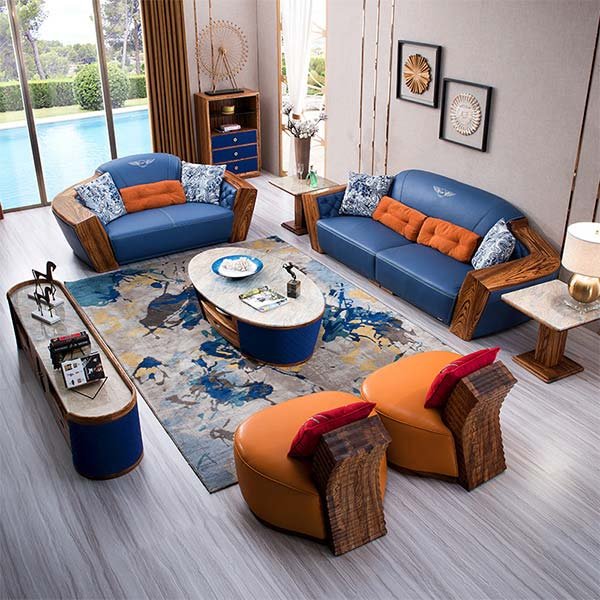
Let’s start with the color blue. Blue is often associated with calmness and tranquility. It has a soothing effect on the mind and can help reduce stress and anxiety. If you’re looking to create a peaceful and relaxing environment in your living room, a blue sofa might be the perfect choice.
On the other hand, if you want to add a touch of energy and excitement to your space, consider a red sofa. Red is a bold and vibrant color that is often associated with passion and intensity. It can stimulate the senses and create a sense of warmth and coziness. However, it’s important to use red in moderation, as too much of it can be overwhelming.
If you’re looking for a color that promotes creativity and productivity, consider a yellow sofa. Yellow is a cheerful and uplifting color that can help stimulate the mind and enhance focus. It’s a great choice for a home office or a space where you want to encourage productivity and inspiration.
If you prefer a more neutral and versatile color, consider a gray sofa. Gray is often associated with sophistication and elegance. It can create a sense of balance and harmony in your living room. Additionally, gray is a great backdrop for other colors, allowing you to easily change the look and feel of your space by adding colorful accessories.
Another popular choice for a sofa color is green. Green is often associated with nature and has a calming effect on the mind. It can create a sense of harmony and balance in your living room. Green is also known to promote feelings of relaxation and rejuvenation, making it a great choice for a space where you want to unwind and de-stress.
Lastly, let’s talk about the color white. White is often associated with purity and cleanliness. It can create a sense of openness and spaciousness in your living room. However, it’s important to note that white can also be perceived as cold and sterile. To avoid this, consider adding pops of color through pillows or throws to create a more inviting and cozy atmosphere.
In conclusion, the color of your sofa can have a significant impact on your mood and emotions. Understanding the psychology behind different colors can help you choose the right sofa color for your living room. Whether you want to create a calm and relaxing environment or add a touch of energy and excitement, there is a color that will suit your needs. So, take some time to consider the impact of color on your emotions and make a choice that will create the desired atmosphere in your home.
Choosing the Perfect Sofa Color to Enhance Productivity and Creativity
Choosing the Perfect Sofa Color to Enhance Productivity and Creativity
When it comes to designing a productive and creative space, every detail matters. From the layout of the room to the choice of furniture, each element can have a significant impact on the overall atmosphere. One often overlooked aspect is the color of the sofa. Believe it or not, the color of your sofa can influence your productivity and creativity. In this article, we will explore the psychology behind sofa colors and provide tips on choosing the right one for your space.
First and foremost, it is important to understand that different colors evoke different emotions and moods. For example, warm colors like red, orange, and yellow are known to stimulate energy and creativity. These colors can be a great choice if you want to create a vibrant and lively atmosphere in your workspace. On the other hand, cool colors like blue and green are known to promote calmness and relaxation. These colors can be ideal if you are looking to create a serene and focused environment.
When choosing the color of your sofa, it is essential to consider the purpose of the space. If you are designing a home office or a creative studio, you may want to opt for warm colors that can boost your energy and inspire your creativity. A red or orange sofa can be a bold statement piece that adds a pop of color to your space and motivates you to get things done. Alternatively, if you are designing a relaxation area or a reading nook, cool colors like blue or green can create a soothing and peaceful ambiance.
Another factor to consider is the size of the room. If you have a small space, it is generally recommended to choose lighter colors for your sofa. Lighter colors can make a room appear more spacious and open. On the other hand, if you have a large room, you have more flexibility in choosing darker colors. Darker colors can add depth and richness to a room, creating a cozy and intimate atmosphere.
In addition to the color of the sofa, it is also important to consider the material and texture. Leather sofas, for example, can add a touch of elegance and sophistication to a space. They are also easy to clean and maintain, making them a practical choice for busy individuals. Fabric sofas, on the other hand, can add warmth and comfort to a room. They come in a wide range of colors and patterns, allowing you to find the perfect match for your space.
In conclusion, choosing the right color for your sofa can have a significant impact on your productivity and creativity. Warm colors like red and orange can stimulate energy and inspiration, while cool colors like blue and green can promote calmness and focus. Consider the purpose of the space and the size of the room when making your decision. Additionally, think about the material and texture of the sofa to create the perfect balance of style and comfort. By taking these factors into account, you can create a space that enhances your productivity and creativity.
Psychological Effects of Sofa Colors on Relaxation and Stress Reduction
Psychological Effects of Sofa Colors on Relaxation and Stress Reduction
When it comes to choosing the right sofa color for your living room, you may not realize that the color you select can have a significant impact on your mood and overall well-being. The field of psychology has long studied the effects of color on human emotions, and this knowledge can be applied to the design of your home. In this article, we will explore the psychological effects of sofa colors on relaxation and stress reduction.
One of the most popular colors for sofas is blue. Blue is often associated with calmness and tranquility, making it an excellent choice for those looking to create a relaxing space. Research has shown that blue can help lower blood pressure and heart rate, promoting a sense of relaxation and reducing stress. Additionally, blue is known to stimulate the production of serotonin, a neurotransmitter that contributes to feelings of happiness and well-being.
Another color that can have a positive impact on relaxation is green. Green is often associated with nature and is known to have a soothing effect on the mind and body. Studies have shown that exposure to green environments can reduce stress and improve mood. Incorporating green into your sofa color can create a sense of harmony and balance in your living room, helping you unwind after a long day.
If you are looking for a color that promotes a sense of warmth and comfort, consider choosing a sofa in shades of brown or beige. These earthy tones are often associated with stability and security, creating a cozy atmosphere in your living space. Brown is also known to evoke a sense of grounding and can help reduce feelings of anxiety and restlessness.
For those who prefer a more vibrant and energetic atmosphere, a red sofa may be the perfect choice. Red is a color that is often associated with passion and excitement. It can stimulate the senses and increase energy levels. However, it is important to use red in moderation, as excessive exposure to this color can lead to feelings of agitation and restlessness.
When it comes to choosing the right sofa color for relaxation and stress reduction, it is essential to consider your personal preferences and the overall atmosphere you want to create in your living room. While blue and green are generally considered calming colors, some individuals may find them too cool or uninviting. In such cases, warmer colors like brown or beige can provide a sense of comfort and relaxation.
In conclusion, the color of your sofa can have a significant impact on your mood and overall well-being. By understanding the psychological effects of different colors, you can make an informed decision when selecting a sofa color for your living room. Whether you prefer the calming effects of blue and green or the warmth of brown and beige, choosing the right color can create a space that promotes relaxation and reduces stress. So, take some time to consider the psychological effects of sofa colors and create a living room that truly reflects your desired atmosphere.
Заключение
Заключение: Выбор цвета дивана на основе психологии может иметь влияние на общую атмосферу и настроение в помещении. Например, нейтральные цвета, такие как серый или бежевый, могут создавать спокойную и уютную обстановку. Яркие цвета, такие как красный или оранжевый, могут добавить энергии и стимулировать активность. Темные цвета, такие как черный или темно-синий, могут придать помещению элегантность и роскошь. Важно учитывать индивидуальные предпочтения и стиль оформления помещения при выборе цвета дивана.