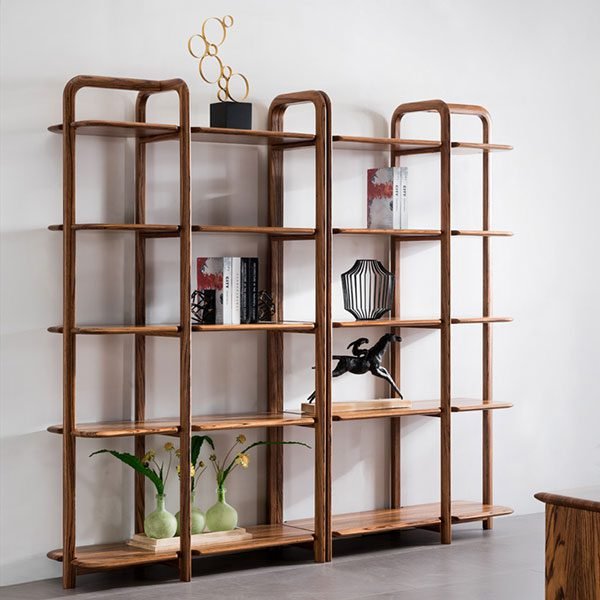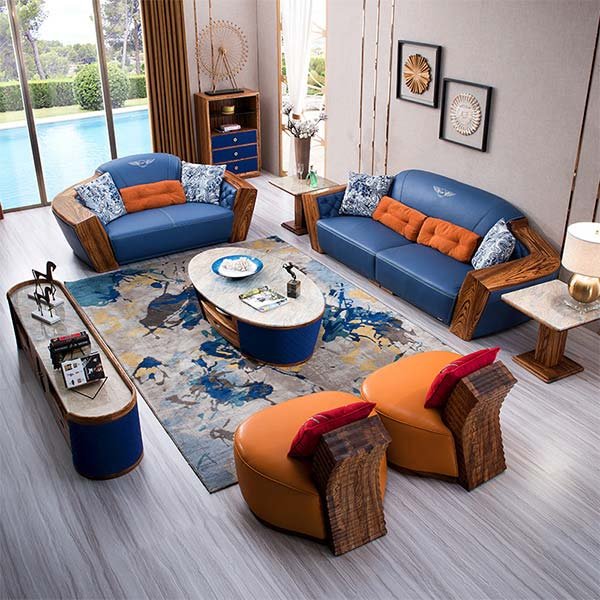
“Mix and match your way to a stylish bedroom!”
Mixing different styles
Mixing and matching bedroom furniture can be a great way to add personality and character to your space. While some may prefer a more cohesive look with matching sets, others may enjoy the eclectic and unique vibe that comes with mixing different styles. So, can you mix and match bedroom furniture? The answer is yes, but there are a few key things to keep in mind to ensure that your space looks cohesive and intentional.
When mixing different styles of bedroom furniture, it’s important to consider the overall aesthetic you’re going for. Are you aiming for a bohemian, eclectic look, or do you prefer a more modern and minimalist style? By having a clear vision of the vibe you want to create, you can better choose pieces that complement each other while still adding interest and variety to your space.
One way to mix and match bedroom furniture is by sticking to a cohesive color palette. By choosing pieces that share similar colors or tones, you can create a sense of unity in your space even if the styles are different. For example, pairing a sleek, modern bed frame with a vintage dresser in the same wood finish can create a harmonious look that ties the room together.
Another tip for mixing different styles of bedroom furniture is to pay attention to scale and proportion. While it’s okay to mix larger statement pieces with smaller accent pieces, it’s important to ensure that the overall balance of the room is maintained. For example, if you have a large, ornate headboard, pairing it with dainty bedside tables may create a visual imbalance. Instead, consider choosing bedside tables that are more substantial in size to complement the scale of the headboard.
In addition to considering color and scale, mixing and matching bedroom furniture also involves paying attention to texture and materials. Combining different textures, such as a plush velvet chair with a sleek metal bed frame, can add depth and visual interest to your space. Similarly, mixing materials like wood, metal, and glass can create a dynamic and layered look that feels curated and intentional.
Ultimately, the key to successfully mixing and matching bedroom furniture is to have a clear vision of the aesthetic you want to achieve and to approach the process with intentionality. By choosing pieces that complement each other in terms of color, scale, texture, and materials, you can create a cohesive and stylish space that reflects your personal taste and style.
In conclusion, mixing and matching bedroom furniture can be a fun and creative way to personalize your space. By following these tips and guidelines, you can confidently mix different styles of furniture to create a cohesive and visually appealing bedroom that reflects your unique personality and design sensibility. So go ahead, experiment with mixing and matching bedroom furniture, and create a space that is truly your own.
Coordinating colors
When it comes to decorating your bedroom, one of the key decisions you’ll need to make is how to coordinate your furniture. Many people wonder if it’s okay to mix and match different pieces, or if they should stick to a matching set. The good news is that mixing and matching bedroom furniture can actually create a more interesting and dynamic look in your space.
One of the most important things to consider when mixing and matching bedroom furniture is coordinating colors. While it’s not necessary for all of your furniture pieces to match perfectly, it’s a good idea to choose pieces that complement each other in terms of color. This will help create a cohesive look in your bedroom.
For example, if you have a dark wood bed frame, you might want to choose a dresser and nightstands in a similar wood tone to create a sense of harmony in the room. Alternatively, you could mix in some lighter wood pieces for contrast, as long as they complement the overall color scheme of the room.
Another option is to mix different materials and finishes in your bedroom furniture. For example, you could pair a metal bed frame with a wooden dresser and nightstands for a more eclectic look. Just make sure that the different materials and finishes work well together and don’t clash.
When mixing and matching bedroom furniture, it’s also important to consider the style of the pieces. While it’s okay to mix different styles, such as modern and traditional, it’s a good idea to choose pieces that have some common elements to tie them together. For example, you could mix a modern bed frame with traditional nightstands that have similar hardware or detailing.
In addition to coordinating colors, materials, and styles, it’s also important to consider the scale of your furniture pieces when mixing and matching. Make sure that the different pieces are proportionate to each other and to the size of your bedroom. For example, if you have a small bedroom, you might want to choose smaller-scale furniture pieces to avoid overwhelming the space.
Overall, mixing and matching bedroom furniture can be a great way to create a unique and personalized look in your space. By coordinating colors, materials, styles, and scale, you can create a cohesive and harmonious bedroom design that reflects your personal style. So go ahead and mix things up – you might be surprised at how well it turns out!
Playing with textures
Mixing and matching bedroom furniture can be a fun and creative way to add personality and style to your space. One way to achieve a cohesive look while mixing different pieces is by playing with textures.
Textures can add depth and visual interest to a room, making it more visually appealing. When mixing and matching bedroom furniture, consider incorporating different textures to create a harmonious and balanced look. For example, you can mix a sleek, modern bed frame with a rustic wooden dresser to create a unique and eclectic style.
One way to play with textures is by mixing different materials. For instance, you can pair a leather headboard with a metal nightstand for a modern industrial look. Mixing materials adds visual contrast and can create a dynamic and interesting space.
Another way to play with textures is by mixing different finishes. Combining matte and glossy finishes can create a sophisticated and elegant look. For example, you can mix a matte black bed frame with a glossy white dresser for a sleek and modern aesthetic.
Incorporating textiles is another way to play with textures in your bedroom. Adding a plush rug, cozy throw blankets, and soft pillows can create a warm and inviting atmosphere. Mixing different textiles can add dimension and coziness to your space.
When mixing and matching bedroom furniture, it’s important to consider the scale and proportion of each piece. Make sure that the furniture pieces complement each other in size and shape to create a cohesive look. For example, pairing a large, bulky bed frame with a small, delicate nightstand may create a visual imbalance.
To tie everything together, consider using a cohesive color palette. Choosing a color scheme that complements the different textures and materials in your bedroom can help create a unified and harmonious look. You can mix different shades and tones of the same color or opt for contrasting colors for a bold and eclectic style.
Overall, playing with textures is a great way to mix and match bedroom furniture while creating a visually interesting and cohesive space. By incorporating different materials, finishes, and textiles, you can add depth and personality to your bedroom. Remember to consider scale, proportion, and color when mixing and matching furniture to create a harmonious and stylish look.
Заключение
Yes, you can mix and match bedroom furniture to create a unique and personalized look.