Mastering the Art of Decorative Styling
The Importance of Color Harmony in Artful Arrangements
Artful Arrangements: Mastering the Art of Decorative Styling
The Importance of Color Harmony in Artful Arrangements
When it comes to creating visually appealing and aesthetically pleasing spaces, color harmony plays a crucial role. Whether you are arranging a bouquet of flowers, decorating a room, or curating an art display, understanding how colors work together is essential for achieving a harmonious and balanced composition.
Color harmony refers to the pleasing combination of colors that work well together. It involves understanding the color wheel, color theory, and the emotional impact that different colors can have on our perception. By utilizing color harmony in your artful arrangements, you can create a sense of unity, balance, and visual interest.
One of the fundamental principles of color harmony is the color wheel. The color wheel is a visual representation of the relationships between colors. It consists of primary colors (red, blue, and yellow), secondary colors (orange, green, and purple), and tertiary colors (a combination of primary and secondary colors). By understanding the relationships between these colors, you can create harmonious arrangements that are visually appealing.
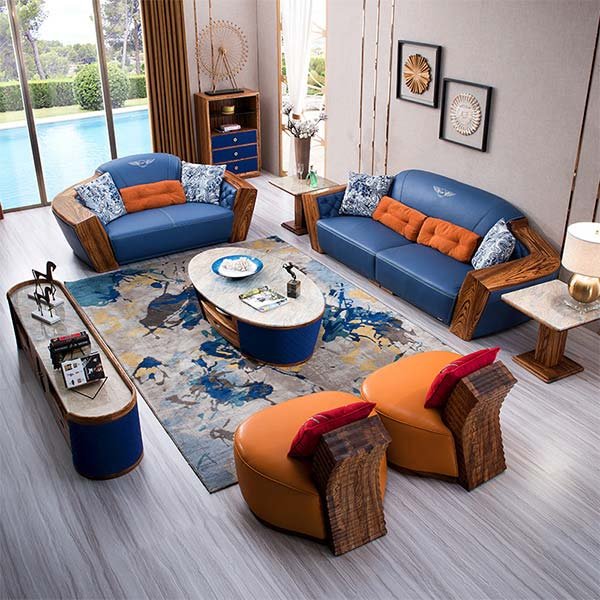
Complementary colors are colors that are opposite each other on the color wheel. When used together, they create a high contrast and vibrant effect. For example, pairing blue and orange or red and green can create a striking and eye-catching arrangement. However, it is important to use complementary colors in moderation to avoid overwhelming the viewer.
Analogous colors are colors that are adjacent to each other on the color wheel. They create a harmonious and soothing effect when used together. For instance, combining shades of blue and green or yellow and orange can create a calming and cohesive arrangement. Analogous colors are often used in nature-inspired compositions or to create a sense of tranquility in interior design.
Another important aspect of color harmony is understanding the emotional impact that different colors can have. Warm colors such as red, orange, and yellow are associated with energy, passion, and warmth. They can create a sense of excitement and intensity in an arrangement. On the other hand, cool colors like blue, green, and purple evoke feelings of calmness, serenity, and relaxation. They are often used to create a soothing and peaceful atmosphere.
When creating artful arrangements, it is crucial to consider the context and purpose of the space. Different colors can evoke different emotions and have varying effects on the viewer. For example, a vibrant and energetic color scheme might be suitable for a lively and dynamic space, such as a living room or a restaurant. In contrast, a more subdued and calming color palette might be more appropriate for a bedroom or a spa.
In addition to understanding the color wheel and the emotional impact of colors, it is important to consider the balance and proportion of colors in an arrangement. Too much of one color can overpower the composition, while too little can make it appear dull and uninteresting. By using transitional phrases such as “in addition,” “on the other hand,” and “however,” you can guide the reader through the different aspects of color harmony and emphasize the importance of finding the right balance.
In conclusion, color harmony is a vital element in artful arrangements. By understanding the relationships between colors, the emotional impact they have, and the balance and proportion within a composition, you can create visually appealing and harmonious arrangements. Whether you are arranging flowers, decorating a room, or curating an art display, mastering the art of color harmony will elevate your decorative styling to new heights.
Exploring Different Textures and Materials in Decorative Styling
Decorative styling is an art form that allows individuals to express their creativity and personal style in their living spaces. One of the key elements in mastering this art is the use of different textures and materials. By incorporating a variety of textures and materials, one can create a visually interesting and dynamic space that is both aesthetically pleasing and inviting.
When it comes to decorative styling, textures play a crucial role in adding depth and visual interest to a space. Textures can be rough, smooth, soft, or hard, and each one brings a unique element to the overall design. For example, a rough texture, such as a woven rug or a textured wallpaper, can add a sense of warmth and coziness to a room. On the other hand, a smooth texture, like a glass coffee table or a sleek leather sofa, can create a more modern and sophisticated look.
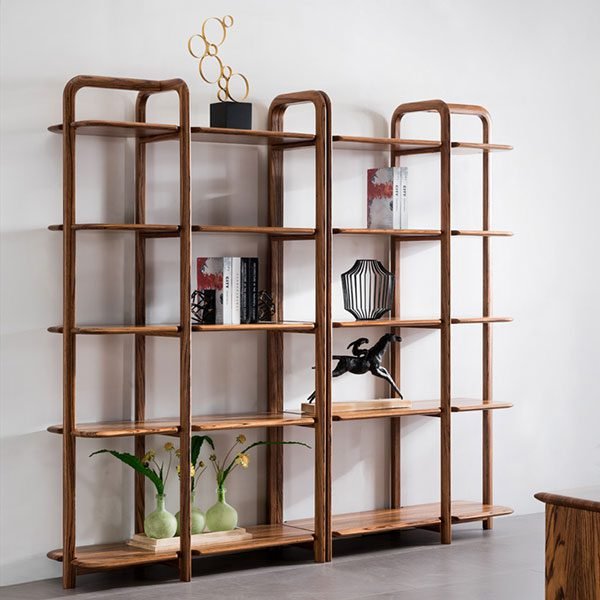
In addition to textures, the use of different materials can also greatly enhance the decorative styling of a space. Materials such as wood, metal, glass, and fabric each have their own distinct qualities and can be used to create different moods and atmospheres. For instance, the use of wood in furniture or flooring can bring a sense of warmth and natural beauty to a room. On the other hand, the use of metal accents, such as a chrome lamp or a brass mirror, can add a touch of glamour and sophistication.
When incorporating different textures and materials into a space, it is important to consider the overall theme and style of the room. For example, in a rustic-themed living room, the use of natural materials like wood and stone can help create a cozy and inviting atmosphere. On the other hand, in a contemporary-themed bedroom, the use of sleek and glossy materials like glass and metal can create a more modern and minimalist look.
Another important aspect to consider when exploring different textures and materials in decorative styling is the concept of balance. It is important to strike a balance between different textures and materials to create a harmonious and cohesive design. For example, if a room has a lot of rough textures, such as a textured wallpaper or a shaggy rug, it is important to balance it out with some smooth textures, such as a glass coffee table or a velvet sofa. This will help create a sense of visual balance and prevent the space from feeling overwhelming or cluttered.
In conclusion, exploring different textures and materials is a key element in mastering the art of decorative styling. By incorporating a variety of textures and materials, one can create a visually interesting and dynamic space that is both aesthetically pleasing and inviting. Whether it is the use of rough textures to add warmth and coziness or the use of smooth textures to create a modern and sophisticated look, textures play a crucial role in adding depth and visual interest to a space. Similarly, the use of different materials, such as wood, metal, glass, and fabric, can greatly enhance the decorative styling of a space and help create different moods and atmospheres. By striking a balance between different textures and materials, one can create a harmonious and cohesive design that is sure to impress. So, go ahead and experiment with different textures and materials to create your own artful arrangements in decorative styling.
Creating Eye-Catching Focal Points in Artful Arrangements
Creating Eye-Catching Focal Points in Artful Arrangements
When it comes to interior design, one of the most important aspects is creating eye-catching focal points. These focal points draw the viewer’s attention and serve as the centerpiece of a room. In artful arrangements, mastering the art of decorative styling is crucial to achieving this effect.
One effective way to create a focal point is by using color. By incorporating a bold and vibrant color into a room, you can instantly draw attention to a specific area. For example, a bright red accent wall in a living room can serve as a striking focal point. To enhance this effect, you can complement the wall with furniture and accessories in contrasting colors, such as black or white.
Another technique to create a focal point is through the use of scale and proportion. By incorporating a large piece of furniture or artwork into a room, you can instantly capture attention. For instance, a grand piano in a music room or a large painting above a fireplace can serve as captivating focal points. To ensure balance and harmony, it is important to consider the size of the room and the surrounding elements when selecting these statement pieces.
Texture is another element that can be utilized to create eye-catching focal points. By incorporating different textures into a space, you can add depth and visual interest. For example, a plush velvet sofa in a living room can create a luxurious focal point. To enhance this effect, you can pair it with a sleek glass coffee table or a textured rug. The contrast between the different textures will make the focal point even more captivating.
Lighting plays a crucial role in creating focal points as well. By using strategic lighting techniques, you can highlight specific areas and draw attention to them. For instance, a well-placed spotlight can illuminate a piece of artwork, making it the focal point of a room. Additionally, using decorative lighting fixtures, such as chandeliers or pendant lights, can also create stunning focal points. The soft glow and intricate designs of these fixtures will instantly capture attention.
Incorporating unique and unexpected elements into a space can also create eye-catching focal points. By adding a statement piece that stands out from the rest of the room, you can instantly draw attention. For example, a vintage typewriter on a desk in a home office or a bold sculpture in a hallway can serve as captivating focal points. These unexpected elements add personality and intrigue to a space, making it more visually appealing.
In conclusion, creating eye-catching focal points in artful arrangements is essential for achieving a visually stunning interior design. By utilizing techniques such as color, scale and proportion, texture, lighting, and incorporating unique elements, you can create captivating focal points that instantly draw attention. These focal points serve as the centerpiece of a room, adding depth, visual interest, and personality. Mastering the art of decorative styling is the key to creating artful arrangements that leave a lasting impression.
Conclusion
In conclusion, Artful Arrangements: Mastering the Art of Decorative Styling is a comprehensive guide that provides valuable insights and techniques for creating visually appealing and aesthetically pleasing arrangements. Whether it’s for home decor, events, or professional settings, this book offers practical tips and inspiration to help individuals master the art of decorative styling. With its emphasis on creativity, balance, and attention to detail, Artful Arrangements is a valuable resource for anyone looking to enhance their decorative skills and create stunning arrangements.