The Rise of Minimalist Living Room Furniture: Aesthetic and Functional Advancements
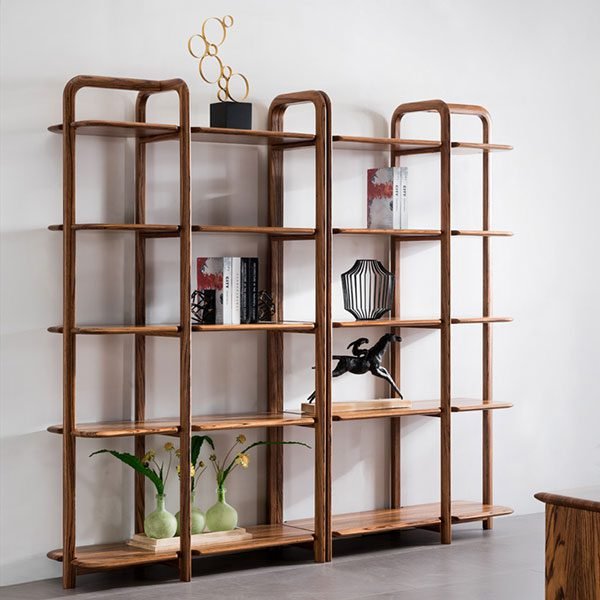
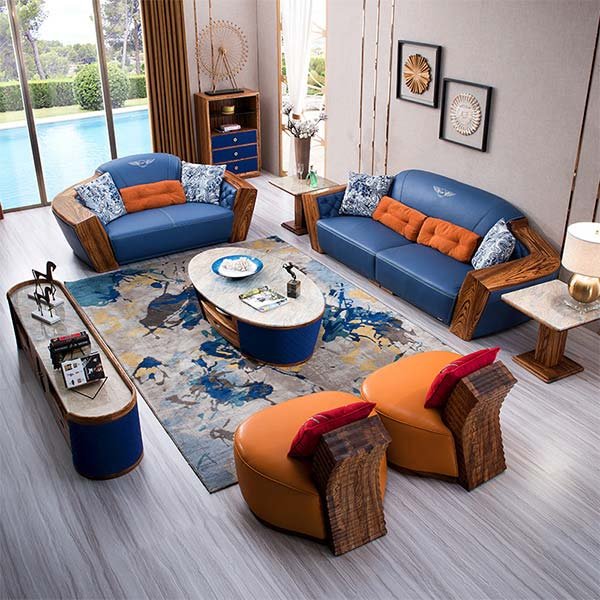
The living room is often considered the heart of the home, a space where families gather to relax, entertain, and spend quality time together. Over the years, the design and functionality of living room furniture have evolved to meet the changing needs and preferences of homeowners. One of the most significant trends in recent years has been the rise of minimalist living room furniture, which combines aesthetic appeal with functional advancements.
Minimalist living room furniture is characterized by clean lines, simple shapes, and a focus on functionality. This design philosophy is rooted in the belief that less is more, and that a clutter-free space can promote a sense of calm and tranquility. In a world where many people are overwhelmed by the constant barrage of information and stimuli, minimalist living room furniture offers a welcome respite from the chaos.
One of the key advantages of minimalist living room furniture is its versatility. These pieces are often designed to be modular, meaning they can be easily rearranged to suit different needs and spaces. For example, a minimalist sofa may have removable cushions that can be reconfigured to create a chaise lounge or a daybed. This flexibility allows homeowners to adapt their living room furniture to accommodate different activities, such as hosting a party or watching a movie.
In addition to their versatility, minimalist living room furniture is also known for its functionality. Many pieces are designed with built-in storage solutions, such as hidden compartments or drawers, which help to keep the space organized and clutter-free. This is particularly beneficial for smaller living rooms, where space is at a premium. By maximizing storage options, homeowners can make the most of their available space and create a more streamlined and efficient living area.
Another key feature of minimalist living room furniture is its focus on comfort. While these pieces may have a sleek and streamlined appearance, they are often designed with ergonomics in mind. Cushions and upholstery are carefully chosen for their comfort and durability, ensuring that homeowners can relax and unwind in style. Additionally, minimalist living room furniture often incorporates innovative materials and technologies, such as memory foam or adjustable reclining mechanisms, to enhance the overall comfort and functionality of the pieces.
The aesthetic appeal of minimalist living room furniture cannot be overlooked. These pieces are often characterized by their sleek and understated design, which can complement a wide range of interior styles. Whether your living room is decorated in a contemporary, traditional, or eclectic style, minimalist furniture can seamlessly blend in and enhance the overall aesthetic. The clean lines and neutral color palettes of minimalist furniture also create a sense of harmony and balance, making the space feel more inviting and cohesive.
In conclusion, the rise of minimalist living room furniture has brought about significant advancements in both aesthetics and functionality. These pieces offer a versatile and adaptable solution for homeowners who value simplicity, functionality, and comfort. With their clean lines, modular designs, and focus on storage and comfort, minimalist living room furniture is a perfect choice for those looking to create a clutter-free and stylish living space.
Exploring the Influence of Technology on Living Room Furniture: Smart Features and Integration
The living room has always been the heart of the home, a place where families gather to relax, entertain, and spend quality time together. Over the years, living room furniture has evolved to meet the changing needs and preferences of homeowners. One of the most significant influences on the evolution of living room furniture is technology. In this article, we will explore the impact of technology on living room furniture and how modern designs have embraced smart features and integration.
Technology has revolutionized every aspect of our lives, and the living room is no exception. With the advent of smart devices and the Internet of Things (IoT), homeowners now have the ability to control various aspects of their living room with just a few taps on their smartphones or voice commands. This has led to the rise of smart living room furniture that seamlessly integrates with these technologies.
One of the most popular smart features in modern living room furniture is wireless charging. Gone are the days of tangled cords and searching for outlets. Many coffee tables and side tables now come equipped with built-in wireless charging pads, allowing you to conveniently charge your devices while you relax. This not only eliminates clutter but also ensures that your devices are always within reach.
Another smart feature that has gained popularity is voice control. Imagine being able to control your TV, sound system, and even the lighting in your living room with just your voice. Smart sofas and recliners now come with integrated voice assistants, such as Amazon Alexa or Google Assistant, allowing you to effortlessly control your living room environment. Whether you want to dim the lights for a cozy movie night or change the channel without reaching for the remote, voice control technology has made it possible.
Integration is another key aspect of modern living room furniture. With the rise of smart TVs and streaming services, homeowners are looking for furniture that seamlessly integrates with their entertainment systems. Many entertainment centers now come with built-in cable management systems and hidden compartments to keep wires and devices out of sight. Additionally, some sofas and recliners feature built-in speakers and subwoofers, providing a truly immersive audio experience.
The integration of technology in living room furniture has not only enhanced convenience but also improved comfort. Many modern sofas and recliners now come with built-in massage and heating features. Imagine coming home after a long day and sinking into a plush recliner that not only provides support but also soothes your muscles with a gentle massage and warmth. These features not only promote relaxation but also contribute to overall well-being.
In conclusion, technology has had a profound impact on the evolution of living room furniture. Smart features such as wireless charging and voice control have made our lives more convenient, while integration with entertainment systems has enhanced our viewing and listening experiences. The incorporation of massage and heating features has taken comfort to a whole new level. As technology continues to advance, we can expect to see even more innovative designs that seamlessly blend technology and furniture, creating living room spaces that are both functional and stylish.
Sustainable Living Room Furniture: Eco-friendly Materials and Design Innovations
The living room is often considered the heart of the home, a place where families gather to relax, entertain, and spend quality time together. Over the years, the design and functionality of living room furniture have evolved to meet the changing needs and preferences of homeowners. In recent years, there has been a growing demand for sustainable living room furniture, with eco-friendly materials and design innovations taking center stage.
One of the key aspects of sustainable living room furniture is the use of eco-friendly materials. Traditional furniture often relies on materials such as wood, leather, and synthetic fabrics, which can have a significant impact on the environment. However, modern designs are incorporating more sustainable alternatives. For example, bamboo is a popular choice for furniture frames due to its fast growth and renewability. Additionally, recycled materials such as reclaimed wood and recycled plastic are being used to create unique and environmentally friendly pieces.
Design innovations are also playing a crucial role in the evolution of sustainable living room furniture. Manufacturers are now focusing on creating furniture that is not only aesthetically pleasing but also functional and space-saving. For instance, modular furniture allows homeowners to customize their living room layout according to their needs. These modular pieces can be easily rearranged and reconfigured, making them ideal for small spaces or those who frequently entertain guests.
Another design innovation that is gaining popularity is the use of multifunctional furniture. With limited space becoming a common issue in modern homes, furniture that serves multiple purposes is highly sought after. For example, a sofa that can be transformed into a bed or a coffee table that doubles as a storage unit can help maximize space and reduce clutter. These multifunctional pieces not only save space but also contribute to a more sustainable lifestyle by reducing the need for additional furniture.
In addition to eco-friendly materials and design innovations, sustainable living room furniture also focuses on ethical manufacturing practices. Many manufacturers are now committed to fair trade and ensuring that their products are produced in factories that provide safe working conditions and fair wages. This commitment to ethical manufacturing not only benefits the workers but also ensures that the furniture is made to the highest quality standards.
Furthermore, sustainable living room furniture is designed to be durable and long-lasting. Unlike traditional furniture that may need to be replaced after a few years, sustainable pieces are built to withstand the test of time. This not only reduces waste but also saves homeowners money in the long run.
In conclusion, the evolution of living room furniture has seen a shift towards sustainable designs that prioritize eco-friendly materials, design innovations, ethical manufacturing practices, and durability. Homeowners are increasingly seeking furniture that not only enhances the aesthetics of their living spaces but also aligns with their values of sustainability and environmental responsibility. With the growing demand for sustainable living room furniture, manufacturers are continuously pushing the boundaries of design and functionality to create pieces that are both stylish and eco-friendly. By choosing sustainable living room furniture, homeowners can create a space that not only reflects their personal style but also contributes to a greener and more sustainable future.
Conclusion
In conclusion, the evolution of living room furniture has seen the unveiling of modern designs. These designs have brought about innovative and functional pieces that cater to the changing needs and preferences of individuals. From sleek and minimalist designs to multifunctional and space-saving furniture, modern living room furniture offers a wide range of options for creating stylish and comfortable living spaces. With the incorporation of new materials, technologies, and design concepts, the evolution of living room furniture continues to shape the way we furnish and utilize our living spaces.