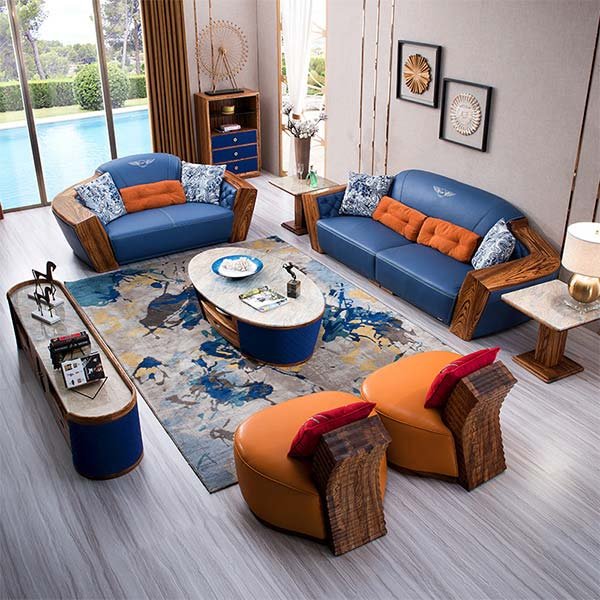
“Create a sustainable sanctuary with our eco-friendly bedroom furniture sourcing guide.”
Sustainable Materials for Bedroom Furniture
When it comes to furnishing a bedroom for an eco-friendly project, choosing sustainable materials is key. Sustainable materials are those that are sourced and produced in a way that minimizes harm to the environment and promotes social responsibility. By opting for sustainable materials in your bedroom furniture, you can reduce your carbon footprint and support ethical practices in the furniture industry.
One popular sustainable material for bedroom furniture is reclaimed wood. Reclaimed wood is salvaged from old buildings, barns, and other structures, giving it a unique and rustic look. By using reclaimed wood in your bedroom furniture, you are not only preventing new trees from being cut down but also giving new life to materials that would otherwise go to waste. Reclaimed wood is durable and long-lasting, making it a great choice for bed frames, dressers, and nightstands.
Another sustainable material to consider for bedroom furniture is bamboo. Bamboo is a fast-growing grass that can be harvested in just a few years, making it a renewable resource. Bamboo is also strong and durable, making it a great choice for bed frames, headboards, and shelving units. Additionally, bamboo is naturally resistant to pests and moisture, making it a low-maintenance option for bedroom furniture.
Cork is another sustainable material that is gaining popularity in the furniture industry. Cork is harvested from the bark of cork oak trees, which can be harvested without harming the tree. Cork is lightweight, durable, and water-resistant, making it a great choice for bedroom furniture such as bedside tables, storage boxes, and wall art. Cork is also a natural insulator, helping to regulate temperature and reduce noise in the bedroom.
For those looking for a more modern and sleek aesthetic, metal can be a sustainable material option for bedroom furniture. Look for furniture made from recycled metal, such as aluminum or steel. Recycled metal is energy-efficient to produce and can be recycled again at the end of its life cycle. Metal furniture can add an industrial touch to your bedroom while still being environmentally friendly.
When sourcing sustainable materials for bedroom furniture, it is important to consider the certifications and standards that the materials meet. Look for furniture that is certified by organizations such as the Forest Stewardship Council (FSC) or the Sustainable Furnishings Council (SFC). These certifications ensure that the materials used in the furniture are sourced responsibly and meet strict environmental and social criteria.
In conclusion, choosing sustainable materials for bedroom furniture is a great way to reduce your environmental impact and support ethical practices in the furniture industry. Reclaimed wood, bamboo, cork, and recycled metal are all excellent options for eco-friendly bedroom furniture. By selecting furniture that is certified by reputable organizations, you can ensure that your bedroom is not only stylish but also sustainable. Make a conscious choice when furnishing your bedroom and opt for sustainable materials that will benefit both the planet and your well-being.
Upcycling and Repurposing Furniture Pieces
When embarking on an eco-friendly project, upcycling and repurposing furniture pieces can be a great way to reduce waste and create a unique and sustainable living space. By giving new life to old furniture, you can not only save money but also contribute to a more environmentally friendly lifestyle. In this section, we will explore some tips and tricks for sourcing bedroom furniture for your upcycling and repurposing projects.
One of the best places to start looking for furniture pieces to upcycle is at thrift stores, garage sales, and flea markets. These places often have a wide selection of furniture at affordable prices, making it easy to find pieces that can be transformed into something new and exciting. When shopping at these locations, keep an open mind and look for pieces that have good bones but may need a little TLC.
Another great option for sourcing furniture for upcycling projects is to ask friends and family if they have any old furniture they no longer need. Many people are happy to get rid of old furniture that is taking up space in their homes, and you may be able to score some great pieces for free. Additionally, you can check online marketplaces such as Craigslist or Facebook Marketplace for free or low-cost furniture that can be repurposed.
When selecting furniture pieces for upcycling, it is important to consider the materials and construction of the piece. Look for solid wood furniture that is in good condition, as these pieces are more likely to withstand the wear and tear of being repurposed. Avoid furniture that is made of particle board or laminate, as these materials are difficult to work with and may not hold up well over time.
Once you have found the perfect furniture pieces for your upcycling project, it is time to get creative. There are endless possibilities for repurposing furniture, from painting and staining to adding new hardware or upholstery. Consider giving an old dresser a fresh coat of paint in a bold color, or turning an old headboard into a stylish bench for your bedroom.
When upcycling furniture, it is important to use eco-friendly materials and techniques whenever possible. Look for low-VOC paints and finishes, as these products are better for the environment and your health. Additionally, consider using reclaimed or salvaged materials to add a unique touch to your repurposed furniture pieces.
In conclusion, sourcing bedroom furniture for eco-friendly upcycling and repurposing projects can be a fun and rewarding experience. By shopping at thrift stores, garage sales, and flea markets, asking friends and family for old furniture, and exploring online marketplaces, you can find affordable pieces that can be transformed into something new and exciting. Remember to consider the materials and construction of the furniture pieces you choose, and use eco-friendly materials and techniques when upcycling. With a little creativity and some elbow grease, you can create a sustainable and stylish bedroom that reflects your personal style and values.
Eco-Friendly Finishes and Paints for Bedroom Furniture
When it comes to creating an eco-friendly bedroom, one of the most important aspects to consider is the type of finishes and paints used on the furniture. Traditional finishes and paints often contain harmful chemicals that can off-gas into the air, contributing to indoor air pollution and potentially harming your health. Fortunately, there are now a wide range of eco-friendly finishes and paints available that are not only better for the environment, but also safer for you and your family.
One of the most popular eco-friendly finishes for bedroom furniture is natural oil finishes. These finishes are made from plant-based oils, such as linseed oil or tung oil, and are free from harmful chemicals. Natural oil finishes penetrate the wood to enhance its natural beauty and provide a durable, water-resistant finish. They are also easy to maintain and can be reapplied as needed to keep your furniture looking its best.
Another eco-friendly finish option is water-based finishes. These finishes are made from water, rather than solvents, and are low in volatile organic compounds (VOCs). Water-based finishes are available in a variety of sheens, from matte to high gloss, and provide a durable, long-lasting finish that is resistant to scratches and stains. They are also easy to clean up with soap and water, making them a convenient choice for DIY projects.
For those who prefer a more natural look, there are also eco-friendly waxes and polishes available. These products are made from natural ingredients, such as beeswax or carnauba wax, and provide a soft, lustrous finish that enhances the beauty of the wood. Waxes and polishes are easy to apply and can be buffed to a high shine, giving your furniture a luxurious look and feel.
When it comes to painting bedroom furniture, there are also eco-friendly options to consider. Low-VOC or zero-VOC paints are now widely available and are a great choice for those looking to reduce their environmental impact. These paints are free from harmful chemicals and have a low odor, making them safer to use indoors. Low-VOC and zero-VOC paints are available in a wide range of colors and finishes, so you can easily find the perfect shade to complement your bedroom decor.
If you prefer a more natural look, consider using milk paint for your bedroom furniture. Milk paint is made from natural ingredients, such as milk protein, lime, and earth pigments, and provides a soft, matte finish that is perfect for a rustic or farmhouse-style bedroom. Milk paint is easy to apply and can be distressed for a vintage look, making it a versatile choice for DIY projects.
In conclusion, when sourcing bedroom furniture for eco-friendly projects, it is important to consider the type of finishes and paints used on the furniture. Natural oil finishes, water-based finishes, waxes, and polishes are all great options for enhancing the beauty of wood furniture while minimizing your environmental impact. Low-VOC and zero-VOC paints, as well as milk paint, are also excellent choices for adding color and style to your bedroom furniture in a safe and eco-friendly way. By choosing eco-friendly finishes and paints, you can create a healthy and sustainable bedroom that is both beautiful and environmentally responsible.
Conclusion
In conclusion, sourcing eco-friendly bedroom furniture for projects is essential for promoting sustainability and reducing environmental impact. By choosing furniture made from sustainable materials, such as reclaimed wood or bamboo, and manufactured using eco-friendly practices, designers and consumers can create beautiful and functional spaces while also supporting the health of the planet. It is important to research and carefully select suppliers and manufacturers that prioritize sustainability in their production processes to ensure that the furniture chosen for eco-friendly projects aligns with environmental values.