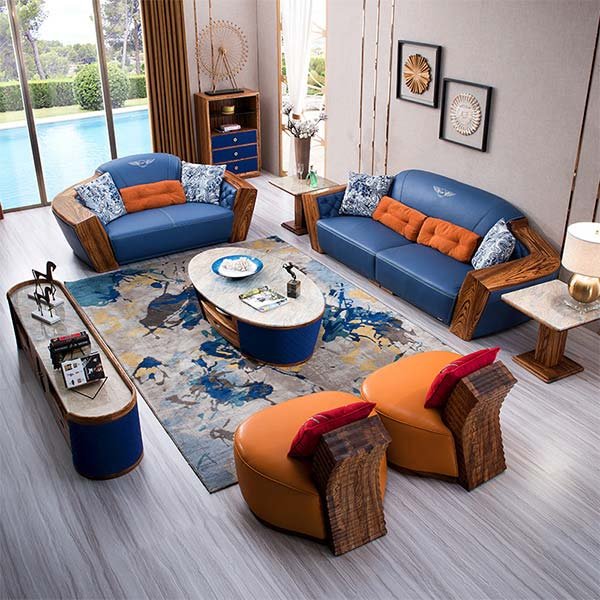
“Choosing the perfect hues for your dream bedroom.”
Color Psychology: How to Choose Bedroom Furniture Colors Based on Emotions
Color psychology plays a significant role in interior design, especially when it comes to selecting the right colors for bedroom furniture projects. The colors we choose for our living spaces can have a profound impact on our emotions and overall well-being. When it comes to selecting colors for bedroom furniture, it’s essential to consider how different hues can evoke specific emotions and create the desired atmosphere in the room.
One of the first things to consider when choosing colors for bedroom furniture is the overall mood you want to create in the space. Warm colors like red, orange, and yellow are known for their energizing and stimulating effects. These colors can create a cozy and inviting atmosphere in the bedroom, perfect for those who want a space that feels warm and welcoming. On the other hand, cool colors like blue, green, and purple are known for their calming and soothing effects. These colors can create a serene and relaxing atmosphere in the bedroom, ideal for those who want a space that promotes rest and relaxation.
When selecting colors for bedroom furniture, it’s also essential to consider the size and layout of the room. Dark colors like black, navy, and charcoal can make a room feel smaller and more intimate, while light colors like white, cream, and pastels can make a room feel larger and more spacious. If you have a small bedroom, opting for light-colored furniture can help open up the space and make it feel more airy and expansive. Conversely, if you have a large bedroom, dark-colored furniture can create a sense of coziness and intimacy.
Another factor to consider when choosing colors for bedroom furniture is the existing color scheme of the room. It’s essential to select colors that complement the walls, flooring, and other decor elements in the space. If you have neutral-colored walls, you can opt for furniture in bold and vibrant hues to add a pop of color and visual interest to the room. If you have walls in a specific color, you can choose furniture in complementary or contrasting colors to create a cohesive and harmonious look.
In addition to considering the mood, size, layout, and existing color scheme of the room, it’s also essential to think about your personal preferences and style when selecting colors for bedroom furniture. Your bedroom is a reflection of your personality and taste, so it’s crucial to choose colors that resonate with you and make you feel comfortable and happy. Whether you prefer bold and dramatic colors or soft and subtle hues, it’s essential to select colors that make you feel good and create a space that you love spending time in.
In conclusion, selecting the right colors for bedroom furniture projects is a crucial aspect of interior design. By considering the mood, size, layout, existing color scheme, and personal preferences, you can create a bedroom that is not only visually appealing but also promotes a sense of well-being and relaxation. Whether you opt for warm and energizing hues or cool and calming tones, choosing the right colors for bedroom furniture can transform your space into a sanctuary where you can unwind and recharge.
Matching Colors: Tips for Selecting Bedroom Furniture Colors that Complement Each Other
Selecting the right colors for bedroom furniture projects can be a daunting task. With so many options available, it can be overwhelming to decide which colors will work best together. However, by following a few simple tips, you can ensure that your bedroom furniture colors complement each other and create a cohesive and harmonious look.
One of the first things to consider when selecting bedroom furniture colors is the overall color scheme of the room. If you already have a color scheme in mind, such as a neutral palette or a bold and vibrant scheme, you will want to choose furniture colors that will work well with that scheme. For example, if you have a room with neutral walls and bedding, you may want to choose furniture in complementary neutral tones, such as whites, grays, or beiges. On the other hand, if you have a room with bold and vibrant walls, you may want to choose furniture in more subdued tones to balance out the room.
Another important factor to consider when selecting bedroom furniture colors is the size and layout of the room. If you have a small bedroom, you may want to choose furniture in lighter colors to create a sense of space and openness. Lighter colors can help to reflect light and make the room feel larger. On the other hand, if you have a large bedroom, you may want to choose furniture in darker colors to create a cozy and intimate atmosphere. Darker colors can help to create a sense of warmth and comfort in a larger space.
When selecting bedroom furniture colors, it is also important to consider the style of the furniture. If you have a modern or contemporary style bedroom, you may want to choose furniture in sleek and minimalist colors, such as black, white, or gray. These colors can help to create a clean and streamlined look that is characteristic of modern design. On the other hand, if you have a more traditional or classic style bedroom, you may want to choose furniture in warmer and richer colors, such as browns, reds, or greens. These colors can help to create a sense of elegance and sophistication that is characteristic of traditional design.
In addition to considering the overall color scheme, size, layout, and style of the room, it is also important to consider the mood and atmosphere you want to create in your bedroom. Different colors can evoke different emotions and feelings, so it is important to choose colors that will help you achieve the desired mood. For example, if you want to create a calm and relaxing atmosphere in your bedroom, you may want to choose furniture in soft and soothing colors, such as blues, greens, or pastels. These colors can help to create a sense of tranquility and serenity in the room. On the other hand, if you want to create a bold and energetic atmosphere in your bedroom, you may want to choose furniture in vibrant and bold colors, such as reds, oranges, or yellows. These colors can help to create a sense of energy and excitement in the room.
In conclusion, selecting the right colors for bedroom furniture projects is an important aspect of creating a cohesive and harmonious look in your bedroom. By considering the overall color scheme, size, layout, style, and mood of the room, you can choose furniture colors that complement each other and create the desired atmosphere. Whether you prefer neutral tones, bold colors, modern design, or traditional elegance, there are endless possibilities for creating a beautiful and stylish bedroom with the right furniture colors.
Personal Style: Finding the Perfect Bedroom Furniture Colors to Reflect Your Taste and Personality
Selecting the right colors for bedroom furniture projects is an important decision that can greatly impact the overall look and feel of your space. The colors you choose should reflect your personal style and personality, creating a cohesive and harmonious design scheme. With so many options available, it can be overwhelming to make a decision. However, by following a few simple guidelines, you can easily select the perfect colors for your bedroom furniture projects.
When choosing colors for your bedroom furniture, it is important to consider the overall style and aesthetic of your space. Are you going for a modern, minimalist look, or do you prefer a more traditional and classic design? The colors you choose should complement the existing decor in your bedroom, creating a cohesive and unified look. If you are unsure of where to start, consider taking inspiration from your favorite pieces of art, fabric swatches, or even nature.
One of the most important factors to consider when selecting colors for bedroom furniture is the size of your space. If you have a small bedroom, it is best to stick to lighter colors such as whites, creams, and pastels. These colors will help to create the illusion of a larger space, making your bedroom feel more open and airy. On the other hand, if you have a larger bedroom, you can experiment with darker colors such as navy, charcoal, or deep greens. These colors can add a sense of coziness and intimacy to your space, creating a warm and inviting atmosphere.
Another important consideration when selecting colors for bedroom furniture is your personal taste and personality. Do you prefer bold and vibrant colors, or do you gravitate towards more muted and neutral tones? Your bedroom is a reflection of who you are, so it is important to choose colors that resonate with you on a personal level. If you are unsure of what colors best represent your style, consider creating a mood board or color palette to help guide your decision.
When selecting colors for bedroom furniture, it is also important to consider the mood you want to create in your space. Do you want your bedroom to feel calm and serene, or do you prefer a more energetic and vibrant atmosphere? Lighter colors such as blues, greens, and soft yellows can create a sense of tranquility and relaxation, perfect for unwinding after a long day. On the other hand, darker colors such as rich purples, deep reds, and moody grays can add a sense of drama and sophistication to your space.
In conclusion, selecting the right colors for bedroom furniture projects is a personal and important decision that should not be taken lightly. By considering factors such as the style of your space, the size of your bedroom, your personal taste and personality, and the mood you want to create, you can easily choose colors that reflect your unique style and create a harmonious and cohesive design scheme. Remember to take your time and experiment with different color combinations until you find the perfect match for your bedroom furniture projects.
Conclusion
When selecting colors for bedroom furniture projects, consider the overall style and mood you want to create in the room. Choose colors that complement each other and create a cohesive look. Take into account the size of the room and the amount of natural light it receives. Experiment with different color combinations and don’t be afraid to mix and match. Ultimately, choose colors that make you feel comfortable and happy in your bedroom space.