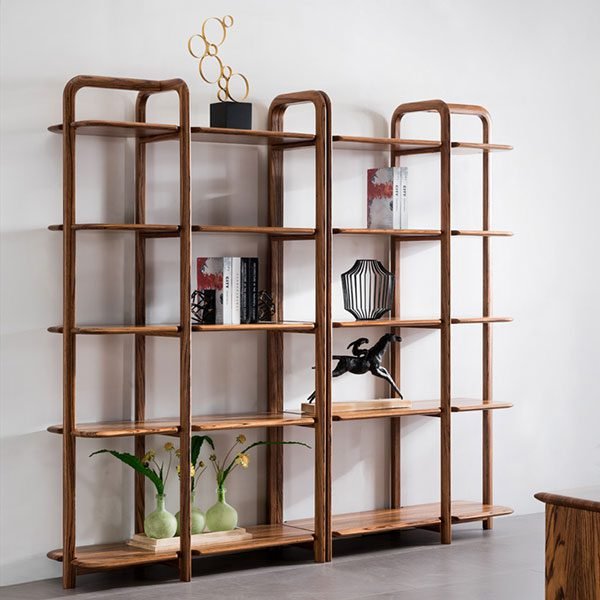
“Efficiently organize, track, and optimize your dining room furniture inventory with ease.”
Effective Inventory Tracking Systems for Dining Room Furniture Wholesale Business
Managing inventory in a dining room furniture wholesale business is crucial for ensuring smooth operations and maximizing profits. With the right inventory tracking systems in place, you can effectively monitor stock levels, track sales trends, and make informed decisions about purchasing and pricing. In this article, we will discuss some key strategies for managing inventory in a dining room furniture wholesale business.
One of the first steps in managing inventory effectively is to implement a reliable inventory tracking system. This system should allow you to track the movement of each item in your inventory, from the moment it arrives at your warehouse to the moment it is sold to a customer. By keeping accurate records of your inventory levels, you can avoid overstocking or running out of popular items.
There are several different types of inventory tracking systems available, ranging from simple spreadsheets to sophisticated software programs. The key is to choose a system that is tailored to the specific needs of your business and provides real-time data on inventory levels, sales trends, and customer preferences. This will allow you to make informed decisions about which items to reorder, when to restock, and how to price your products competitively.
In addition to implementing a reliable inventory tracking system, it is also important to conduct regular audits of your inventory. This involves physically counting and verifying the quantity of each item in your warehouse to ensure that your records are accurate. By conducting regular audits, you can identify any discrepancies or errors in your inventory records and take corrective action to prevent stockouts or overstocking.
Another key strategy for managing inventory effectively is to establish reorder points for each item in your inventory. A reorder point is the minimum quantity of a product that you should have on hand before placing a new order. By setting reorder points based on sales trends and lead times, you can ensure that you always have enough stock on hand to meet customer demand without tying up excess capital in excess inventory.
Furthermore, it is important to establish clear communication channels with your suppliers to ensure timely delivery of new inventory. By maintaining open lines of communication with your suppliers, you can avoid delays in receiving new stock and minimize the risk of stockouts. This will help you maintain a steady supply of inventory and prevent disruptions to your business operations.
In conclusion, managing inventory in a dining room furniture wholesale business requires careful planning, attention to detail, and the right tools and strategies. By implementing a reliable inventory tracking system, conducting regular audits, establishing reorder points, and maintaining open communication with suppliers, you can effectively manage your inventory and maximize profits. With these key strategies in place, you can ensure that your dining room furniture wholesale business runs smoothly and efficiently.
Strategies for Optimizing Inventory Levels in Dining Room Furniture Wholesale Business
Managing inventory in a dining room furniture wholesale business is crucial for maintaining profitability and customer satisfaction. Proper inventory management ensures that you have the right products in stock at the right time, minimizing stockouts and overstock situations. In this article, we will discuss strategies for optimizing inventory levels in your dining room furniture wholesale business.
One of the first steps in managing inventory effectively is to conduct a thorough analysis of your sales data. By examining historical sales trends, you can identify which products are selling well and which ones are not. This information will help you make informed decisions about which items to stock more of and which ones to reduce or eliminate from your inventory.
Another important aspect of inventory management is forecasting demand. By using sales data, market trends, and other relevant information, you can predict how much of each product you will need in the future. This will help you avoid stockouts and ensure that you have enough inventory to meet customer demand.
In addition to forecasting demand, it is also important to consider lead times when managing inventory. Lead time is the amount of time it takes for a product to be delivered after it is ordered. By factoring lead times into your inventory planning, you can ensure that you have enough stock on hand to meet customer demand while minimizing excess inventory.
One strategy for optimizing inventory levels is to implement a just-in-time inventory system. Just-in-time inventory involves ordering products only when they are needed, rather than keeping large quantities of stock on hand. This can help reduce carrying costs and minimize the risk of overstock situations.
Another strategy for managing inventory effectively is to establish reorder points for each product. A reorder point is the level of inventory at which you should reorder a product to avoid stockouts. By setting reorder points based on sales data and lead times, you can ensure that you have enough stock on hand to meet customer demand without carrying excess inventory.
It is also important to regularly review and update your inventory management processes. By conducting regular audits of your inventory, you can identify any discrepancies or inefficiencies and make necessary adjustments. This will help you maintain accurate inventory levels and improve overall efficiency in your business.
In conclusion, managing inventory in a dining room furniture wholesale business is essential for maintaining profitability and customer satisfaction. By analyzing sales data, forecasting demand, considering lead times, implementing just-in-time inventory systems, establishing reorder points, and regularly reviewing and updating inventory management processes, you can optimize inventory levels and improve overall efficiency in your business. By following these strategies, you can ensure that you have the right products in stock at the right time, leading to increased sales and customer satisfaction.
Importance of Regular Inventory Audits in Dining Room Furniture Wholesale Business
Inventory management is a crucial aspect of running a successful dining room furniture wholesale business. Keeping track of your inventory levels, knowing what products are selling well, and ensuring that you have enough stock on hand to meet customer demand are all essential for maintaining a profitable operation. One key tool in effective inventory management is conducting regular inventory audits.
Regular inventory audits involve physically counting and verifying the quantity of each item in your warehouse or showroom. This process allows you to identify any discrepancies between your records and the actual stock on hand, helping you to pinpoint areas where theft, shrinkage, or other issues may be occurring. By conducting these audits on a regular basis, you can ensure that your inventory records are accurate and up-to-date, enabling you to make informed decisions about purchasing, pricing, and sales strategies.
One of the primary benefits of regular inventory audits is that they help to prevent stockouts and overstock situations. Stockouts occur when you run out of a popular item, leading to lost sales and dissatisfied customers. On the other hand, overstock situations can tie up valuable capital and warehouse space, reducing your profitability. By conducting regular audits, you can identify which items are selling well and which are not, allowing you to adjust your ordering and stocking levels accordingly.
Another important reason to conduct regular inventory audits is to deter theft and shrinkage. Unfortunately, theft and shrinkage are common problems in the retail industry, and dining room furniture wholesale businesses are not immune to these issues. By regularly auditing your inventory, you can quickly identify any discrepancies and take action to address the root causes of these problems. This may involve implementing stricter security measures, conducting employee training on theft prevention, or reevaluating your inventory management processes.
In addition to preventing stockouts and reducing theft, regular inventory audits can also help you to improve your overall operational efficiency. By maintaining accurate inventory records, you can streamline your ordering and restocking processes, reducing the time and effort required to manage your inventory. This can lead to cost savings, increased productivity, and a more streamlined operation overall.
When conducting inventory audits, it is important to use a systematic approach to ensure accuracy and consistency. This may involve using barcode scanners, inventory management software, or other tools to help streamline the counting process. It is also important to involve multiple employees in the audit process to reduce the risk of errors or discrepancies.
In conclusion, regular inventory audits are a critical component of effective inventory management in a dining room furniture wholesale business. By conducting these audits on a regular basis, you can prevent stockouts, reduce theft and shrinkage, improve operational efficiency, and make informed decisions about your inventory levels. By investing the time and resources into conducting regular audits, you can help ensure the long-term success and profitability of your business.
Conclusion
In conclusion, managing inventory in a dining room furniture wholesale business involves implementing efficient inventory tracking systems, conducting regular audits, forecasting demand accurately, optimizing storage space, and establishing strong relationships with suppliers. By following these strategies, businesses can effectively manage their inventory and ensure smooth operations.