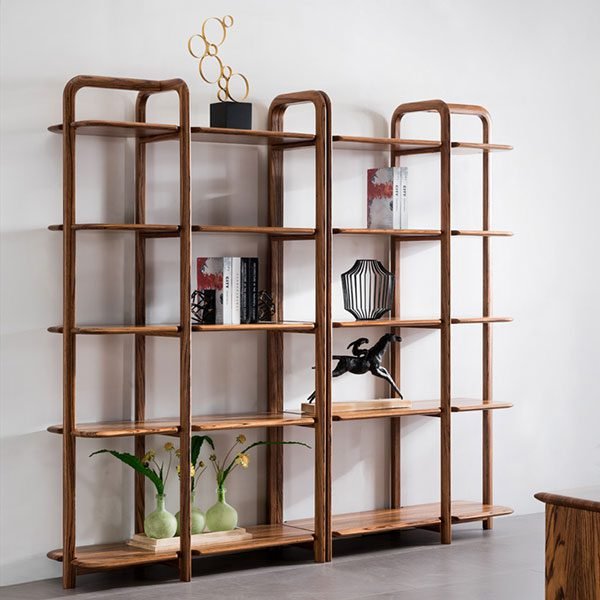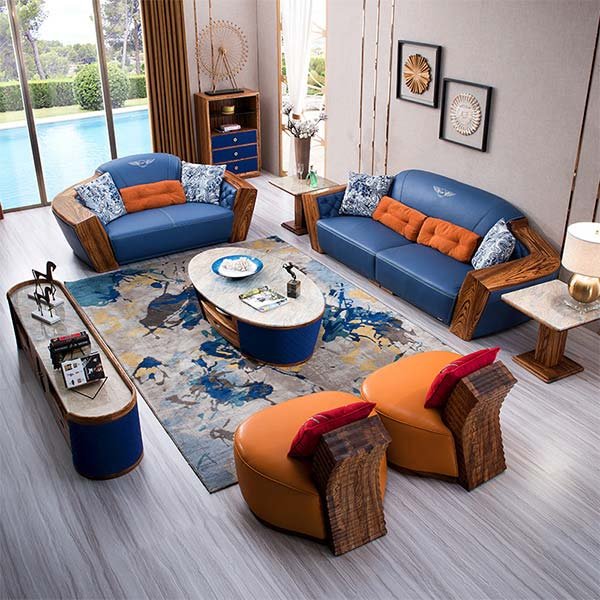
“Stylish and durable dining room furniture for government and institutional projects.”
Sustainable Dining Room Furniture Options for Government & Institutional Projects
When it comes to furnishing government and institutional projects, sustainability is a key consideration. Dining room furniture plays a crucial role in creating a welcoming and functional space for employees, students, or visitors. Choosing sustainable dining room furniture options not only helps to reduce the environmental impact of the project but also promotes a healthier and more productive environment for those using the space.
One of the most popular sustainable dining room furniture options for government and institutional projects is reclaimed wood furniture. Reclaimed wood is sourced from old buildings, barns, or other structures that are no longer in use. By repurposing this wood, furniture manufacturers can create unique pieces that add character and warmth to any dining room. In addition to its aesthetic appeal, reclaimed wood furniture is also environmentally friendly, as it helps to reduce the demand for new timber and minimizes waste.
Another sustainable option for dining room furniture in government and institutional projects is bamboo furniture. Bamboo is a fast-growing and renewable resource that can be harvested without causing harm to the environment. Bamboo furniture is durable, lightweight, and easy to maintain, making it an ideal choice for high-traffic dining areas. In addition, bamboo has natural antibacterial properties, making it a hygienic option for institutional settings where cleanliness is a top priority.
For those looking for a more modern and sleek design, recycled plastic furniture is a sustainable choice for government and institutional projects. Recycled plastic furniture is made from post-consumer plastic waste, such as water bottles and packaging materials, that has been processed and molded into durable and stylish furniture pieces. Not only does recycled plastic furniture help to divert plastic waste from landfills, but it is also easy to clean and resistant to moisture, making it a practical option for dining rooms in institutional settings.
In addition to the materials used in the construction of dining room furniture, it is also important to consider the manufacturing process and supply chain practices of furniture manufacturers. Look for companies that prioritize sustainability in their operations, such as using energy-efficient production methods, sourcing materials locally to reduce transportation emissions, and implementing fair labor practices. By choosing furniture from environmentally conscious manufacturers, you can ensure that your dining room furniture not only looks good but also aligns with your project’s sustainability goals.
When selecting dining room furniture for government and institutional projects, it is essential to consider the long-term durability and functionality of the pieces. Investing in high-quality, sustainable furniture will not only reduce the environmental impact of the project but also save money in the long run by avoiding frequent replacements and repairs. Look for furniture that is built to last, with sturdy construction and easy-to-maintain finishes that can withstand the rigors of daily use in a busy dining room.
In conclusion, sustainable dining room furniture options are an excellent choice for government and institutional projects looking to create a welcoming and environmentally friendly dining space. Reclaimed wood, bamboo, and recycled plastic furniture are all sustainable options that offer durability, style, and functionality. By choosing furniture from environmentally conscious manufacturers and considering the long-term durability of the pieces, you can create a sustainable dining room that promotes a healthy and productive environment for employees, students, or visitors.
Design Trends in Dining Room Furniture for Government & Institutional Projects
When it comes to designing dining rooms for government and institutional projects, there are several key factors to consider. From functionality and durability to aesthetics and comfort, the furniture chosen for these spaces plays a crucial role in creating a welcoming and efficient environment for users. In this article, we will explore some of the latest design trends in dining room furniture for government and institutional projects, and how these trends are shaping the way these spaces are being designed and furnished.
One of the most important considerations when selecting dining room furniture for government and institutional projects is durability. These spaces are often high-traffic areas, with a constant flow of users coming in and out throughout the day. As such, it is essential to choose furniture that can withstand the wear and tear of daily use. In recent years, there has been a shift towards using materials such as metal and wood composite in dining room furniture for government and institutional projects, as these materials are known for their durability and longevity.
In addition to durability, functionality is another key consideration when designing dining rooms for government and institutional projects. The furniture chosen for these spaces must be able to accommodate a large number of users comfortably and efficiently. This has led to a rise in the popularity of modular and flexible furniture designs, which can be easily rearranged and reconfigured to suit the needs of different groups of users. From stackable chairs and tables to mobile serving carts and storage units, the focus is on creating versatile and adaptable furniture solutions that can easily accommodate changing needs and requirements.
Aesthetics also play a significant role in the design of dining room furniture for government and institutional projects. While functionality and durability are essential, it is also important to create a visually appealing and inviting space that users will enjoy spending time in. In recent years, there has been a move towards using natural materials and earthy tones in the design of dining room furniture for government and institutional projects, as these elements help to create a warm and welcoming atmosphere. From wooden tables and chairs to stone countertops and metal accents, the focus is on creating a harmonious and cohesive design that enhances the overall look and feel of the space.
Comfort is another important factor to consider when selecting dining room furniture for government and institutional projects. Users of these spaces often spend extended periods sitting and dining, so it is essential to choose furniture that is comfortable and ergonomic. This has led to a rise in the popularity of padded chairs and benches, as well as adjustable tables and seating options that can be customized to suit the needs of individual users. By prioritizing comfort in the design of dining room furniture for government and institutional projects, designers can create spaces that are not only functional and durable but also comfortable and inviting for users.
In conclusion, the design of dining room furniture for government and institutional projects is a complex and multifaceted process that requires careful consideration of a wide range of factors. From durability and functionality to aesthetics and comfort, the furniture chosen for these spaces plays a crucial role in creating a welcoming and efficient environment for users. By staying abreast of the latest design trends and incorporating them into their projects, designers can create dining rooms that are not only functional and durable but also visually appealing and comfortable for users.
Budget-Friendly Dining Room Furniture Solutions for Government & Institutional Projects
When it comes to furnishing dining rooms in government and institutional projects, finding budget-friendly solutions is essential. These spaces need to be functional, durable, and aesthetically pleasing while also being cost-effective. Fortunately, there are a variety of options available that can meet these requirements without breaking the bank.
One popular choice for dining room furniture in government and institutional projects is laminate tables and chairs. Laminate furniture is durable, easy to clean, and resistant to scratches and stains, making it ideal for high-traffic areas. Additionally, laminate furniture is available in a wide range of colors and styles, allowing designers to create a cohesive and attractive dining space.
Another budget-friendly option for dining room furniture is metal tables and chairs. Metal furniture is sturdy and long-lasting, making it a practical choice for government and institutional projects. Additionally, metal furniture is easy to clean and maintain, making it a low-maintenance option for busy dining areas.
For a more traditional look, wood tables and chairs are a classic choice for government and institutional dining rooms. While wood furniture may be slightly more expensive than laminate or metal options, it can add a touch of warmth and sophistication to the space. Additionally, wood furniture is durable and long-lasting, making it a worthwhile investment for projects that require furniture to withstand heavy use.
In addition to tables and chairs, storage solutions are also an important consideration for dining rooms in government and institutional projects. Buffets, sideboards, and display cabinets can provide additional storage space for dishes, utensils, and other dining room essentials. These pieces can also add visual interest to the space and help create a cohesive design aesthetic.
When selecting dining room furniture for government and institutional projects, it is important to consider the specific needs of the space. For example, if the dining room will be used for large events or gatherings, it may be necessary to choose furniture that can be easily rearranged or expanded to accommodate a larger number of guests. On the other hand, if the dining room will primarily be used for smaller, more intimate gatherings, smaller tables and chairs may be more appropriate.
In conclusion, there are a variety of budget-friendly dining room furniture solutions available for government and institutional projects. Whether you choose laminate, metal, wood, or a combination of materials, it is important to select furniture that is durable, easy to clean, and aesthetically pleasing. By carefully considering the specific needs of the space and selecting furniture that meets those requirements, you can create a functional and attractive dining room that will serve your project well for years to come.
Conclusion
Dining room furniture for government and institutional projects should be durable, functional, and aesthetically pleasing to create a welcoming and professional environment for users. It is important to consider the specific needs and requirements of the space, as well as the budget constraints, when selecting furniture for these projects. By choosing high-quality and well-designed dining room furniture, government and institutional projects can enhance the overall experience for users and create a positive impression.