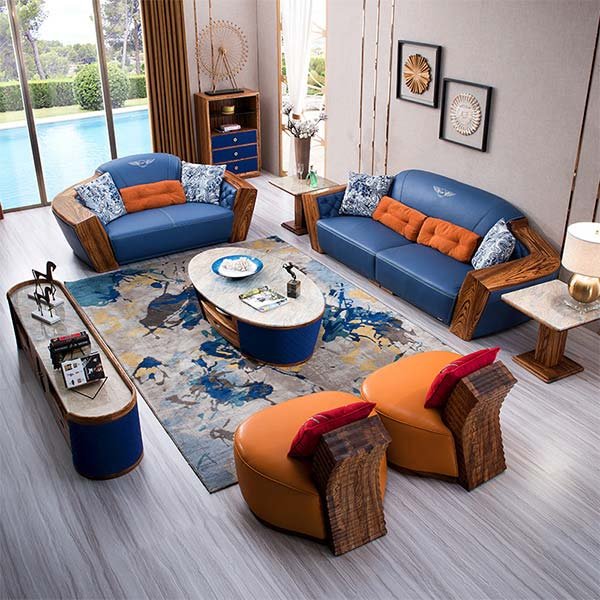
“Functional and stylish dining room furniture for communal living spaces.”
Space-saving Dining Room Furniture Options
Co-living spaces have become increasingly popular in recent years as a way for individuals to share living expenses and create a sense of community. With the rise of co-living, there has been a growing need for space-saving furniture that can accommodate multiple residents in a shared living environment. One area where this is particularly important is in the dining room, where residents come together to share meals and socialize. In this article, we will explore some key considerations when selecting dining room furniture for co-living spaces.
When it comes to furnishing a dining room in a co-living space, one of the most important factors to consider is space efficiency. With multiple residents sharing a common area, it is essential to maximize the use of space while still providing a comfortable and inviting dining experience. One way to achieve this is by choosing furniture that is compact and versatile. For example, a drop-leaf table can be a great option for a small dining room, as it can be expanded to accommodate more guests when needed and folded down to save space when not in use.
Another important consideration when selecting dining room furniture for a co-living space is durability. With multiple residents using the furniture on a daily basis, it is essential to choose pieces that are built to last. Look for dining tables and chairs made from high-quality materials such as solid wood or metal, which can withstand the wear and tear of daily use. Additionally, consider investing in furniture with easy-to-clean surfaces, as this will make it easier to maintain a clean and inviting dining space for all residents.
In addition to space efficiency and durability, it is also important to consider the design and style of the dining room furniture. Co-living spaces often have a diverse group of residents with different tastes and preferences, so it is important to choose furniture that is versatile and can complement a variety of decor styles. Opt for neutral colors and simple designs that can easily be paired with different accessories and accents to create a cohesive and inviting dining space.
When selecting dining room furniture for a co-living space, it is also important to consider the functionality of the pieces. Look for furniture that offers additional storage options, such as dining tables with built-in drawers or chairs that can be stacked or folded for easy storage. This will help to maximize the use of space in the dining room and keep the area organized and clutter-free.
In conclusion, when furnishing a dining room in a co-living space, it is important to consider factors such as space efficiency, durability, design, and functionality. By choosing furniture that is compact, durable, versatile, and functional, you can create a comfortable and inviting dining space that meets the needs of all residents. With the right dining room furniture, you can create a welcoming environment where residents can come together to share meals, socialize, and build a sense of community in their co-living space.
Stylish and Functional Dining Room Furniture Designs
Co-living spaces have become increasingly popular in recent years, offering a unique living arrangement where individuals share common areas while still maintaining their own private space. One of the key areas in a co-living space is the dining room, where residents come together to share meals and socialize. When it comes to furnishing a dining room in a co-living space, there are several factors to consider to ensure that the furniture is both stylish and functional.
First and foremost, it is important to consider the size of the dining room and the number of residents who will be using the space. In a smaller dining room, it may be necessary to opt for a smaller dining table and chairs to maximize space and ensure that there is enough room for everyone to comfortably sit and enjoy their meals. On the other hand, in a larger dining room, a larger dining table with more chairs may be more appropriate to accommodate a larger group of residents.
In addition to size, it is also important to consider the style of the dining room furniture. Co-living spaces often have a modern and contemporary aesthetic, so it is important to choose dining room furniture that complements this style. Sleek, minimalist designs with clean lines and neutral colors are often a good choice for co-living spaces, as they can help create a cohesive and stylish look in the dining room.
When it comes to choosing dining room chairs, comfort is key. Residents will likely be spending a significant amount of time sitting at the dining table, so it is important to choose chairs that are comfortable and supportive. Upholstered chairs with padded seats and backs are a good option for ensuring comfort during long meals or social gatherings.
Another important consideration when choosing dining room furniture for a co-living space is durability. The furniture in a co-living space will likely see a lot of use, so it is important to choose pieces that are built to last. Look for dining tables and chairs made from high-quality materials such as solid wood or metal, as these materials are more likely to withstand the wear and tear of daily use.
In addition to the dining table and chairs, it is also important to consider additional storage options for the dining room. Co-living spaces often have limited storage space, so choosing dining room furniture that includes built-in storage can help maximize space and keep the dining room organized. Buffets, sideboards, or cabinets with shelves or drawers can provide additional storage for dishes, glassware, and other dining essentials.
Overall, when choosing dining room furniture for a co-living space, it is important to consider the size of the space, the style of the furniture, comfort, durability, and storage options. By carefully considering these factors, you can create a stylish and functional dining room that is perfect for sharing meals and socializing with your co-living housemates.
Budget-Friendly Dining Room Furniture Ideas
When it comes to furnishing a co-living space, one of the most important areas to consider is the dining room. This is where residents will come together to share meals, socialize, and build a sense of community. Choosing the right dining room furniture is crucial in creating a welcoming and functional space that meets the needs of all residents. However, with budget constraints often a concern in co-living spaces, it’s important to find affordable options that don’t compromise on style or quality.
One of the first things to consider when selecting dining room furniture for a co-living space is the size of the room. In many co-living spaces, dining rooms are smaller in size, so it’s important to choose furniture that fits the space without overwhelming it. Opting for a smaller dining table and chairs can help maximize space while still providing enough seating for residents. Look for compact dining sets that can easily be tucked away when not in use to create more room for other activities.
Another budget-friendly option for dining room furniture in co-living spaces is to consider second-hand or thrifted pieces. Many thrift stores and online marketplaces offer a wide selection of dining room furniture at a fraction of the cost of buying new. Not only can this be a more affordable option, but it also adds character and charm to the space. Look for pieces that can be easily refurbished or painted to match the aesthetic of the co-living space.
When it comes to seating, consider versatile options that can serve multiple purposes. Stacking chairs or benches can be easily stored away when not in use, freeing up space in the dining room for other activities. Additionally, consider mixing and matching different types of seating to create a more eclectic and dynamic look. This can also help accommodate residents with different preferences and needs.
In terms of materials, opting for durable and easy-to-clean furniture is key in a co-living space. Look for dining room furniture made from materials like wood, metal, or plastic that can withstand frequent use and cleaning. Avoid furniture with delicate fabrics or intricate designs that may be difficult to maintain in a shared living environment. Investing in quality furniture that is built to last can save money in the long run by reducing the need for frequent replacements.
When decorating the dining room, consider adding personal touches and accessories to make the space feel more inviting and homey. Simple additions like table runners, placemats, or centerpieces can add color and personality to the room without breaking the budget. Consider incorporating plants or artwork to create a more welcoming and cozy atmosphere for residents to enjoy.
In conclusion, selecting budget-friendly dining room furniture for a co-living space requires careful consideration of size, style, and functionality. By choosing versatile and durable pieces, exploring second-hand options, and adding personal touches, you can create a welcoming and functional dining room that meets the needs of all residents. With a little creativity and resourcefulness, furnishing a dining room in a co-living space can be both affordable and stylish.
Conclusion
When choosing dining room furniture for co-living spaces, it is important to consider the size of the space, the number of residents, the durability of the furniture, and the overall aesthetic of the room. Additionally, considering multifunctional pieces and easy-to-clean materials can help create a functional and inviting dining area for residents to enjoy.