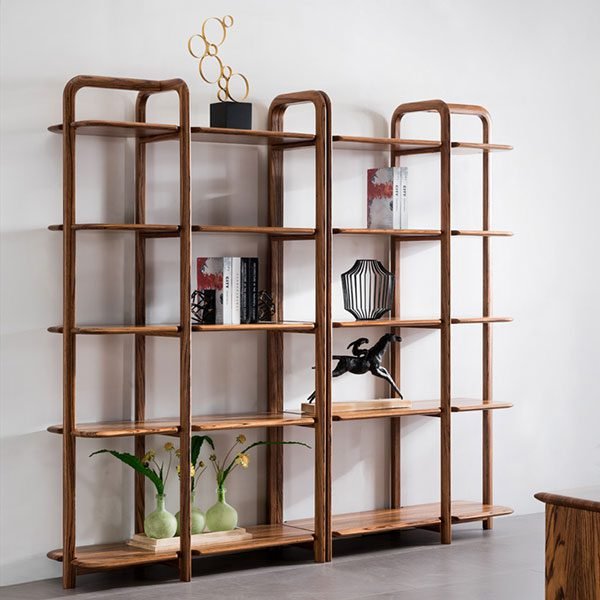
“Streamlining the way you furnish your space.”
Just-In-Time Inventory Management
In the world of furniture manufacturing, optimizing the supply chain is crucial to ensuring efficiency and profitability. One key strategy that many companies employ is just-in-time inventory management. This approach involves keeping inventory levels as low as possible while still meeting customer demand. By only ordering and producing items as they are needed, companies can reduce waste, lower carrying costs, and improve overall efficiency.
Just-in-time inventory management is particularly important in the furniture industry, where products are often large and bulky, making storage space a premium. By implementing this strategy, companies can minimize the amount of inventory they need to store, freeing up valuable space in their warehouses. This not only reduces costs associated with storing excess inventory but also allows companies to operate more efficiently and effectively.
One of the key benefits of just-in-time inventory management is its ability to reduce waste. By only producing items as they are needed, companies can avoid overproduction and excess inventory, which can lead to obsolescence and waste. This not only helps companies save money but also reduces their environmental impact by minimizing the amount of waste generated.
Another advantage of just-in-time inventory management is its ability to improve cash flow. By keeping inventory levels low, companies can reduce the amount of capital tied up in inventory, freeing up funds that can be used for other purposes. This can help companies improve their financial health and position themselves for growth and expansion.
Implementing a just-in-time inventory management system requires careful planning and coordination throughout the supply chain. Companies must work closely with suppliers to ensure that materials and components are delivered on time and in the right quantities. They must also have robust forecasting and demand planning processes in place to accurately predict customer demand and adjust production accordingly.
One potential challenge of just-in-time inventory management is the risk of supply chain disruptions. If a supplier is unable to deliver materials on time or if there is a sudden increase in demand, companies may struggle to meet customer orders. To mitigate this risk, companies must have contingency plans in place and work closely with suppliers to ensure a reliable and responsive supply chain.
Overall, just-in-time inventory management is a valuable strategy for optimizing the supply chain in the furniture industry. By keeping inventory levels low, companies can reduce waste, improve efficiency, and enhance their financial health. While implementing this strategy requires careful planning and coordination, the benefits far outweigh the challenges. By embracing just-in-time inventory management, furniture manufacturers can position themselves for success in an increasingly competitive market.
Sustainable Sourcing Practices
In today’s fast-paced world, consumers are becoming increasingly aware of the impact their purchasing decisions have on the environment. As a result, many companies are looking for ways to optimize their supply chains to reduce their carbon footprint and promote sustainable sourcing practices. This is especially true in the furniture industry, where the demand for eco-friendly products is on the rise.
One of the key strategies for optimizing the supply chain in the furniture industry is to focus on sustainable sourcing practices. This involves sourcing materials from suppliers who adhere to strict environmental standards and ethical labor practices. By working with suppliers who prioritize sustainability, companies can ensure that their products are not only high quality but also environmentally friendly.
One way companies can promote sustainable sourcing practices is by working with suppliers who use recycled materials in their products. By using recycled materials, companies can reduce the demand for new resources and minimize waste. This not only helps to protect the environment but also appeals to eco-conscious consumers who are looking for sustainable furniture options.
Another important aspect of sustainable sourcing practices is ensuring that suppliers adhere to ethical labor practices. This means working with suppliers who provide fair wages and safe working conditions for their employees. By prioritizing ethical labor practices, companies can ensure that their products are not only environmentally friendly but also socially responsible.
In addition to sourcing materials from sustainable suppliers, companies can also optimize their supply chain by reducing waste and improving efficiency. This can be achieved through better inventory management, streamlined production processes, and strategic partnerships with suppliers. By minimizing waste and improving efficiency, companies can reduce their environmental impact and lower their costs.
One way companies can reduce waste in their supply chain is by implementing a just-in-time inventory system. This system involves ordering materials only when they are needed, which helps to minimize excess inventory and reduce waste. By implementing a just-in-time inventory system, companies can improve their efficiency and reduce their environmental impact.
Companies can also optimize their supply chain by streamlining their production processes. This can be achieved through automation, lean manufacturing principles, and continuous improvement initiatives. By streamlining production processes, companies can reduce lead times, improve quality, and lower costs. This not only benefits the company but also reduces the environmental impact of the supply chain.
Finally, companies can optimize their supply chain by forming strategic partnerships with suppliers. By working closely with suppliers, companies can improve communication, reduce lead times, and ensure product quality. This can help to streamline the supply chain and improve overall efficiency. By forming strategic partnerships with suppliers, companies can optimize their supply chain and promote sustainable sourcing practices.
In conclusion, optimizing the supply chain in the furniture industry requires a focus on sustainable sourcing practices. By working with suppliers who prioritize sustainability, companies can ensure that their products are environmentally friendly and socially responsible. Additionally, companies can reduce waste, improve efficiency, and form strategic partnerships with suppliers to further optimize their supply chain. By implementing these strategies, companies can reduce their environmental impact and meet the growing demand for sustainable furniture options.
Technology Integration for Streamlined Logistics
In today’s fast-paced world, optimizing the supply chain for living room furniture is essential for businesses to stay competitive and meet customer demands. With the rise of e-commerce and the increasing expectations for fast and efficient delivery, companies must find ways to streamline their logistics processes to ensure timely and cost-effective delivery of products.
One key strategy for optimizing the supply chain for living room furniture is the integration of technology. By leveraging technology, companies can improve visibility, efficiency, and accuracy throughout the entire supply chain. From inventory management to order processing and delivery tracking, technology plays a crucial role in streamlining logistics operations.
One way technology can help optimize the supply chain is through the use of inventory management systems. These systems allow companies to track and manage their inventory in real-time, ensuring that they have the right products in stock at all times. By accurately forecasting demand and monitoring inventory levels, companies can reduce stockouts, minimize excess inventory, and improve overall efficiency.
Another technology integration strategy for streamlining logistics is the use of automated order processing systems. By automating the order processing and fulfillment process, companies can reduce errors, speed up order processing times, and improve customer satisfaction. Automated systems can also help companies prioritize orders based on urgency, ensuring that high-priority orders are processed and shipped quickly.
In addition to inventory management and order processing, technology can also help optimize the supply chain for living room furniture through improved delivery tracking. By using GPS tracking and real-time monitoring systems, companies can track the location of their shipments, monitor delivery times, and provide customers with accurate delivery estimates. This level of visibility not only improves customer satisfaction but also allows companies to identify and address any potential delays or issues in real-time.
Furthermore, technology integration can also help companies optimize their supply chain by enabling better communication and collaboration with suppliers and partners. By using cloud-based collaboration tools, companies can share real-time data, collaborate on inventory planning, and coordinate shipments more effectively. This level of collaboration can help companies reduce lead times, improve inventory turnover, and enhance overall supply chain efficiency.
Overall, technology integration is a critical component of optimizing the supply chain for living room furniture. By leveraging technology for inventory management, order processing, delivery tracking, and collaboration, companies can streamline their logistics operations, reduce costs, and improve customer satisfaction. In today’s competitive marketplace, companies that embrace technology and innovation in their supply chain processes will have a significant advantage over their competitors. By investing in technology integration for streamlined logistics, companies can position themselves for success in the fast-paced world of e-commerce and online retail.
Conclusion
Living room furniture supply chain optimization strategies can help companies improve efficiency, reduce costs, and enhance customer satisfaction. By implementing strategies such as inventory management, demand forecasting, and supplier collaboration, companies can streamline their operations and deliver high-quality products to customers in a timely manner. Overall, optimizing the supply chain for living room furniture can lead to increased profitability and competitiveness in the market.