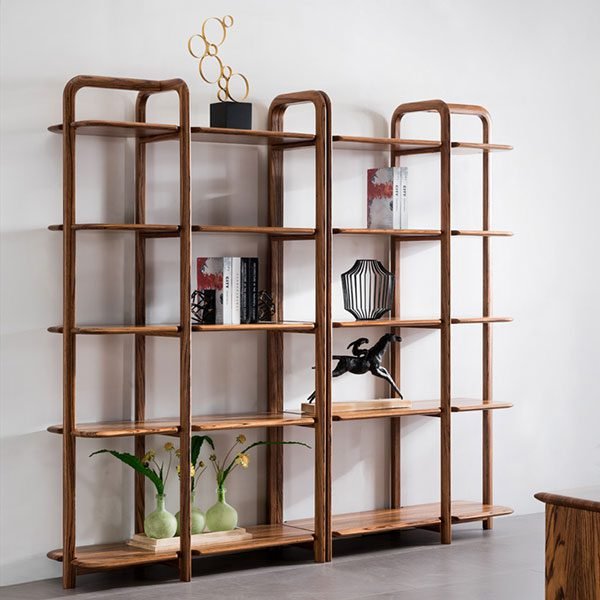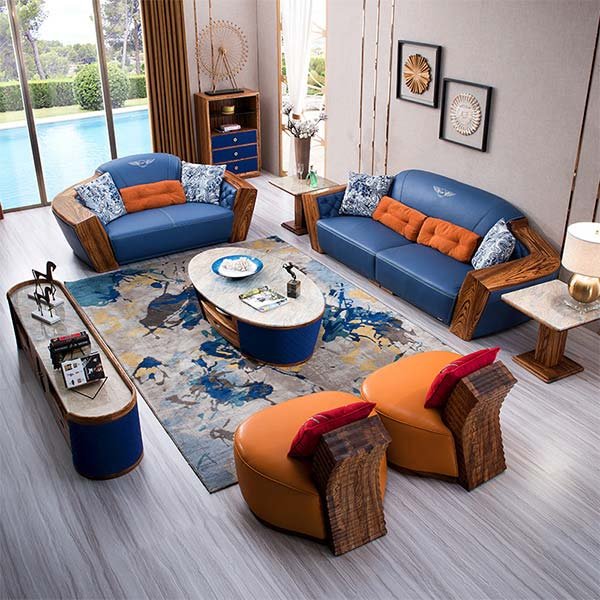
“Designing comfort and style for a healthier home.”
Benefits of Ergonomic Living Room Furniture
Ergonomics plays a crucial role in the design of living room furniture, as it focuses on creating products that are comfortable, efficient, and safe for users. When it comes to living room furniture, ergonomics is essential in ensuring that individuals can relax and enjoy their time in this space without experiencing any discomfort or strain on their bodies.
One of the key benefits of ergonomic living room furniture is the ability to provide proper support for the body. Chairs, sofas, and other seating options that are designed with ergonomics in mind are crafted to support the natural curves of the spine and promote good posture. This can help prevent back pain and other musculoskeletal issues that can arise from sitting for extended periods of time.
In addition to providing support, ergonomic living room furniture is also designed to promote movement and flexibility. Many modern ergonomic chairs and sofas feature adjustable components, such as reclining backs, swivel bases, and adjustable armrests, that allow users to customize their seating experience to suit their individual needs. This can help reduce the risk of stiffness and discomfort that can occur from sitting in a fixed position for too long.
Another benefit of ergonomic living room furniture is its ability to enhance comfort and relaxation. Ergonomically designed furniture is often padded with high-quality materials and upholstered in soft, breathable fabrics that provide a luxurious feel. This can create a cozy and inviting atmosphere in the living room, making it a more enjoyable space to spend time in.
Furthermore, ergonomic living room furniture can also improve the overall aesthetic of the space. Many ergonomic furniture pieces are designed with sleek, modern lines and stylish finishes that can complement a variety of interior design styles. This can help create a cohesive and visually appealing look in the living room, enhancing the overall ambiance of the space.
In addition to the physical benefits of ergonomic living room furniture, there are also mental and emotional benefits to consider. Comfortable and supportive furniture can help reduce stress and promote relaxation, creating a calming environment that can improve mental well-being. This can be especially beneficial for individuals who use the living room as a space for unwinding and de-stressing after a long day.
Overall, the role of ergonomics in living room furniture design is essential in creating a space that is comfortable, efficient, and safe for users. By incorporating ergonomic principles into the design of furniture pieces, manufacturers can help promote good posture, support movement, enhance comfort, and improve the overall aesthetic of the living room. Whether you are looking to create a cozy reading nook or a stylish entertainment area, investing in ergonomic living room furniture can help you create a space that is both functional and inviting.
Incorporating Ergonomics into Living Room Layout
Ergonomics plays a crucial role in the design of living room furniture. It is the science of designing products and environments to fit the people who use them, taking into account their physical and cognitive abilities. When it comes to living room furniture, incorporating ergonomic principles can enhance comfort, functionality, and overall well-being.
One of the key aspects of incorporating ergonomics into living room furniture design is ensuring that the furniture supports the natural posture of the body. This means that seating should provide adequate support for the back, neck, and arms, allowing for proper alignment and reducing the risk of strain or discomfort. Additionally, the height and depth of seating should be appropriate for the average user, promoting a comfortable and relaxed sitting position.
Another important consideration in living room furniture design is the layout of the space. The arrangement of furniture should allow for easy movement and access to all areas of the room. This means ensuring that there is enough space between pieces of furniture to walk comfortably and that pathways are clear and unobstructed. By optimizing the layout of the living room, users can move around freely and engage in various activities without feeling cramped or restricted.
Incorporating ergonomic principles into living room furniture design also involves selecting materials that are comfortable, durable, and easy to maintain. Upholstery should be soft yet supportive, allowing for a comfortable sitting experience. Additionally, fabrics should be breathable and easy to clean, ensuring that the furniture remains in good condition over time. By choosing high-quality materials, designers can create furniture that not only looks great but also feels great to use.
Furthermore, lighting plays a significant role in the overall comfort and functionality of a living room. Proper lighting can reduce eye strain, improve visibility, and create a welcoming atmosphere. When designing a living room, it is essential to consider the placement of windows, light fixtures, and lamps to ensure that the space is well-lit and inviting. By incorporating adjustable lighting options, users can customize the ambiance of the room to suit their needs and preferences.
In addition to physical comfort, ergonomics also considers the cognitive aspects of design. This includes factors such as color, texture, and visual appeal. By selecting colors and textures that are soothing and harmonious, designers can create a relaxing and inviting environment. Additionally, incorporating elements of nature, such as plants or natural materials, can enhance the overall aesthetic and promote a sense of well-being.
In conclusion, ergonomics plays a vital role in the design of living room furniture. By incorporating ergonomic principles into the layout, materials, lighting, and overall design of the space, designers can create a comfortable, functional, and visually appealing environment. Whether relaxing with family, entertaining guests, or working from home, a well-designed living room that prioritizes ergonomics can enhance the quality of life and promote overall well-being.
Trends in Ergonomic Living Room Furniture Design
In recent years, there has been a growing emphasis on the importance of ergonomics in furniture design. This trend is particularly evident in the design of living room furniture, where comfort and functionality are key considerations for consumers. Ergonomics, which is the science of designing products to maximize human well-being and performance, plays a crucial role in creating furniture that is both comfortable and supportive.
One of the key trends in ergonomic living room furniture design is the use of adjustable features. Adjustable features allow users to customize their furniture to meet their individual needs and preferences. For example, many ergonomic sofas and chairs now come with adjustable headrests, armrests, and lumbar support. These features allow users to find the most comfortable and supportive position for their bodies, reducing the risk of discomfort and pain.
Another trend in ergonomic living room furniture design is the use of materials that are both comfortable and supportive. Many manufacturers are now using high-quality foam and padding materials that provide a balance of softness and support. These materials help to distribute weight evenly and reduce pressure points, making the furniture more comfortable for extended periods of sitting.
In addition to adjustable features and high-quality materials, another important trend in ergonomic living room furniture design is the incorporation of technology. Many modern ergonomic sofas and chairs now come with built-in massage functions, heating elements, and even USB charging ports. These technological features not only enhance the comfort and functionality of the furniture but also cater to the needs of tech-savvy consumers.
Furthermore, another key trend in ergonomic living room furniture design is the focus on aesthetics. While comfort and functionality are paramount, manufacturers are also paying more attention to the visual appeal of their furniture. Sleek lines, modern finishes, and stylish designs are now common features of ergonomic living room furniture, making it not only comfortable but also aesthetically pleasing.
Moreover, another important aspect of ergonomic living room furniture design is sustainability. Many consumers are now looking for furniture that is not only comfortable and functional but also environmentally friendly. As a result, manufacturers are increasingly using sustainable materials and production methods in the design of their furniture. This trend reflects a growing awareness of the impact of furniture production on the environment and a desire to make more eco-friendly choices.
In conclusion, the role of ergonomics in living room furniture design is becoming increasingly important. From adjustable features and high-quality materials to technological advancements and sustainable practices, manufacturers are incorporating a range of ergonomic principles into their designs. By focusing on comfort, functionality, aesthetics, and sustainability, ergonomic living room furniture is not only meeting the needs of consumers but also setting new standards for the industry. As the demand for ergonomic furniture continues to grow, it is clear that ergonomics will play a central role in shaping the future of living room furniture design.
Conclusion
In conclusion, ergonomics plays a crucial role in living room furniture design as it focuses on creating comfortable and functional pieces that promote good posture and overall well-being for users. By incorporating ergonomic principles into the design process, furniture designers can enhance the overall comfort and usability of living room furniture, ultimately improving the quality of life for individuals in their homes.