“Maximize space and style in your long living room with strategic furniture placement.”
Arranging Furniture for Flow and Functionality
Arranging furniture in a long living room can be a challenging task. The elongated shape of the room can make it difficult to create a cohesive and functional layout. However, with some careful planning and strategic placement, you can make the most of your space and create a comfortable and inviting living area.
One of the key considerations when arranging furniture in a long living room is to create a sense of flow. This means ensuring that there is a clear path for people to move through the room without obstacles. To achieve this, start by determining the focal point of the room. This could be a fireplace, a large window, or a television. Once you have identified the focal point, arrange your furniture around it in a way that allows for easy movement and conversation.
When placing your furniture, consider the scale of the room. In a long living room, it is important to balance the size of the furniture with the proportions of the space. Avoid overcrowding the room with oversized pieces, as this can make the room feel cramped and cluttered. Instead, opt for furniture that is appropriately sized for the room and allows for a comfortable amount of space between pieces.
To create a sense of balance in a long living room, consider creating distinct zones within the space. This could involve grouping furniture together to define separate areas for lounging, dining, or entertaining. By creating distinct zones, you can make the room feel more organized and purposeful.
Another important consideration when arranging furniture in a long living room is to pay attention to traffic flow. Ensure that there is enough space between furniture pieces to allow for easy movement through the room. Avoid placing furniture in a way that blocks doorways or walkways, as this can disrupt the flow of the room and make it feel cramped.
In a long living room, it can be helpful to use furniture to create visual interest and break up the space. Consider incorporating different shapes, textures, and heights to add depth and dimension to the room. For example, you could mix and match furniture styles or incorporate a variety of materials to create a dynamic and visually appealing space.
When arranging furniture in a long living room, it is important to consider the function of the space. Think about how you will be using the room on a daily basis and arrange your furniture in a way that supports your lifestyle. For example, if you enjoy entertaining, consider creating a seating area that is conducive to conversation and socializing. If you use the room primarily for watching television, make sure that the seating is positioned in a way that allows for optimal viewing.
In conclusion, arranging furniture in a long living room requires careful planning and consideration. By creating a sense of flow, balance, and purpose in the space, you can make the most of your room and create a comfortable and inviting living area. With some creativity and strategic placement, you can transform your long living room into a functional and stylish space that meets your needs and reflects your personal style.
Creating Zones for Different Activities
When it comes to arranging furniture in a long living room, it can be a bit challenging to create a cohesive and functional layout. However, with some strategic planning and creativity, you can make the most of the space and create distinct zones for different activities. By dividing the room into separate areas for lounging, dining, and entertainment, you can maximize the functionality and flow of the space.
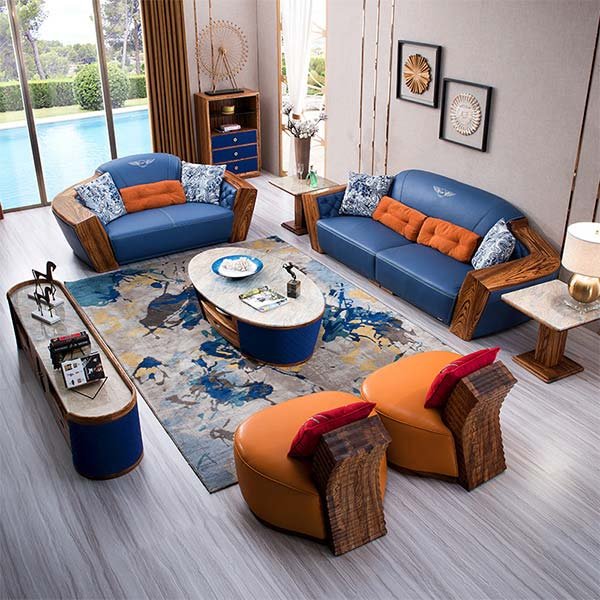
One of the key considerations when arranging furniture in a long living room is to create distinct zones for different activities. This can help to define the purpose of each area and make it easier to navigate the space. For example, you may want to designate one end of the room for lounging and relaxation, with a comfortable sofa and armchairs arranged around a coffee table. This area can be a cozy spot for reading, watching TV, or socializing with friends and family.
In the middle of the room, you can create a dining area with a table and chairs. This can be a great place to enjoy meals with your family or entertain guests. By placing the dining table in the center of the room, you can create a focal point that draws the eye and anchors the space. You can also add a rug underneath the dining table to define the area and add warmth and texture to the room.
At the other end of the room, you can create an entertainment zone with a TV stand, media console, and comfortable seating. This area can be a great place to relax and unwind after a long day, or to gather with friends and watch a movie or sporting event. By grouping the furniture together in this area, you can create a cozy and inviting space that encourages relaxation and socializing.
To create a cohesive and harmonious layout in a long living room, it’s important to consider the scale and proportion of the furniture. For example, if you have a large sofa, you may want to balance it out with a pair of armchairs or a loveseat on the opposite side of the room. This can help to create a sense of symmetry and balance in the space.
In addition to arranging furniture in distinct zones, you can also use rugs, lighting, and accessories to define and enhance each area. For example, you can use a large area rug to anchor the seating area and add color and texture to the room. You can also use floor lamps, table lamps, and overhead lighting to create different moods and ambiances in each zone.
By creating distinct zones for different activities and using furniture, rugs, lighting, and accessories to define and enhance each area, you can make the most of a long living room and create a functional and stylish layout. With some strategic planning and creativity, you can transform a challenging space into a welcoming and inviting environment that meets your needs and reflects your personal style.
Utilizing Vertical Space with Shelving and Wall Units
When it comes to arranging furniture in a long living room, utilizing vertical space with shelving and wall units can be a game-changer. Long living rooms can often feel awkward and challenging to furnish due to their elongated shape. However, by incorporating shelving and wall units into your design, you can make the most of the space and create a functional and visually appealing layout.
One of the key benefits of using shelving and wall units in a long living room is that they help to maximize vertical space. Instead of only focusing on the floor area, which can quickly become cluttered and cramped in a long room, vertical storage solutions allow you to take advantage of the height of the walls. This not only creates more storage space but also draws the eye upward, making the room feel larger and more open.
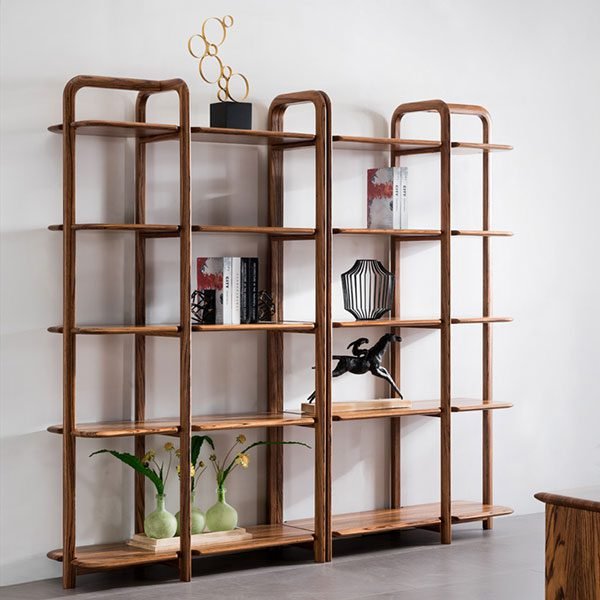
When selecting shelving and wall units for your long living room, consider both form and function. Choose pieces that complement the style of your existing furniture and decor while also providing practical storage solutions. Floating shelves are a popular choice for long rooms as they take up minimal space and can be easily adjusted to accommodate different items. Wall units with built-in cabinets and drawers are another excellent option for concealing clutter and keeping the room organized.
Incorporating shelving and wall units into your long living room layout can also help to define different zones within the space. For example, you could use a tall bookcase to create a visual separation between the seating area and a home office or dining space. This not only adds depth and dimension to the room but also helps to establish a sense of purpose for each area.
Another advantage of using shelving and wall units in a long living room is that they can serve as a focal point or design feature. By selecting pieces that are visually appealing and unique, you can add interest and personality to the room. Consider incorporating open shelving with decorative items such as books, plants, or artwork to create a curated look that reflects your personal style.
When arranging furniture around shelving and wall units in a long living room, it’s essential to maintain a sense of balance and proportion. Avoid overcrowding the space with too many pieces or placing furniture directly against the walls. Instead, leave some breathing room around the shelving units to allow for easy access and a more open feel.
In conclusion, utilizing vertical space with shelving and wall units is an effective way to put furniture in a long living room. By maximizing the height of the walls, creating defined zones, and incorporating visually appealing pieces, you can make the most of the space and create a functional and stylish layout. Whether you’re looking to add storage, define different areas, or enhance the overall design of your long living room, shelving and wall units are a versatile and practical solution.
Conclusion
When arranging furniture in a long living room, it is important to consider the flow of the space, create distinct zones, use rugs to define areas, and avoid blocking pathways. Additionally, incorporating a mix of furniture sizes and shapes can help balance the room and create visual interest. By following these tips, you can maximize the functionality and aesthetics of your long living room.