Maximize your space with strategic furniture placement.
Utilizing Multi-Functional Furniture Pieces
When it comes to decorating a small living room, one of the biggest challenges is figuring out how to place furniture in a way that maximizes space and functionality. In a small space, every square inch counts, so it’s important to be strategic about the furniture pieces you choose and how you arrange them. One effective strategy for making the most of a small living room is to utilize multi-functional furniture pieces.
Multi-functional furniture pieces are a great way to maximize space in a small living room because they serve more than one purpose. For example, a sofa bed can provide seating during the day and a place for guests to sleep at night. A coffee table with built-in storage can help keep clutter at bay while also providing a surface for drinks and snacks. By choosing furniture pieces that serve multiple functions, you can make the most of your limited space without sacrificing style or comfort.
When it comes to placing multi-functional furniture in a small living room, it’s important to think about scale and proportion. In a small space, bulky furniture can quickly overwhelm the room and make it feel cramped. Instead, opt for furniture pieces that are sleek and streamlined, with clean lines and a minimalist design. This will help create a sense of openness and airiness in the room, making it feel larger than it actually is.
Another important consideration when placing multi-functional furniture in a small living room is to think about traffic flow. It’s important to leave enough space between furniture pieces to allow for easy movement throughout the room. Avoid placing furniture directly in front of doorways or in high-traffic areas, as this can make the room feel cluttered and cramped. Instead, try to create clear pathways that allow for easy navigation from one area of the room to another.
One effective way to maximize space in a small living room is to use furniture pieces that can be easily moved or rearranged. For example, a set of nesting tables can be pulled apart and used as individual side tables when needed, then pushed back together to save space when not in use. Similarly, a lightweight armchair or ottoman can be easily moved around the room to provide extra seating or serve as a footrest.
In addition to multi-functional furniture pieces, there are other ways to make the most of a small living room. Consider using wall-mounted shelves or floating shelves to display books, artwork, or decorative objects without taking up valuable floor space. Opt for furniture pieces with built-in storage, such as ottomans with hidden compartments or coffee tables with drawers, to help keep clutter at bay. And don’t forget to make use of vertical space by hanging curtains or drapes high above the windows to create the illusion of height.
In conclusion, utilizing multi-functional furniture pieces is a great way to maximize space in a small living room. By choosing furniture pieces that serve more than one purpose, thinking about scale and proportion, considering traffic flow, and using movable furniture pieces, you can create a stylish and functional living room that feels spacious and inviting. With a little creativity and strategic planning, you can make the most of your small space and create a room that works for you.
Creating Zones within the Living Room
When it comes to decorating a small living room, one of the biggest challenges is figuring out how to arrange furniture in a way that maximizes space and functionality. With limited square footage, it’s important to be strategic in your layout to ensure that the room feels open and inviting, rather than cramped and cluttered. One effective way to achieve this is by creating distinct zones within the living room that serve different purposes while still maintaining a cohesive design.
One of the first steps in creating zones within a small living room is to identify the primary functions of the space. Typically, a living room serves as a place for relaxation, entertainment, and socializing. By determining how you plan to use the room, you can then begin to divide the space into separate areas that cater to these activities. For example, you may want to designate one area for seating and conversation, another for watching TV, and a third for reading or working.
Once you have a clear idea of how you want to use the space, it’s time to start arranging your furniture to create these distinct zones. In a small living room, it’s important to choose pieces that are appropriately scaled to the size of the room. Opt for furniture that is sleek and streamlined, rather than bulky and oversized, to help maintain an open and airy feel. Consider using multipurpose furniture, such as a coffee table with storage or a sofa bed, to maximize functionality without taking up extra space.
When arranging your furniture, think about the flow of traffic in the room and how people will move between the different zones. Leave enough space between pieces to allow for easy movement and ensure that there are clear pathways throughout the room. Avoid blocking doorways or windows, as this can make the room feel cramped and closed off. Instead, try to create an open and inviting layout that encourages interaction and conversation.
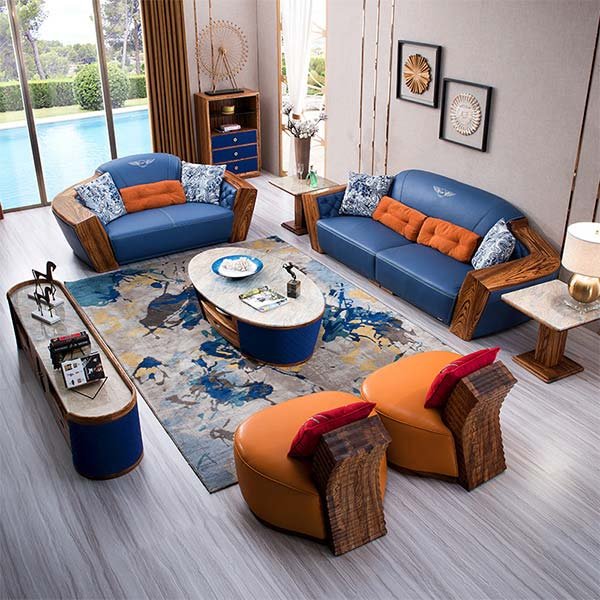
To visually separate the different zones within the living room, consider using area rugs to define each area. Choose rugs that are appropriately sized for the space and that complement the overall color scheme and style of the room. By placing a rug under a grouping of furniture, you can create a sense of cohesion and unity within each zone while still maintaining a sense of separation between them.
In addition to rugs, you can also use lighting to help delineate the different zones within the living room. By strategically placing floor lamps, table lamps, and overhead lighting, you can create a warm and inviting atmosphere that enhances the functionality of each area. Consider using dimmer switches or adjustable fixtures to customize the lighting levels in each zone and create the perfect ambiance for any activity.
By creating distinct zones within a small living room, you can make the most of your space while still maintaining a sense of style and functionality. With careful planning and thoughtful arrangement, you can transform your small living room into a cozy and inviting space that meets all of your needs. Whether you’re relaxing with a book, entertaining guests, or watching your favorite show, a well-designed living room layout can make all the difference in how you experience and enjoy your home.
Maximizing Vertical Space with Shelving and Wall-Mounted Storage
When it comes to decorating a small living room, maximizing vertical space is key. One of the best ways to do this is by incorporating shelving and wall-mounted storage solutions. By utilizing the walls in your living room, you can free up valuable floor space and create a more open and airy feel in the room.
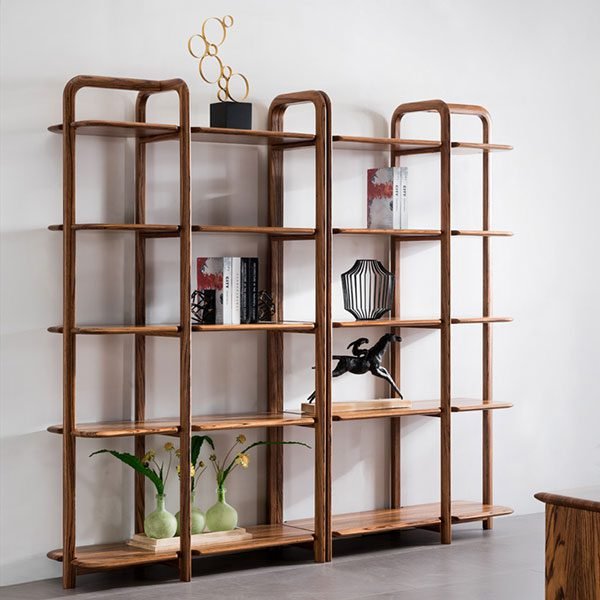
Shelving units come in a variety of styles and sizes, making them a versatile option for small spaces. Floating shelves are a popular choice for small living rooms, as they take up minimal space and can be easily installed on any wall. These shelves are perfect for displaying decorative items, books, or even small plants. To make the most of your vertical space, consider installing multiple shelves above a sofa or along a blank wall.
Another option for maximizing vertical space is wall-mounted storage units. These units typically feature a combination of shelves, cabinets, and drawers, providing ample storage space without taking up valuable floor space. Wall-mounted storage units are perfect for storing items such as books, DVDs, and electronics, keeping them organized and out of the way.
When arranging furniture in a small living room with shelving and wall-mounted storage, it’s important to consider the placement of each piece to ensure a cohesive and functional layout. Start by positioning larger furniture items, such as a sofa or armchair, against the walls to create an open center space. This will help to maximize the floor space and prevent the room from feeling cramped.
Next, incorporate shelving and wall-mounted storage units into the layout. Consider placing a shelving unit above a sofa or along a blank wall to display decorative items and create visual interest. Wall-mounted storage units can be positioned above a TV stand or along a wall to provide additional storage space for books, DVDs, and other items.
To create a balanced and visually appealing layout, mix and match different types of shelving and storage units. For example, pair floating shelves with a wall-mounted storage unit to create a dynamic and functional display. Consider incorporating a mix of open and closed storage options to keep clutter at bay while still showcasing your favorite items.
Incorporating shelving and wall-mounted storage into a small living room can help to maximize vertical space and create a more open and airy feel in the room. By carefully arranging furniture and storage units, you can create a functional and stylish layout that makes the most of your small space. So, next time you’re looking to update your living room, consider incorporating shelving and wall-mounted storage solutions to make the most of your vertical space.
Conclusion
When placing living room furniture in a small space, it is important to consider the scale of the furniture, utilize multi-functional pieces, create a focal point, and maximize vertical space. By following these tips, you can create a functional and visually appealing living room layout in a small space.