Maximize your space with strategic furniture placement in your rectangular living room.
Utilizing a focal point
When it comes to arranging furniture in a rectangular living room, one of the key considerations is how to utilize a focal point. A focal point is a central element in a room that draws the eye and anchors the space. It can be a fireplace, a large window, a piece of artwork, or even a television. By placing furniture around the focal point, you can create a cohesive and visually appealing layout that maximizes the functionality of the room.
One of the most common focal points in a rectangular living room is a fireplace. If your room has a fireplace, consider placing your largest piece of furniture, such as a sofa or sectional, directly across from it. This will create a balanced and symmetrical layout that highlights the fireplace as the focal point of the room. You can then arrange additional seating, such as armchairs or accent chairs, around the main seating area to create a cozy and inviting space for entertaining or relaxing.
If your room does not have a fireplace, you can create a focal point using a large window or a piece of artwork. Placing a sofa or sectional in front of a window can help frame the view and bring natural light into the room. Alternatively, hanging a piece of artwork on a prominent wall can draw the eye and serve as a focal point for the room. When arranging furniture around a window or artwork, be sure to leave enough space for traffic flow and ensure that the furniture complements the focal point rather than competing with it.
In addition to creating a focal point, it is important to consider the scale and proportion of your furniture when arranging it in a rectangular living room. Large pieces of furniture, such as a sectional or a large coffee table, can overwhelm a small room and make it feel cramped. On the other hand, small pieces of furniture, such as a single armchair or a small side table, can get lost in a large room and make it feel empty. By choosing furniture that is appropriately scaled for the size of the room, you can create a balanced and harmonious layout that maximizes both function and aesthetics.
When arranging furniture in a rectangular living room, it is also important to consider the traffic flow and circulation patterns in the space. Avoid placing furniture in such a way that it obstructs pathways or creates obstacles that impede movement through the room. Instead, arrange furniture in a way that allows for easy access to seating areas and promotes a sense of openness and flow. Consider creating distinct zones within the room for different activities, such as lounging, dining, or watching TV, and arrange furniture accordingly to define each area.
In conclusion, utilizing a focal point is a key strategy for arranging furniture in a rectangular living room. Whether you have a fireplace, a large window, or a piece of artwork as your focal point, placing furniture around it can help create a cohesive and visually appealing layout that maximizes the functionality of the space. By considering the scale and proportion of your furniture, as well as the traffic flow and circulation patterns in the room, you can create a balanced and harmonious layout that enhances the overall design of your living room.
Creating functional zones
When it comes to arranging furniture in a rectangular living room, it’s important to create functional zones that make the space both aesthetically pleasing and practical. By strategically placing furniture, you can maximize the use of the room and create a comfortable and inviting atmosphere for both relaxation and entertaining.
One of the first things to consider when arranging furniture in a rectangular living room is the layout of the space. Take note of any architectural features, such as windows, doors, or built-in shelving, that may impact the placement of furniture. It’s also important to consider the flow of traffic through the room and ensure that there is enough space for people to move around comfortably.
To create functional zones in a rectangular living room, start by defining the main purpose of the space. Are you looking to create a cozy seating area for watching TV, a formal entertaining space, or a combination of both? Once you have a clear idea of how you want to use the room, you can begin to arrange furniture accordingly.
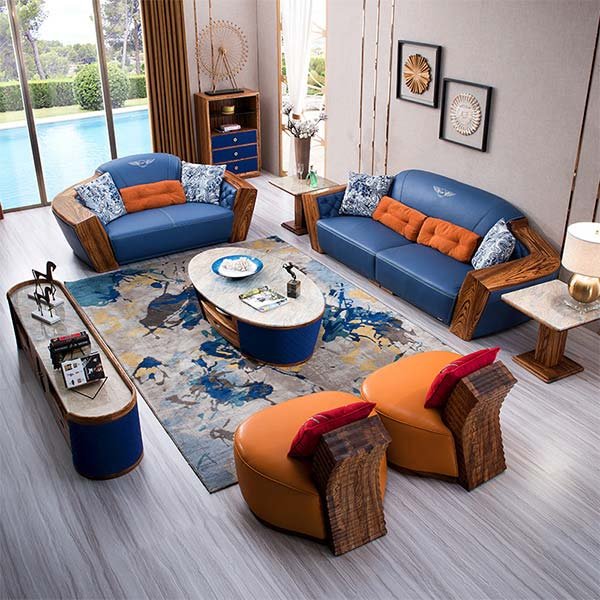
When creating a seating area in a rectangular living room, consider placing the largest piece of furniture, such as a sofa or sectional, along one of the long walls. This will help to anchor the space and create a focal point for the room. Arrange additional seating, such as armchairs or loveseats, around the main piece of furniture to create a cohesive seating area.
If you have a fireplace or TV in the room, consider placing these items on the opposite wall from the main seating area. This will help to balance the room and create a sense of symmetry. You can then arrange additional furniture, such as a coffee table or side tables, around the fireplace or TV to create a functional and visually appealing space.
In addition to creating a seating area, it’s important to consider other functional zones in a rectangular living room, such as a dining area or workspace. If you have enough space, consider dividing the room into separate zones using furniture or area rugs. For example, you could place a dining table and chairs in one corner of the room, or create a small office space with a desk and chair.
When arranging furniture in a rectangular living room, it’s important to consider the scale and proportion of the pieces. Avoid overcrowding the space with too much furniture, as this can make the room feel cramped and cluttered. Instead, choose a few key pieces that are appropriately sized for the space and allow for easy movement throughout the room.
In conclusion, creating functional zones in a rectangular living room is essential for maximizing the use of the space and creating a comfortable and inviting atmosphere. By carefully considering the layout of the room, defining the main purpose of the space, and arranging furniture in a way that is both practical and visually appealing, you can create a functional and stylish living room that meets your needs and reflects your personal style.
Maximizing natural light
When it comes to arranging furniture in a rectangular living room, one of the key factors to consider is maximizing natural light. Natural light can make a space feel brighter, more spacious, and overall more inviting. By strategically placing furniture in your rectangular living room, you can make the most of the natural light that enters the space.
One of the first things to consider when arranging furniture in a rectangular living room is the placement of windows. Windows are the primary source of natural light in a room, so it’s important to ensure that they are not obstructed by furniture. To maximize natural light, try to place furniture in such a way that it does not block the windows. This will allow the light to flow freely into the room, creating a bright and airy atmosphere.
Another way to maximize natural light in a rectangular living room is to use light-colored furniture and decor. Light colors reflect light, making a space feel brighter and more open. Opt for light-colored sofas, chairs, and tables to help bounce natural light around the room. Additionally, consider using light-colored curtains or blinds that can be easily opened to let in as much natural light as possible.
In addition to the placement of windows and the use of light-colored furniture, another way to maximize natural light in a rectangular living room is to strategically place mirrors. Mirrors can help reflect natural light around the room, making it feel brighter and more spacious. Consider placing a large mirror on a wall opposite a window to help bounce light around the room. You can also use smaller mirrors on side walls to further enhance the natural light in the space.
When arranging furniture in a rectangular living room to maximize natural light, it’s important to consider the flow of the room. Make sure that there is enough space between furniture pieces to allow light to move freely throughout the space. Avoid placing large, bulky furniture in front of windows or in areas where they may block natural light. Instead, opt for smaller, more streamlined pieces that will allow light to flow around them.
In conclusion, maximizing natural light in a rectangular living room is essential for creating a bright, inviting space. By strategically placing furniture, using light-colored decor, and incorporating mirrors, you can make the most of the natural light that enters the room. Remember to consider the placement of windows, the use of light-colored furniture, and the flow of the room when arranging furniture in a rectangular living room. By following these tips, you can create a space that feels bright, spacious, and welcoming.
Conclusion
When placing furniture in a rectangular living room, it is important to consider the flow of the room, the size of the furniture, and the overall aesthetic you are trying to achieve. Start by measuring the room and creating a floor plan to determine the best layout for your furniture. Consider creating separate zones for different activities, such as a seating area, a dining area, and a workspace. Be sure to leave enough space for easy movement around the room and avoid blocking any windows or doorways. Experiment with different arrangements until you find the one that works best for your space.