Maximize your space with strategic furniture placement in a long living room.
Utilizing a Sectional Sofa
When it comes to arranging furniture in a long living room, one of the most popular and practical options is to utilize a sectional sofa. Sectional sofas are versatile pieces of furniture that can be configured in a variety of ways to suit the layout of your space. By strategically placing a sectional sofa in your long living room, you can create a cozy and inviting seating area that maximizes both comfort and functionality.
One of the key benefits of using a sectional sofa in a long living room is that it can help to define different zones within the space. By positioning the sectional in a way that creates a natural flow from one area to the next, you can effectively separate the room into distinct seating and entertainment areas. This can be particularly useful in long living rooms that serve multiple purposes, such as a combined living and dining area.
When arranging a sectional sofa in a long living room, it’s important to consider the overall layout of the space. Start by measuring the dimensions of the room and the sectional sofa to ensure that it will fit comfortably without overwhelming the space. Once you have determined the best placement for the sectional, consider the orientation of the sofa in relation to other furniture and architectural features in the room.
To create a balanced and visually appealing arrangement, try positioning the sectional sofa along one of the longer walls in the room. This can help to create a sense of symmetry and balance, while also maximizing the available floor space. If the room has multiple windows or doors, be mindful of how these elements will impact the placement of the sectional sofa. You may need to adjust the positioning of the sofa to ensure that it doesn’t block natural light or impede traffic flow.
In addition to the overall layout of the room, consider the style and design of the sectional sofa itself. Choose a sectional that complements the existing decor and color scheme of the room, and opt for a size and shape that will provide ample seating without overwhelming the space. If you have a large living room, consider a sectional with a chaise lounge or ottoman to add extra seating and versatility.
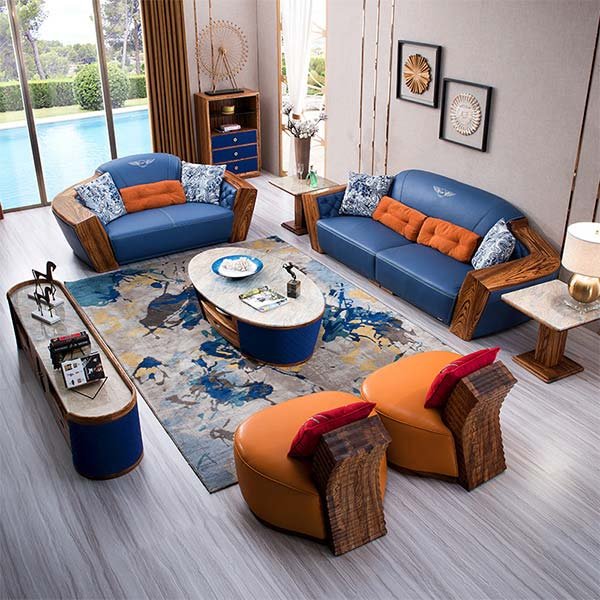
Once you have positioned the sectional sofa in your long living room, consider adding additional furniture and accessories to enhance the overall look and feel of the space. Incorporate a mix of accent chairs, coffee tables, and rugs to create a cohesive and inviting seating area. Use throw pillows and blankets to add pops of color and texture, and consider incorporating lighting fixtures and artwork to create a warm and inviting ambiance.
In conclusion, utilizing a sectional sofa is a practical and stylish way to arrange furniture in a long living room. By carefully considering the layout of the space, the orientation of the sofa, and the overall design of the room, you can create a comfortable and functional seating area that maximizes both style and comfort. With the right placement and accessories, a sectional sofa can transform your long living room into a cozy and inviting space for relaxing and entertaining.
Creating Multiple Seating Areas
When it comes to arranging furniture in a long living room, creating multiple seating areas can help maximize the space and make it feel more inviting and functional. By strategically placing furniture in different areas of the room, you can create distinct zones for lounging, entertaining, and relaxing. Here are some tips on how to create multiple seating areas in a long living room.
One of the first things to consider when creating multiple seating areas is the layout of the room. Start by identifying the focal point of the room, such as a fireplace, TV, or large window. This will help you determine where to place the main seating area. Once you have established the focal point, you can then begin to create additional seating areas around it.
To create a cohesive look in a long living room, consider using furniture that complements each other in terms of style, color, and scale. For example, if you have a large sectional sofa as the main seating area, you can add a pair of matching armchairs or a loveseat in a coordinating color to create a secondary seating area. This will help tie the different seating areas together and create a sense of unity in the room.
When arranging furniture in a long living room, it’s important to leave enough space between each seating area to allow for easy traffic flow. Avoid placing furniture too close together, as this can make the room feel cramped and cluttered. Instead, aim to create a balance between the different seating areas by leaving enough space for people to move around comfortably.
In addition to creating multiple seating areas, consider incorporating different types of seating options to cater to different activities and preferences. For example, you can add a cozy reading nook with a comfortable armchair and a floor lamp for those who enjoy reading or relaxing with a book. You can also create a conversation area with a pair of sofas facing each other to encourage socializing and interaction.
To make the most of a long living room, consider using furniture to define the different seating areas. For example, you can use a rug to anchor the main seating area and create a visual boundary between the different zones. You can also use a console table or a bookshelf to separate the seating areas and add storage or display space.
When arranging furniture in a long living room, don’t be afraid to experiment with different layouts and configurations. Try moving furniture around until you find a setup that works best for your space and lifestyle. Remember that creating multiple seating areas is not only about maximizing the space but also about creating a comfortable and inviting environment for you and your guests to enjoy.
In conclusion, creating multiple seating areas in a long living room can help maximize the space and make it more functional and inviting. By strategically placing furniture in different areas of the room, you can create distinct zones for lounging, entertaining, and relaxing. Remember to consider the layout of the room, use cohesive furniture styles, leave enough space for traffic flow, incorporate different seating options, and define the different seating areas with furniture. With these tips in mind, you can create a well-designed and comfortable living room that meets your needs and preferences.
Incorporating a Rug to Define Spaces
Placing furniture in a long living room can be a challenging task. The elongated shape of the room can make it difficult to create a cohesive and functional layout. One way to address this issue is by incorporating a rug to define different spaces within the room. A well-chosen rug can help anchor furniture groupings and create visual boundaries, making the room feel more balanced and inviting.
When selecting a rug for a long living room, it’s important to consider the size and shape of the space. A large rug that covers a significant portion of the floor can help unify the room and create a sense of cohesion. However, if the room is particularly long, you may want to consider using multiple rugs to define separate seating areas or zones.
In addition to size, the style and color of the rug should also be taken into account. A rug with a bold pattern or vibrant color can add visual interest to the room and serve as a focal point. On the other hand, a neutral or subtle rug can help create a sense of calm and balance in the space. Consider the existing color scheme and decor of the room when choosing a rug to ensure that it complements the overall design aesthetic.
Once you have selected a rug, it’s time to determine where to place it within the room. One common approach is to position the rug under the main seating area, such as a sofa and coffee table. This helps anchor the furniture grouping and create a defined space for conversation and relaxation. If the room is particularly long, you may want to consider placing additional rugs under secondary seating areas or accent pieces to create distinct zones within the room.
When arranging furniture around a rug, it’s important to ensure that the pieces are properly scaled and proportioned. For example, a large sofa should be centered on the rug with enough space for additional seating or accent furniture around it. Avoid placing furniture half on and half off the rug, as this can create a disjointed and cluttered look.
Incorporating a rug into a long living room layout can help create a sense of balance and harmony in the space. By choosing the right size, style, and placement for the rug, you can define different areas within the room and create a cohesive design that is both functional and visually appealing. Experiment with different rug placements and arrangements to find the perfect layout for your long living room. With a little creativity and attention to detail, you can transform your space into a stylish and inviting retreat for family and friends.
Conclusion
When placing furniture in a long living room, it is important to create separate zones for different activities, such as seating areas, a dining area, and a workspace. Use rugs, lighting, and furniture arrangement to define these zones and create a cohesive flow throughout the room. Consider the scale of the furniture in relation to the size of the room, and avoid blocking any natural pathways. Experiment with different layouts until you find one that maximizes the space and functionality of the room.