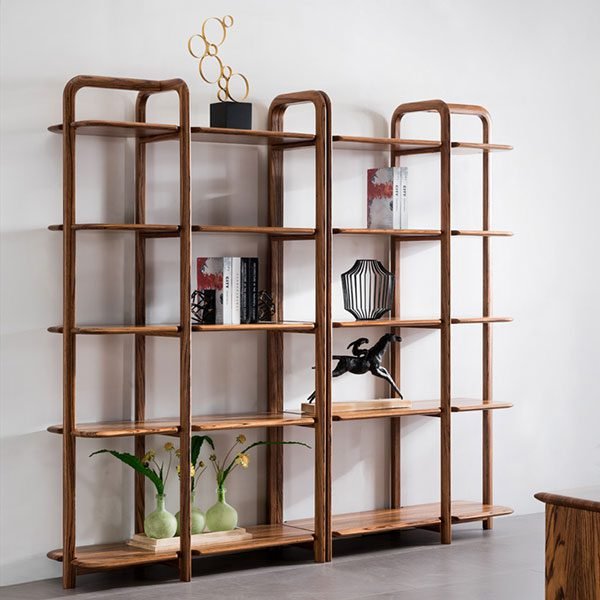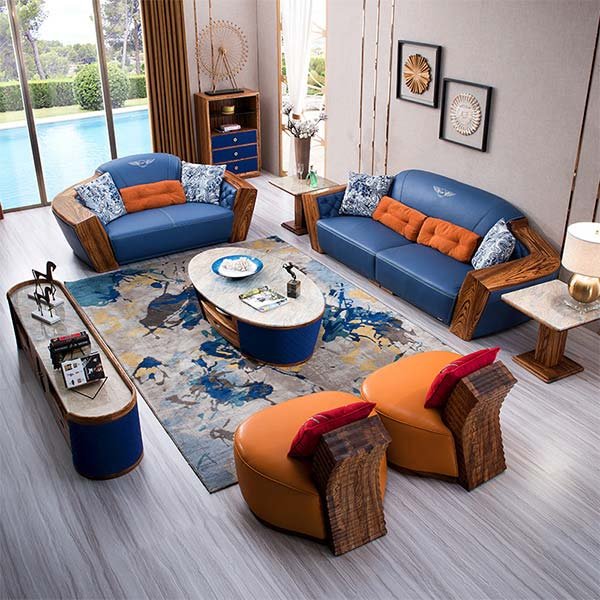
“Mix and match your way to a stylish living room oasis.”
Choosing a Color Scheme for Your Living Room Furniture
When it comes to decorating your living room, one of the most important aspects to consider is the furniture. The furniture you choose can set the tone for the entire room and can make a big impact on the overall look and feel of the space. One way to create a cohesive and stylish look in your living room is to mix and match different pieces of furniture. This can add visual interest and personality to the room, while also allowing you to showcase your personal style.
One of the first things to consider when mixing and matching furniture in your living room is the color scheme. Choosing a color scheme for your furniture can help tie the room together and create a harmonious look. One approach is to stick to a monochromatic color scheme, using different shades of the same color throughout the room. This can create a sophisticated and cohesive look, while still allowing you to mix and match different pieces of furniture.
Another option is to choose a complementary color scheme, using colors that are opposite each other on the color wheel. This can create a bold and dynamic look in your living room, while still allowing you to mix and match different pieces of furniture. For example, you could pair a blue sofa with a yellow armchair, or a green coffee table with a purple rug.
If you prefer a more eclectic look, you can also mix and match different patterns and textures in your living room furniture. This can add visual interest and personality to the room, while still creating a cohesive look. For example, you could pair a floral print sofa with a striped armchair, or a leather ottoman with a velvet accent chair.
When mixing and matching furniture in your living room, it’s important to consider the scale and proportion of the pieces. Make sure that the furniture you choose is the right size for the room, and that it fits well with the other pieces in the space. You should also consider the style of the furniture, and make sure that it complements the overall aesthetic of the room.
In addition to choosing a color scheme for your living room furniture, you should also consider the layout of the room. Think about how you want to arrange the furniture, and make sure that it allows for easy traffic flow and conversation. You should also consider the function of the room, and make sure that the furniture you choose meets your needs.
Overall, mixing and matching furniture in your living room can be a fun and creative way to decorate your space. By choosing a color scheme that ties the room together, and considering the scale, proportion, and layout of the furniture, you can create a stylish and cohesive look that reflects your personal style. So go ahead and experiment with different pieces of furniture, and create a living room that is uniquely yours.
Mixing Different Styles of Furniture for a Cohesive Look
When it comes to decorating your living room, mixing and matching furniture styles can create a unique and cohesive look that reflects your personal style. While it may seem daunting to combine different pieces, with a few key tips and tricks, you can easily achieve a harmonious and stylish space.
One of the first things to consider when mixing furniture styles is to choose a unifying element. This could be a color palette, a material, or a design style. By selecting a common thread that ties all the pieces together, you can create a cohesive look that feels intentional and thoughtfully curated.
For example, if you have a mix of modern and traditional furniture, you could choose a neutral color palette that complements both styles. This could include shades of white, beige, or gray that allow the different pieces to blend seamlessly together. Additionally, incorporating a common material such as wood or metal can help tie the room together and create a sense of unity.
Another key tip for mixing furniture styles is to vary the scale and proportion of the pieces in the room. By mixing larger statement pieces with smaller accent pieces, you can create visual interest and balance in the space. For example, pairing a large sectional sofa with a set of smaller armchairs can create a dynamic and inviting seating area that feels well-balanced.
In addition to varying scale and proportion, mixing furniture styles also involves playing with different textures and finishes. By incorporating a mix of materials such as leather, velvet, wood, and metal, you can add depth and dimension to the room. This can help create a visually interesting space that feels layered and inviting.
When mixing furniture styles, it’s important to pay attention to the overall flow and layout of the room. Consider the traffic flow and how people will move through the space, as well as the function of each piece of furniture. Make sure that there is enough space for people to move comfortably around the room and that each piece serves a purpose and contributes to the overall design.
Lastly, don’t be afraid to experiment and have fun with mixing furniture styles. Mixing different pieces can add personality and character to your living room, so don’t be afraid to take risks and try new combinations. Play around with different arrangements and configurations until you find a layout that feels right for you.
In conclusion, mixing and matching furniture styles in your living room can create a unique and cohesive look that reflects your personal style. By choosing a unifying element, varying scale and proportion, playing with textures and finishes, paying attention to layout and flow, and experimenting with different combinations, you can create a stylish and inviting space that feels curated and intentional. So go ahead and mix it up – your living room will thank you for it.
Incorporating Textures and Patterns in Your Furniture Arrangement
When it comes to decorating your living room, mixing and matching furniture can create a dynamic and visually interesting space. One way to achieve this is by incorporating different textures and patterns into your furniture arrangement. By carefully selecting pieces that complement each other, you can create a cohesive and stylish look that reflects your personal style.
When mixing textures in your living room furniture, it’s important to consider the overall feel you want to achieve. For example, if you’re going for a cozy and inviting look, consider incorporating plush fabrics like velvet or chenille. These textures add warmth and softness to the space, making it feel more comfortable and inviting. On the other hand, if you prefer a more modern and sleek aesthetic, opt for smooth and sleek materials like leather or metal. These textures create a clean and polished look that is perfect for a contemporary living room.
In addition to textures, patterns can also play a key role in mixing and matching furniture in your living room. When incorporating patterns, it’s important to strike a balance between bold and subtle designs. Too many bold patterns can overwhelm the space, while too many subtle patterns can make the room feel bland and uninspired. Instead, mix and match patterns of different scales and styles to create visual interest without overwhelming the space.
One way to incorporate patterns into your furniture arrangement is by selecting a statement piece with a bold pattern, such as a patterned sofa or accent chair. Pair this piece with more subtle patterns, like a geometric rug or striped throw pillows, to create a cohesive and harmonious look. Mixing patterns in this way adds depth and dimension to the space, making it feel more visually appealing.
Another way to mix and match furniture in your living room is by playing with different colors. When selecting furniture pieces, consider the color palette of the room and choose pieces that complement or contrast with the existing colors. For example, if your living room has a neutral color scheme, consider adding a pop of color with a brightly colored sofa or accent chair. This unexpected touch of color can liven up the space and create a focal point in the room.
When mixing and matching furniture in your living room, it’s important to pay attention to scale and proportion. Make sure that the pieces you select are appropriately sized for the space and that they work well together in terms of height and width. Avoid overcrowding the room with too many large pieces, as this can make the space feel cramped and cluttered. Instead, opt for a mix of larger and smaller pieces that create a balanced and harmonious look.
In conclusion, mixing and matching furniture in your living room can create a stylish and personalized space that reflects your unique taste and personality. By incorporating different textures, patterns, and colors into your furniture arrangement, you can create a dynamic and visually interesting look that is both functional and beautiful. Pay attention to scale and proportion, and don’t be afraid to experiment with different combinations until you find the perfect mix for your living room. With a little creativity and imagination, you can create a space that is truly one-of-a-kind.
Conclusion
When mixing and matching furniture in a living room, consider the style, scale, color, and texture of each piece to create a cohesive and visually appealing space. Experiment with different combinations and don’t be afraid to mix different styles for a unique look. Remember to balance the room with a variety of furniture pieces and accessories to create a harmonious and inviting atmosphere.