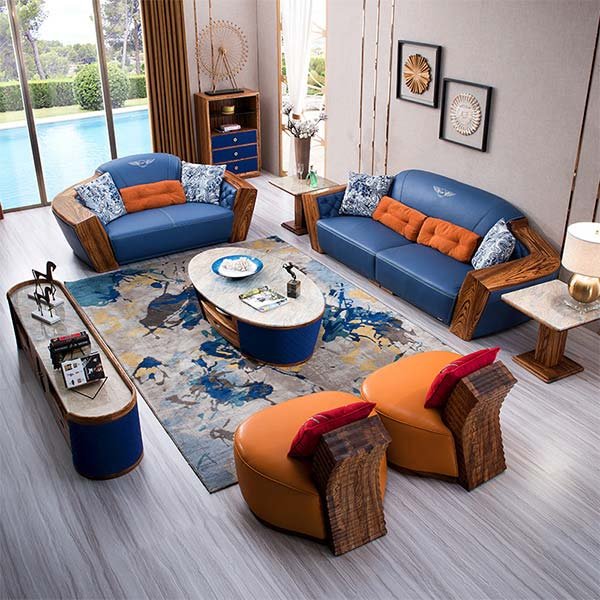
“Harmonize your home with perfectly matched living room furniture colors.”
Selecting a Color Scheme for Your Living Room Furniture
Selecting a color scheme for your living room furniture can be a daunting task. With so many options available, it can be overwhelming to decide on the perfect combination that will create a cohesive and visually appealing space. However, with a few key tips and tricks, you can easily match living room furniture colors to create a harmonious and inviting atmosphere.
One of the first things to consider when selecting a color scheme for your living room furniture is the overall style and aesthetic you want to achieve. Are you going for a modern and sleek look, or do you prefer a more traditional and cozy feel? Once you have a clear vision of the style you want to create, you can begin to narrow down your color options.
When choosing colors for your living room furniture, it’s important to consider the size and layout of the room. If you have a small space, opting for lighter colors can help make the room feel more open and spacious. On the other hand, if you have a larger room, you can experiment with darker colors to create a more intimate and cozy atmosphere.
Another important factor to consider when selecting a color scheme for your living room furniture is the existing colors in the room. Take note of the wall color, flooring, and any other decor elements that are already in place. By choosing furniture colors that complement these existing elements, you can create a cohesive and well-coordinated space.
When it comes to matching living room furniture colors, one popular approach is to stick to a monochromatic color scheme. This involves using varying shades of the same color throughout the room to create a sense of harmony and unity. For example, you could opt for a range of blues, from light sky blue to deep navy, to create a calming and cohesive look.
If you prefer a more dynamic and visually interesting color scheme, you can also experiment with complementary colors. Complementary colors are those that are opposite each other on the color wheel, such as blue and orange or red and green. By pairing these colors together in your living room furniture, you can create a bold and eye-catching look that is sure to make a statement.
In addition to considering the color of your living room furniture, don’t forget to think about the texture and finish of the pieces as well. Mixing different textures, such as smooth leather and plush velvet, can add depth and visual interest to the room. Similarly, combining matte and glossy finishes can create a dynamic and modern look.
When it comes to selecting a color scheme for your living room furniture, don’t be afraid to get creative and think outside the box. Experiment with different color combinations, textures, and finishes to find the perfect look that reflects your personal style and taste. By following these tips and tricks, you can easily match living room furniture colors to create a space that is both stylish and inviting.
Tips for Mixing and Matching Furniture Colors in Your Living Room
When it comes to decorating your living room, one of the most important aspects to consider is the color scheme. The colors you choose for your furniture can have a significant impact on the overall look and feel of the space. Mixing and matching furniture colors can be a daunting task, but with a few tips and tricks, you can create a cohesive and stylish look that reflects your personal style.
One of the first things to consider when choosing furniture colors for your living room is the overall color palette of the room. Start by selecting a primary color that will serve as the foundation for the rest of the room. This could be a neutral color like white, beige, or gray, or a bold color like navy blue or emerald green. Once you have chosen your primary color, you can then begin to select complementary colors that will help tie the room together.
When mixing and matching furniture colors, it’s important to consider the size and scale of the pieces you are working with. If you have a large sofa in a bold color, you may want to balance it out with smaller accent chairs in a more neutral shade. Similarly, if you have a small coffee table in a dark wood finish, you may want to pair it with a larger, lighter-colored rug to create contrast and balance in the room.
Another important factor to consider when mixing and matching furniture colors is the style of the pieces you are working with. If you have a modern sofa in a sleek, minimalist design, you may want to pair it with other modern pieces in complementary colors. On the other hand, if you have a more traditional sofa with ornate detailing, you may want to choose furniture in similar styles and colors to create a cohesive look.
When mixing and matching furniture colors, it’s also important to consider the texture of the pieces you are working with. Mixing different textures can add depth and visual interest to the room, so don’t be afraid to mix and match materials like leather, velvet, and wood. Just be sure to choose pieces that complement each other and create a harmonious look.
One of the easiest ways to mix and match furniture colors in your living room is to use a color wheel as a guide. The color wheel can help you identify complementary colors that work well together, as well as analogous colors that create a harmonious look. By using the color wheel as a reference, you can easily create a cohesive color scheme that ties the room together.
In conclusion, mixing and matching furniture colors in your living room can be a fun and creative process. By considering factors like the overall color palette, size and scale of the pieces, style, texture, and using a color wheel as a guide, you can create a cohesive and stylish look that reflects your personal style. So don’t be afraid to experiment with different colors and textures, and have fun creating a living room that is both beautiful and functional.
Incorporating Accent Colors into Your Living Room Furniture Palette
When it comes to decorating your living room, one of the most important aspects to consider is the color scheme. The colors you choose for your furniture can have a significant impact on the overall look and feel of the space. Matching living room furniture colors can be a daunting task, but with a few key tips and tricks, you can create a cohesive and stylish look that ties the room together.
One way to approach matching living room furniture colors is to start with a neutral base. Neutral colors such as white, beige, gray, or taupe can serve as a versatile backdrop for your furniture pieces. These neutral tones can help create a sense of balance and harmony in the room, allowing you to experiment with different accent colors without overwhelming the space.
Once you have established a neutral base, you can begin to incorporate accent colors into your living room furniture palette. Accent colors are bold, vibrant hues that can add personality and flair to your space. When choosing accent colors, consider the overall mood and style you want to achieve in your living room. For a modern and sophisticated look, opt for cool tones such as blues, greens, or purples. If you prefer a more cozy and inviting atmosphere, warm tones like reds, oranges, or yellows can create a welcoming feel.
When selecting accent colors for your living room furniture, it’s important to consider the existing color scheme of the room. Look for colors that complement or contrast with the neutral tones in your space. For example, if you have a beige sofa, consider adding throw pillows in a bold navy blue or emerald green to create a striking contrast. Alternatively, you can choose accent colors that are within the same color family as your neutral base to create a more cohesive and harmonious look.
In addition to throw pillows, you can also incorporate accent colors through other decorative elements such as rugs, curtains, artwork, or accessories. These small touches can help tie the room together and create a cohesive color palette. When selecting these accent pieces, be mindful of the proportion and placement of color in the room. Too much of one color can overwhelm the space, while too little can make the room feel disjointed.
Another important consideration when matching living room furniture colors is the size and scale of your furniture pieces. Large, bulky furniture can dominate a room and make it feel cramped, while smaller pieces can get lost in a large space. To create a balanced look, mix and match furniture pieces of varying sizes and shapes. For example, pair a large sectional sofa with a sleek armchair and a coffee table to create visual interest and depth in the room.
In conclusion, matching living room furniture colors is a key aspect of creating a cohesive and stylish space. By starting with a neutral base and incorporating accent colors strategically, you can create a harmonious color palette that ties the room together. Remember to consider the existing color scheme of the room, the size and scale of your furniture pieces, and the overall mood and style you want to achieve. With these tips in mind, you can create a living room that is both functional and visually appealing.
Conclusion
When matching living room furniture colors, consider the overall color scheme of the room, the style of the furniture, and the mood you want to create. Choose a dominant color and complement it with accent colors for a cohesive look. Experiment with different shades and textures to add depth and visual interest to the space. Remember to balance bold colors with neutral tones to create a harmonious and inviting atmosphere.